

Emergency Irritation Plan for Black Men: Practical Grooming Guide
Shaving irritation can hit hard and fast—burning, itching, bumps, and dark marks that seem to show up overnight. For Black men with coarse, curly facial hair, this isn’t just a minor inconvenience. Razor bumps, ingrown hairs, and post-shave irritation are common, persistent, and can be a real threat to your skin’s comfort and appearance. When irritation flares up, you need a plan that’s grounded in what actually works for our skin and hair—not hype, not empty promises, and definitely not harsh DIY fixes.
This emergency irritation plan for Black men practical grooming guide is here for those moments when you’re facing sudden redness, burning, or new bumps after shaving. Maybe you switched razors, rushed your routine, or just had a bad day with the blade. Whatever the reason, the goal is to calm things down, protect your skin barrier, and keep bumps and marks from getting worse. This isn’t about a miracle cure or quick fix, but about practical steps rooted in dermatology, cultural awareness, and real-world results.
We’re not here to shame, blame, or stereotype. If your skin is acting up, you deserve clear, direct guidance—especially when so much generic advice ignores the realities of Black men’s grooming. This guide focuses on what you can do right now, how to prevent future flare-ups, and when it’s time to call in a professional. You’ll find product criteria, troubleshooting tips, and links to deeper guides on razor bumps, ingrown hairs, and shaving systems built for our needs.
Let’s get into the practical steps that can help you recover from shaving irritation and protect your skin for the long run.
Routine Scenarios and Decision Checks
Before Work: Setting Up for Success
The morning before work is often when grooming decisions feel most urgent. If you wake up with irritation, bumps, or unexpected redness, the instinct may be to fix everything at once. Instead, pause. Assess your skin in good light—look for raised areas, inflamed patches, or dry spots. If irritation is present, resist the urge to shave over it. Instead, cleanse gently with lukewarm water and a mild, fragrance-free cleanser. Pat your face dry with a clean towel, and apply a lightweight, non-comedogenic moisturizer.
If your skin feels mostly calm but you need to look sharp, consider trimming instead of a full shave. Use clippers or a guarded trimmer to even out your beard or stubble without direct blade contact. This approach minimizes further trauma and keeps your appearance neat. Remember, a well-groomed beard or even stubble is professional—don’t chase a razor-close shave if your skin is signaling distress.
Before a Barber Visit: Preparation and Communication
Heading to the barber with irritated skin requires a different mindset. First, avoid shaving or aggressive exfoliation the night before or the morning of your appointment. Let your barber see your natural hair growth and any areas of concern. When you arrive, communicate openly about your skin’s condition. A skilled barber will adjust techniques—using guards, changing blade angles, or skipping certain treatments—to protect your skin.
If you’ve recently had a breakout or irritation, ask for a low-manipulation cut or line-up. Avoid requesting razor-sharp edges or hot towel shaves on inflamed areas. If your budget or schedule means you can’t visit as often, discuss lower-maintenance styles that work with your natural growth and minimize the need for frequent close shaves.
After Irritation: Immediate and Ongoing Steps
When irritation strikes—whether from shaving, trimming, or an unexpected reaction—your first move is to stop any further grooming in the affected area. Wash your face with cool water and a gentle cleanser, then apply a soothing, alcohol-free moisturizer. Avoid aftershaves with alcohol or strong fragrances, as these can worsen inflammation.
For the next several days, pause shaving or trimming on the irritated area. Monitor your skin’s response: is redness fading? Are bumps subsiding? If things are improving, continue gentle cleansing and moisturizing. If irritation persists, worsens, or becomes painful, it’s time to consider professional advice. Don’t try to “shave away” bumps or exfoliate aggressively—this often leads to more damage.
Schedule or Budget Changes: Adjusting Your Routine
Life changes—new job hours, travel, or tighter budgets—can disrupt your grooming habits. When time or money is limited, prioritize the basics: cleansing, moisturizing, and gentle trimming. If you can’t visit the barber as often, invest extra care in at-home maintenance. Use clippers with guards to keep your beard or hair even, and avoid pushing for ultra-close shaves.
Simplify your product lineup. Stick to essentials that work for your skin, and avoid experimenting with new products during stressful periods. If you’re pressed for time, a quick rinse and a dab of moisturizer can keep your skin healthy until you can resume your full routine. Remember, consistency with the basics is more effective than sporadic, intensive efforts.
Deciding Whether to Shave, Trim, Pause, or Change Tactics
Every grooming session is an opportunity to check in with your skin. Before picking up a razor or trimmer, ask yourself: How does my skin feel today? Are there any new bumps, patches of dryness, or tenderness? If you notice irritation, it’s wise to pause shaving or switch to a less aggressive method like trimming.
If your skin feels smooth and calm, proceed with your usual shave or trim, but stay disciplined about technique—use light pressure, sharp blades, and shave in the direction of hair growth. If you’re unsure, err on the side of caution. It’s better to skip a shave than to risk making irritation worse.
If you consistently experience irritation, consider changing your grooming routine. This might mean shaving less often, switching to electric clippers, or simplifying your product regimen. Track how your skin responds to each change, and give your skin time to adjust before making another switch.
How to Read Skin Feedback Without Panic
Skin sends signals—tightness, redness, bumps, or stinging—that guide your next move. The key is to respond thoughtfully, not reactively. If you notice mild redness or tightness, it’s a sign to dial back on shaving frequency, pressure, or product use. If you see bumps or ingrown hairs, pause shaving and switch to gentle cleansing and moisturizing.
Don’t panic if your skin flares up. Most irritation is temporary and responds well to rest and basic care. Avoid the temptation to “fix” things with harsh scrubs, alcohol-based toners, or multiple new products. Instead, give your skin a break and focus on hydration and protection.
If irritation doesn’t improve after a week of gentle care, or if you notice signs of infection (pus, spreading redness, pain), it’s time to seek professional help. Trust your skin’s feedback, but don’t let it drive you to extremes.
Keeping Grooming Intentional—Not Chasing the Closest Shave
A disciplined grooming routine is about intention, not perfection. The goal is healthy, comfortable skin and a look that fits your lifestyle—not a razor-close shave at any cost. For many Black men, chasing ultra-smooth skin can lead to chronic irritation, razor bumps, and frustration.
Instead, focus on techniques and habits that respect your skin’s unique needs. Use the minimum pressure necessary, shave or trim in the direction of hair growth, and avoid going over the same area multiple times. If you prefer a clean look, consider a close trim rather than a full shave.
Recognize that a slightly visible shadow or stubble is often healthier—and just as sharp—when your skin is calm. Prioritize consistency and discipline over chasing an ideal that doesn’t serve your skin’s health.
Scenario: You Wake Up with Unexpected Bumps
You glance in the mirror and see new bumps or irritation. First, don’t panic. Skip shaving that day. Cleanse your face gently and apply a soothing moisturizer. If you have to be presentable for work or an event, use clippers to even out your beard or stubble, avoiding direct contact with the bumps.
Monitor your skin over the next few days. If the bumps recede, gradually return to your normal routine. If not, continue to pause shaving and consider seeking advice if symptoms persist. Remember, giving your skin time to heal is the fastest route to recovery.
Scenario: Important Meeting, But Skin Feels Tender
You have an important meeting, but your skin feels sore or sensitive. Instead of reaching for the razor, opt for a tidy trim with clippers. Focus on shaping your beard or mustache and cleaning up your neckline. A well-groomed beard with healthy skin projects confidence and discipline.
Before the meeting, cleanse and moisturize your face. If you use any grooming products, ensure they’re gentle and fragrance-free. Avoid applying anything new or untested right before a big event. Your skin’s comfort is your best asset.
Scenario: Barber Appointment After a Breakout
You’re due for a barber visit, but you’ve just had a breakout or irritation. Let your barber know about your skin’s condition before the appointment. Ask for a cut that doesn’t require a close shave or sharp lines on inflamed areas. If your barber offers a hot towel treatment, request that it be skipped or modified to avoid aggravating your skin.
After your cut, continue gentle care at home. Cleanse with cool water, moisturize, and avoid further manipulation for a few days. If you notice any worsening, pause all grooming and monitor your skin’s response.
Scenario: Budget Tight, Can’t Visit Barber as Often
When finances are tight, home maintenance becomes crucial. Invest in a quality pair of clippers with adjustable guards. Trim your beard and hair regularly to keep your look sharp without the need for close shaves. Focus on keeping your hairline and beard edges neat, but don’t stress about perfection.
Stick to affordable, gentle products that work for your skin. Avoid experimenting with new treatments when money is tight—consistency with what you know works is most important. If you need to stretch out time between barber visits, communicate with your barber about styles that grow out well and require less upkeep.
Scenario: Travel or Schedule Disruptions
Travel, late nights, or a packed schedule can throw off your grooming routine. When time is short, prioritize the basics: cleanse, moisturize, and trim as needed. If you’re in a new environment, avoid using unfamiliar products or hotel soaps that may irritate your skin.
Pack travel-sized versions of your go-to products, and skip shaving if your skin feels off. A quick trim and clean-up can keep you looking polished without risking irritation. When you return to your routine, ease back in gradually, especially if your skin has been stressed by travel or changes in climate.
Scenario: Deciding to Seek Professional Help
Sometimes, despite your best efforts, irritation persists or worsens. If you notice signs of infection (such as pus, spreading redness, or pain), or if bumps don’t improve after a week of gentle care, it’s time to consult a professional. A dermatologist or experienced barber can assess your skin and recommend targeted solutions.
Seeking help is a sign of discipline and self-respect—not defeat. Early intervention can prevent minor issues from becoming chronic problems. Keep track of your symptoms and any products you’ve used, as this information will help your provider tailor their advice.
Building a Disciplined, Responsive Grooming Routine
The foundation of an effective Emergency Irritation Plan is discipline and responsiveness. Check your skin before every grooming session, and let its condition guide your choices. Don’t force a shave or aggressive treatment if your skin isn’t ready.
Keep your routine simple and consistent: gentle cleansing, light moisturizing, and careful trimming or shaving as needed. Adjust your approach based on real-time feedback, not habit or pressure to look a certain way. Over time, this disciplined approach leads to healthier skin, fewer emergencies, and a grooming routine that fits your life.
Summary: Practical Decision-Making for Everyday Scenarios
Everyday life brings new challenges—early meetings, budget shifts, travel, or unexpected irritation. The key is to approach each scenario with intention and discipline. Assess your skin honestly, adjust your routine as needed, and prioritize skin health over chasing a close shave.
By reading your skin’s feedback without panic, simplifying your approach, and seeking help when necessary, you build a grooming routine that’s resilient, practical, and tailored to your needs. This is the core of an effective Emergency Irritation Plan: staying grounded, responsive, and intentional in every decision you make.
Why This Matters for Black Men and Bump-Prone Shaving

Coarse, curly facial hair is a source of pride, but it also brings unique challenges. The natural curve of our hair means that, when cut short, it can easily curl back into the skin. This leads to razor bumps (pseudofolliculitis barbae), ingrown hairs, and a cycle of inflammation and dark marks. For Black men, these issues are common—not a sign of poor hygiene or bad habits, but a direct result of our hair and skin biology.
Shaving irritation isn’t just about discomfort. It can impact confidence, professional appearance, and even lead to scarring or long-term discoloration if not managed well. Many mainstream grooming tips don’t address these realities, and some products or methods can make things worse. That’s why a targeted, culturally-aware emergency irritation plan is essential.
Understanding what your skin needs—and what it doesn’t—can mean the difference between a minor flare-up and a long-term struggle with bumps and marks. Whether you shave daily, weekly, or just shape up your beard, knowing how to handle irritation quickly and safely is a key part of grooming for Black men.
What Usually Goes Wrong

Most shaving irritation for Black men starts with the hair and skin’s natural response to shaving. Here’s what typically triggers an emergency:
- Shaving too close: Multi-blade razors or aggressive techniques can cut hair below the skin’s surface, making it easier for curly hair to grow inward.
- Dry shaving or poor lubrication: Skipping prep or using harsh soaps leaves skin unprotected, increasing friction and risk of micro-cuts.
- Dull or dirty blades: Old razors tug at hair, cause uneven cuts, and introduce bacteria that can inflame bumps.
- Stretching the skin: Pulling skin tight during shaving can cause hairs to snap back under the surface.
- Multiple passes over the same area: Repeated strokes break down the skin barrier and increase irritation.
- Picking or digging at bumps: Trying to “fix” ingrowns with tweezers or fingernails often makes things worse, leading to infection or scarring.
- Alcohol-heavy aftershaves: These dry out and sting the skin, especially after a rough shave.
These mistakes are common because most mainstream shaving advice isn’t built for coarse, curly hair or rich brown skin. The result? Burning, itching, new bumps, and sometimes dark marks that linger long after the irritation fades.
What to Do Instead: Step-by-Step Emergency Irritation Plan

When irritation hits, the goal is to calm inflammation, protect the skin barrier, and avoid making things worse. Here’s a practical, step-by-step emergency irritation plan for Black men:
-
Pause all shaving and harsh grooming.
Give your skin a break. Don’t shave, trim, or pick at bumps for at least a few days. Letting the skin rest is the fastest way to stop the irritation cycle. If you must maintain a professional look, use a guarded trimmer set to leave visible stubble, never bare skin.
-
Cleanse gently, twice daily.
As an affiliate site, GFBM may earn from qualifying purchases through product links.
Use a gentle facial cleanser for men—fragrance-free, non-stripping, and not a harsh scrub. Avoid bar soaps or anything that leaves your skin tight or dry. Massage in with fingertips, rinse with lukewarm water, and pat dry with a clean towel.
-
Apply a cool compress if burning or swelling is present.
Soak a clean washcloth in cool (not icy) water, wring it out, and press gently to the irritated area for a few minutes. Repeat as needed to reduce heat and swelling. This can help calm inflammation without shocking the skin.
-
Moisturize with a fragrance-free, non-comedogenic product.
Look for a fragrance-free moisturizer that’s made for sensitive skin. This helps repair the skin barrier and reduces dryness that can worsen irritation. Apply after cleansing and after using a cool compress.
-
Use an alcohol-free aftershave balm if needed.
If you want extra soothing, apply a small amount of alcohol free aftershave balm. Choose one without fragrance or menthol, and avoid anything that stings. This step is optional—if your skin feels better with just moisturizer, skip the balm.
-
Leave bumps alone—no digging or picking.
Trying to “pop” or dig out ingrown hairs almost always makes things worse. Let the skin calm down first. If a bump is painful, swollen, or looks infected, see a dermatologist or qualified clinician. Avoid tweezers, needles, or any sharp objects.
-
Once irritation calms, review your shaving system.
Before you shave again, check your tools and technique. Consider switching to guarded trimmers, single-blade razors, or less frequent shaving if you’re prone to flare-ups. See our razor bump prevention guide for a full system reset. If you’re unsure where to start, our sensitive skin shaving guide breaks down options for different needs.
GFBM may earn a small commission from qualifying purchases, but product examples are included to clarify criteria, not to promise results.
Product and Tool Criteria for Emergency Recovery
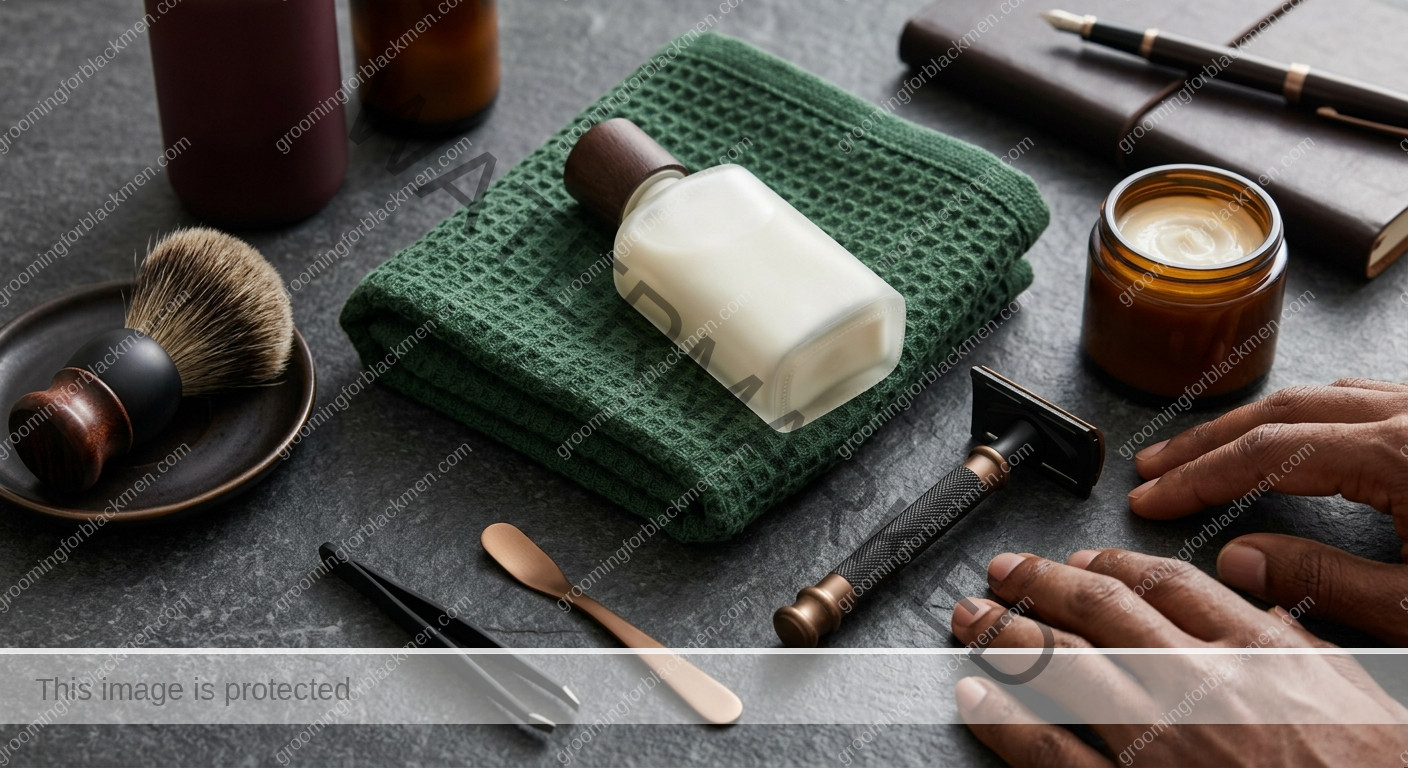
When irritation is active, less is more. Choose products and tools that support healing, not harsh “fixes.” Here’s what to look for:
- Cleanser: Gentle, fragrance-free, non-stripping. No scrubs, no microbeads, no harsh astringents.
- Moisturizer: Fragrance-free, non-comedogenic, lightweight but hydrating. Avoid heavy oils or anything that leaves a greasy film.
- Aftershave balm: Alcohol-free, fragrance-free, soothing ingredients like aloe or allantoin. No menthol, no “cooling” chemicals.
- Blades and trimmers: When you return to shaving, use a sharp, clean blade or a guarded trimmer. Avoid multi-blade razors if you’re bump-prone. See our electric shavers guide for safe alternatives.
- Towels and washcloths: Always clean, soft, and used only for your face. Launder frequently to avoid bacteria buildup.
For product examples, see:
- Gentle facial cleanser for men
- Fragrance free moisturizer
- Alcohol free aftershave balm
When evaluating products, prioritize:
- Short, simple ingredient lists
- No added fragrance or dyes
- Packaging that keeps products clean (pump bottles over jars)
- Dermatologist-tested or labeled for sensitive skin
If you’re unsure about a product, patch test on a small area first. If burning, stinging, or redness increases, stop use immediately.
Routine Logic and Decision Criteria
Every face is different, but the logic behind this emergency plan is universal for Black men with coarse, curly hair. Here’s how to make the right call at each step:
- Is your skin hot, red, or burning? Prioritize cool compresses and gentle cleansing. Skip all actives (like exfoliants or acne treatments) until calm.
- Are bumps forming or getting worse? Don’t shave or trim until the area is calm. Moisturize and protect the barrier. If bumps are painful or filled with pus, get professional help.
- Is dryness or flaking an issue? Layer on a non-comedogenic moisturizer. Avoid heavy oils, which can trap heat and worsen bumps.
- Do you need to look presentable for work? Use a guarded trimmer to maintain a neat line, but never shave down to the skin during a flare-up.
- Are marks starting to form? Protect from sun exposure, moisturize, and avoid picking. See our razor bumps and dark marks guide for safe fading strategies.
Consistency is more important than intensity. Stick with the basics until your skin recovers, then gradually reintroduce your regular routine—one product or tool at a time.
Troubleshooting and When to Get Help

Most mild shaving irritation will calm down with rest, gentle cleansing, and moisturizer. But there are times when you need to step up your response:
- Painful, swollen, or pus-filled bumps: These may be infected. Don’t try to drain or dig them out. See a dermatologist or qualified clinician for safe treatment.
- Spreading redness or warmth: If irritation is spreading or you notice fever, seek medical attention. This could be a sign of a deeper infection.
- Scarring or persistent dark marks: If marks aren’t fading after a few weeks of gentle care, a professional can recommend options for fading hyperpigmentation safely.
- Chronic, recurring bumps: If you’re stuck in a cycle of constant irritation, it’s time to review your shaving system or consider a switch to trimming or other approaches. See our ingrown hair treatment guide and trimmer routine guide for alternatives.
Never use harsh chemicals, home remedies, or aggressive scrubs on irritated skin. These can worsen inflammation, cause burns, or leave permanent marks. When in doubt, less is more—and professional help is always better than risky DIY fixes.
Practical Examples: Real-World Scenarios
Scenario 1: You shaved in a rush before work and now have burning and bumps along your jawline.
What to do: Pause all shaving. Cleanse gently and apply a cool compress. Moisturize and avoid touching the bumps. Wait until the area is fully calm before considering another shave—ideally with a single-blade razor or guarded trimmer.
Scenario 2: You tried a new aftershave and your skin is stinging and red.
What to do: Rinse your face with cool water, stop using the product, and switch to a fragrance-free moisturizer. If the reaction persists, seek professional advice.
Scenario 3: You have a big event coming up, but your skin is irritated and bumpy.
What to do: Resist the urge to shave closer. Use a trimmer to even out your beard, moisturize, and focus on calming the skin. A healthy, even skin tone is more impressive than a close shave marred by bumps and marks.
For more in-depth troubleshooting, see our neck bumps guide and map your grain guide.
Frequently Asked Questions
How long should I wait before shaving again after irritation?
Wait until all redness, burning, and bumps have fully calmed—usually several days to a week. Rushing back in can restart the irritation cycle. Use this downtime to review your shaving tools and routine.
Can I use a beard trimmer instead of shaving while my skin heals?
Yes, a guarded beard trimmer set to leave a short stubble can be a safer option for many Black men. It avoids cutting hair below the skin’s surface, reducing the risk of new ingrowns and bumps.
What ingredients should I avoid in aftershave and moisturizer?
Avoid alcohol, menthol, fragrance, and heavy oils. These can sting, dry out, or clog the skin, making irritation worse. Look for products labeled “fragrance-free” and “for sensitive skin.”
Is it safe to exfoliate when I have active shaving irritation?
No. Exfoliation—whether physical or chemical—should be avoided until the skin has fully healed. Once irritation is gone, gentle exfoliation may help prevent future ingrowns, but only if your skin tolerates it.
How can I prevent dark marks from forming after a flare-up?
Keep skin moisturized, avoid picking or digging at bumps, and protect your skin from sun exposure. If marks develop, see our razor bumps and dark marks guide for safe fading options.
When should I see a dermatologist about shaving irritation?
If you have painful, swollen, or infected bumps, spreading redness, or persistent marks that don’t improve with gentle care, see a dermatologist or qualified clinician. They can offer safe, effective treatments and help you build a long-term plan.
Are there shaving methods less likely to cause irritation for Black men?
Yes. Many men do better with single-blade safety razors, guarded electric shavers, or trimming instead of close shaving. Mapping your grain and shaving with the grain also helps. See our map your grain guide and electric shavers guide for more options.
What to Do Next
Shaving irritation doesn’t have to be a permanent struggle. The key is to respect your skin, use the right products, and avoid harsh fixes that promise too much. If you’re dealing with frequent flare-ups, take a step back and review your full routine—from blade choice to aftercare. Our Razor Bumps, Ingrown Hairs & Shaving Systems pillar has in-depth guides on prevention, treatment, and building a system that works for you.
For more targeted advice, check out:
- Razor bump prevention guide
- Sensitive skin shaving guide
- Neck bumps guide
- More on emergency irritation plans
Stay patient, stay consistent, and remember—your skin deserves respect and real care, not shortcuts or shame. If you ever feel stuck, reach out to a qualified clinician who understands the realities of grooming for Black men. Your comfort and confidence are worth it.