
Aftershave Criteria for Black Men: Practical Grooming Guide
Shaving should be a routine, not a risk. But for many Black men—especially those with coarse, curly facial hair—shaving is a minefield of razor bumps, ingrown hairs, irritation, and dark marks. The right aftershave is not about fragrance or burn; it’s about skin health, comfort, and respecting your unique grooming needs. This guide breaks down aftershave criteria for Black men with a grounded, practical approach—no hype, no miracle claims, just what works, what doesn’t, and how to make smart choices for your skin.
Whether you’re dealing with razor bumps, shaving irritation, or the aftermath of ingrown hairs, your aftershave should help—not hurt. Too many products on the market are made for straight-haired, lighter-skinned men who don’t face the same challenges. That’s why Grooming For Black Men exists: to cut through the noise and give you real, actionable advice tailored to your experience.
This guide covers why aftershave matters for Black men, what usually goes wrong, what to do instead, specific product criteria, troubleshooting, and when to get help. You’ll also find answers to the most common questions about aftershave and post-shave care for bump-prone skin.
Routine Scenarios and Decision Checks
Before Work: Setting Up for a Confident Day
Starting your day with a clean shave or a well-groomed beard can be a powerful confidence boost. For Black men, the morning routine is not just about appearance—it’s about protecting your skin from irritation and bumps throughout the day. Before you reach for your razor or trimmer, take a moment to assess your skin’s current state. Is there any redness, tightness, or leftover irritation from your last shave? If so, consider trimming instead of shaving, or simply washing and moisturizing to give your skin a break.
If you choose to shave before work, prioritize gentle, hydrating aftershave products. Alcohol-heavy splashes can dry out or sting skin, especially if you’re prone to razor bumps or ingrown hairs. Instead, look for aftershaves with soothing ingredients like aloe, witch hazel, or allantoin. Apply with clean hands, using light pressure, and allow the product to absorb fully before layering on any other grooming products or fragrances.
Before a Barber Visit: Preparing for Professional Hands
Heading to the barber is a chance to reset your grooming routine, but preparation matters. Avoid shaving or trimming right before your appointment. Freshly shaved skin is more vulnerable to irritation, and your barber will appreciate having some hair growth to work with for a cleaner, more even line-up.
Instead, focus on cleansing your face and neck thoroughly before your visit. This removes oils and debris, making it easier for your barber to assess your skin and hair. If you’ve experienced irritation or bumps from previous visits, mention it to your barber. A skilled professional will adjust their technique and recommend aftershave options that suit your skin type. After your cut, ask about the aftershave products they use—barbers often have access to premium, skin-calming formulas that you can incorporate into your home routine.
After Irritation: Responding with Care, Not Panic
Irritation, razor bumps, or ingrown hairs can happen even with the best technique. The key is to respond thoughtfully, not react impulsively. First, pause your shaving routine for a few days. Give your skin time to heal by cleansing gently and applying a fragrance-free, calming aftershave balm. Avoid picking, scratching, or applying harsh exfoliants.
During this downtime, evaluate your aftershave criteria. Are you using a product that contains alcohol or strong fragrances? These can exacerbate irritation, especially for Black men with curly or coarse hair. Switch to a milder formula with ingredients like chamomile, calendula, or panthenol. If the irritation persists or worsens, consider consulting a dermatologist, especially if you’re prone to keloids or severe ingrowns. Sometimes, a simple change in your aftershave or shaving technique can make all the difference.
When Your Schedule or Budget Changes: Adapting Without Sacrifice
Life gets busy, and budgets fluctuate. The good news is, effective aftershave care doesn’t have to be expensive or time-consuming. If you find yourself pressed for time in the mornings, simplify your routine. Focus on the essentials: a gentle cleanser, a sharp razor or trimmer, and a reliable aftershave balm. Skip elaborate steps that don’t serve your skin’s immediate needs.
When budget is tight, prioritize quality over quantity. One well-formulated aftershave will serve you better than a shelf full of mediocre products. Look for multi-purpose balms that hydrate, soothe, and protect. Many drugstore options now offer fragrance-free, alcohol-free versions designed for sensitive skin. Remember, consistency is more important than luxury. Sticking to a simple, effective routine will keep your skin healthy and your grooming intentional.
Deciding Whether to Shave, Trim, or Pause
Every face is different, and so is every day. Some mornings, your skin will feel smooth and ready for a close shave. Other days, you might notice bumps, dryness, or sensitivity. The best grooming routines are flexible and responsive. If you see signs of irritation, opt for a trim instead of a full shave. Electric trimmers can help maintain a neat appearance without exposing your skin to the blade.
If your skin feels particularly inflamed, don’t hesitate to pause shaving altogether for a few days. Use this time to focus on skin recovery: cleanse gently, moisturize, and apply a calming aftershave balm. When you do return to shaving, consider switching to a single-blade razor or adjusting your shaving angle to minimize pressure. The goal is to work with your skin, not against it.
Changing Pressure and Technique: Listening to Skin Feedback
Pressure is a common culprit behind razor bumps and irritation. Black men, especially those with coarse or curly hair, benefit from a lighter touch. If you notice increased redness or bumps after shaving, it’s a sign to ease up. Let the razor do the work—don’t press down or make repeated passes over the same area.
Your aftershave routine should also reflect this gentle approach. Pat aftershave onto the skin rather than rubbing aggressively. If your current product stings or causes tightness, it’s time to reassess. Look for aftershaves that promise hydration and barrier support, not just astringency.
Simplifying Products: Less Can Be More
It’s easy to get caught up in the hype of multi-step routines and trending products. But for Black men, especially those prone to razor bumps, a streamlined approach often yields the best results. Evaluate your current lineup: are you layering multiple scented products, exfoliants, or toners? Each additional product increases the risk of irritation.
Focus on a core trio: a gentle cleanser, a sharp razor or trimmer, and a soothing, hydrating aftershave. If you want to add an extra step, consider a lightweight moisturizer or sunscreen for daytime protection. Avoid switching products too frequently—give your skin time to adjust and respond.
When to Seek Professional Help
There’s no shame in reaching out for expert advice. If you’re experiencing persistent razor bumps, ingrown hairs, or discoloration despite careful grooming and thoughtful aftershave choices, a dermatologist can help. Look for professionals who have experience with Black skin and hair textures. They can recommend prescription-strength solutions or in-office treatments if needed.
Barbers can also be valuable partners in your grooming journey. Don’t hesitate to ask questions about technique, aftershave choices, or maintenance between visits. The right guidance can save you time, money, and discomfort in the long run.
Reading Skin Feedback: Responding Without Overreacting
Your skin is constantly sending signals—tightness, tingling, redness, or bumps are all forms of feedback. The disciplined approach is to observe these changes calmly and adjust your routine accordingly. If you notice mild irritation, don’t panic or overhaul your entire regimen. Instead, make one small change at a time: switch to a gentler aftershave, reduce shaving frequency, or adjust your technique.
Avoid the urge to chase a perfectly smooth, glass-like finish every day. For Black men, especially those with curly facial hair, a slightly less close shave often means fewer bumps and long-term skin health. Remember, intentional grooming is about sustainable results, not fleeting perfection.
Intentional Grooming: Defining Your Own Standard
Intentional grooming means making choices that serve your skin and lifestyle, not just following trends or social pressure. For some, that means a clean shave every morning; for others, it’s a well-maintained beard or goatee. The common thread is discipline—sticking to routines that prioritize skin health and comfort.
Set your own criteria for aftershave products: Does it soothe and hydrate? Does it leave your skin calm, not tight? Is it free from harsh alcohols and fragrances? These questions matter more than brand names or packaging. Over time, you’ll develop a routine that feels premium and personal, because it’s built around your needs.
Scenario: The Last-Minute Meeting
You wake up to a calendar alert—a meeting was moved up, and you need to look sharp. If you haven’t shaved in a couple of days, resist the urge for a rushed, aggressive shave. Instead, use a trimmer to neaten your beard line and sideburns. Splash your face with cool water, pat dry, and apply a calming aftershave balm. This quick approach minimizes the risk of irritation and keeps you looking polished under pressure.
Scenario: Post-Workout Shave
After exercise, your skin is warm and pores are open. This can be a good time for a gentle shave, but only if you follow with a hydrating aftershave. Avoid products with menthol or strong astringents, which can sting post-workout skin. Instead, choose a balm with anti-inflammatory ingredients to calm redness and replenish moisture.
Scenario: Traveling or On-the-Go
Travel can disrupt routines and expose your skin to new environments. Pack a travel-sized, fragrance-free aftershave balm and a gentle cleanser. Skip shaving if your skin feels stressed from changes in water, climate, or air quality. Focus on keeping your skin clean and moisturized; resume your regular shaving routine once you’re back in familiar surroundings.
Scenario: Seasonal Changes
Cold, dry air or hot, humid weather can both impact your skin’s response to shaving and aftershave products. In winter, opt for richer, more emollient aftershave balms to combat dryness. In summer, lighter gels or lotions may feel more comfortable. Always listen to your skin’s feedback and adjust your aftershave criteria as needed.
Scenario: Managing Beard Growth
If you’re growing out your beard, aftershave care remains important. Apply a soothing balm to the shaved areas around your beard line and neck. This prevents irritation and ingrowns as you shape your beard. For full beards, consider aftershave products that double as beard conditioners, providing hydration without clogging pores.
Scenario: Sensitive or Reactive Skin
If your skin is highly reactive, every product decision matters. Patch test new aftershave products on a small area before full application. Choose balms with minimal ingredients and no added fragrance. If you notice a flare-up, pause all new products and return to a basic routine until your skin calms down.
Scenario: Special Occasions
Before big events, plan your shave at least a day in advance. This gives your skin time to recover from any minor irritation. Use your most trusted aftershave balm, and avoid experimenting with new products right before the occasion. The goal is healthy, calm skin that lets you show up with confidence.
Building a Disciplined Routine: The Long Game
Consistency is the foundation of effective grooming. Set aside a few minutes each day to assess your skin and adjust your aftershave routine as needed. Keep your tools clean, replace blades regularly, and store products in a cool, dry place. Over time, these small habits add up to healthier skin and a more intentional approach to grooming.
Summary: Staying Grounded in Your Routine
Grooming is personal, and so are your aftershave criteria. By responding to real-world scenarios with intention and discipline, you can navigate changes in schedule, budget, and skin condition without sacrificing comfort or confidence. Listen to your skin, simplify your routine, and prioritize products that support your unique needs. The result is a grooming practice that’s sustainable, premium, and truly your own.
Why This Matters for Black Men and Bump-Prone Shaving
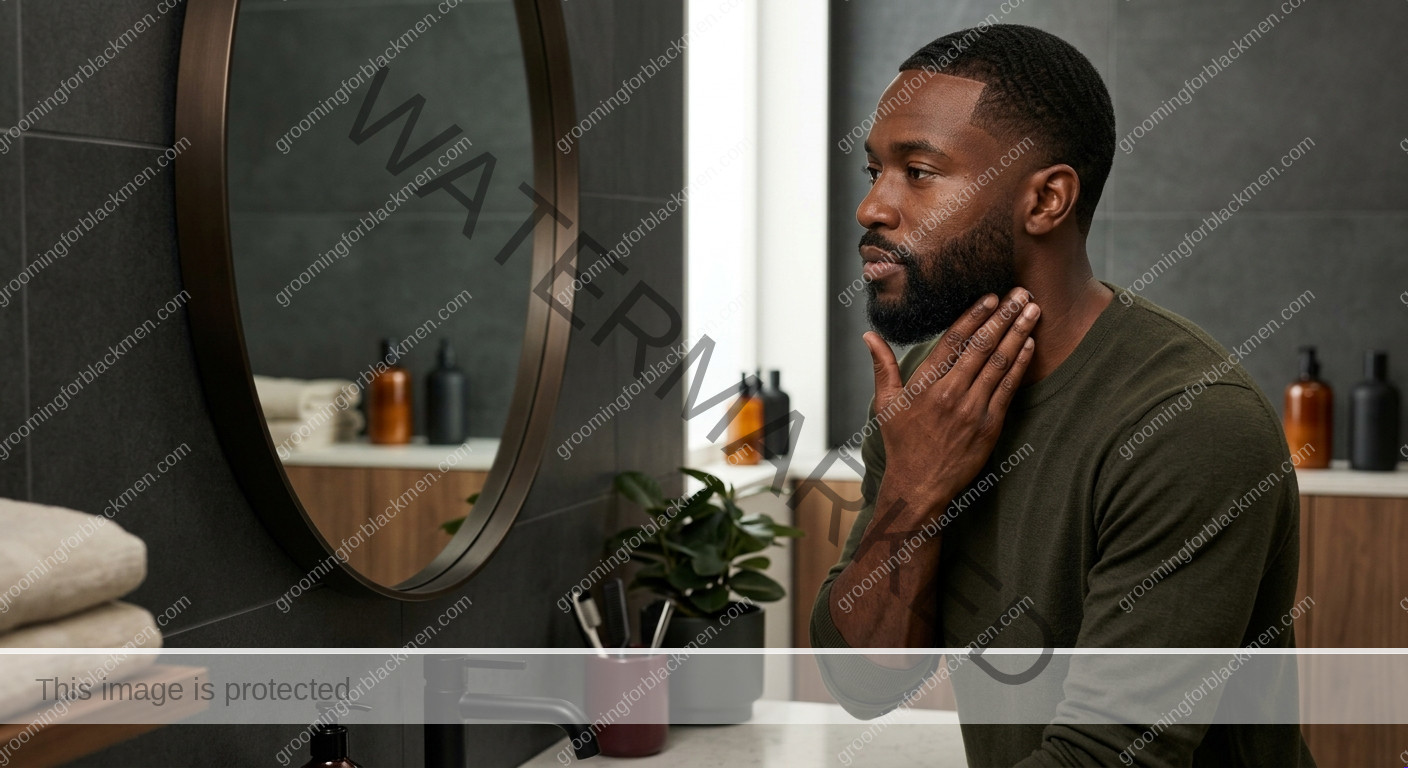
Razor bumps (pseudofolliculitis barbae) and ingrown hairs are not just minor annoyances—they’re a direct result of how coarse, curly hair grows and how it reacts to shaving. When a curly hair is cut too short, it can curve back into the skin, triggering inflammation, bumps, and sometimes dark marks. For Black men, this is a common reality, not a flaw.
Aftershave is more than a finishing touch. The wrong product can dry out your skin, sting, or make irritation worse. The right aftershave supports healing, soothes inflammation, and helps prevent future bumps. It’s about protection, not punishment. This is especially important if you:
- Frequently get razor bumps or ingrown hairs
- Have rich brown skin that’s prone to post-shave dark marks
- Experience burning, itching, or dryness after shaving
- Want to maintain a clean, even look without constant irritation
Understanding aftershave criteria for Black men isn’t just about comfort—it’s about respecting your skin’s needs and breaking the cycle of irritation and discoloration. For a deeper dive into the causes and prevention of razor bumps, see our Razor Bump Prevention Guide.
What Usually Goes Wrong

Most aftershaves on drugstore shelves are made with high concentrations of alcohol and heavy fragrances. For men with coarse, curly hair and sensitive, bump-prone skin, this is a recipe for disaster. Here’s what typically goes wrong:
- Alcohol-based aftershaves: These sting, dry out the skin, and can worsen irritation. They strip away natural oils, making your skin more vulnerable to bumps and dark marks.
- Strong fragrances: Added scents can cause allergic reactions or further irritate freshly shaved skin, especially if you’re already dealing with inflammation.
- Harsh astringents: Ingredients like witch hazel or menthol can be too aggressive, leading to tightness, burning, or flaking.
- Ignoring skin prep: Many men skip proper pre-shave and post-shave routines, making it harder for the skin to recover and defend itself.
- Too many products: Layering multiple scented or harsh products can compound irritation, rather than soothe it.
These mistakes are common because most aftershave marketing isn’t made for Black men’s grooming realities. If you’ve tried “classic” aftershaves and ended up with more bumps or burning, you’re not alone. For more on how shaving technique impacts bumps, see our Map Your Grain Guide.
What to Do Instead: Step-by-Step Aftershave Routine Logic
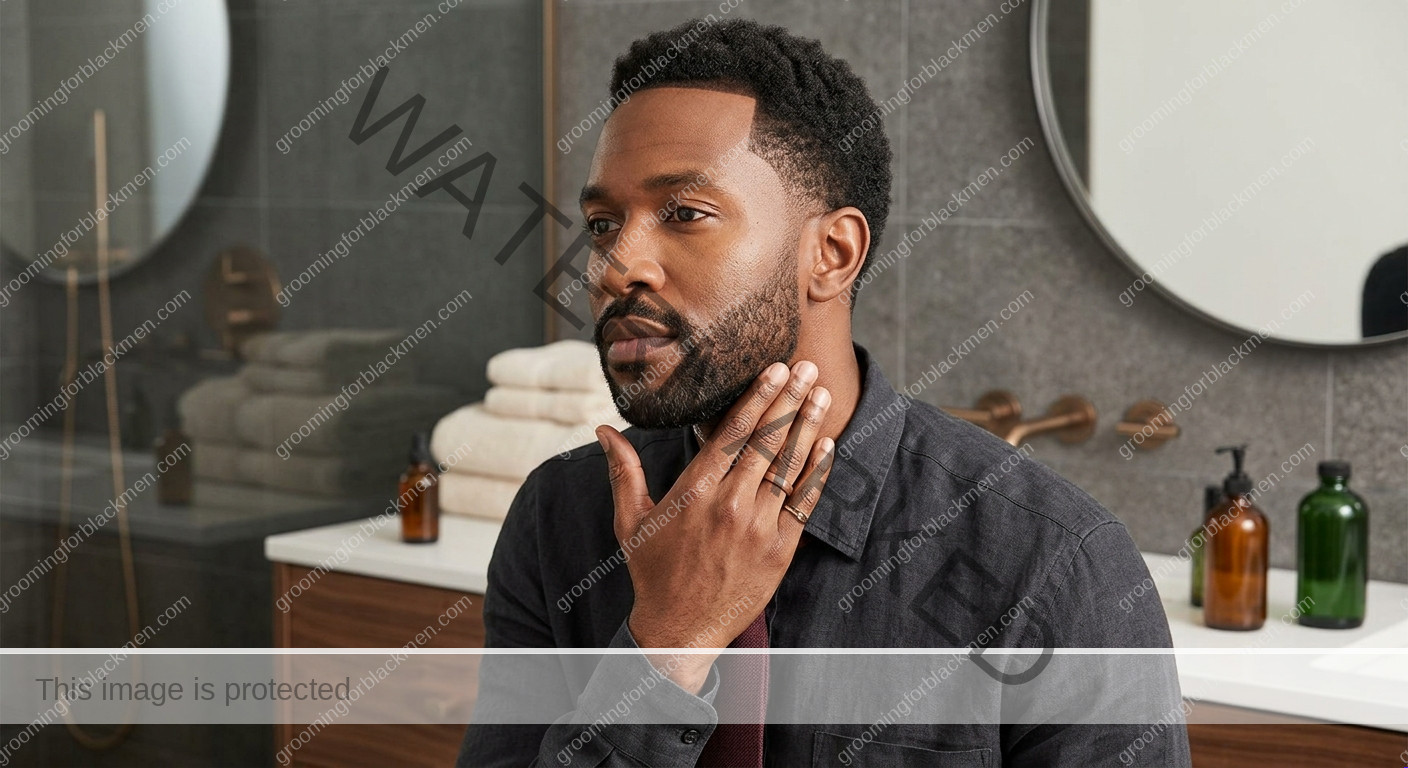
Effective aftershave care for Black men is about calming, protecting, and supporting your skin after every shave. Here’s a practical, step-by-step approach that respects your skin’s needs and minimizes the risk of bumps, irritation, and dark marks:
- Rinse thoroughly: After shaving, rinse your face with cool (not hot) water. This helps remove any remaining shave gel or cream and gently closes the pores. Cool water also calms the skin and reduces inflammation.
- Pat, don’t rub: Use a clean, soft towel to gently pat your skin dry. Rubbing can aggravate irritation and disrupt the healing process, especially if you already have bumps or sensitive areas.
- Apply an alcohol-free, fragrance-free aftershave balm or moisturizer: Look for soothing ingredients like aloe, allantoin, panthenol, oat extract, or chamomile. These support healing and hydration without sting or dryness. Avoid “cooling” aftershaves with menthol or camphor, which can be harsh on freshly shaved skin.
- Use a thin, even layer: Apply just enough product to cover the shaved area. Too much can clog pores or leave your skin feeling greasy.
- Let your skin breathe: Avoid layering multiple products immediately after shaving. Give your skin at least 10-15 minutes to recover before applying anything else (like sunscreen or makeup, if used).
- Monitor your skin’s response: Check for signs of irritation, new bumps, or excessive dryness. If you notice persistent problems, adjust your routine, and consider patch testing new products before full use.
Some men find that shaving less frequently, trimming instead of shaving close, or using a guarded trimmer can make a major difference. For more on alternative shaving routines, check out our Trimmer Routine Guide.
Routine Example: A Week in Practice
Let’s say you shave every other day. Here’s how you might build your aftershave routine:
- Day 1 (Shave Day): Follow the full step-by-step above. Apply your aftershave balm immediately after shaving.
- Day 2 (Rest Day): Cleanse your face as usual. If your skin feels dry, apply a light, fragrance-free moisturizer. Avoid exfoliating or using harsh scrubs.
- Repeat: Adjust frequency based on your skin’s response. If you notice more bumps, try shaving less often or using a guarded trimmer for maintenance.
Consistency is key. The right aftershave routine supports your skin’s natural healing and resilience, making each shave less of a gamble.
Product and Tool Criteria: What to Look For, What to Avoid
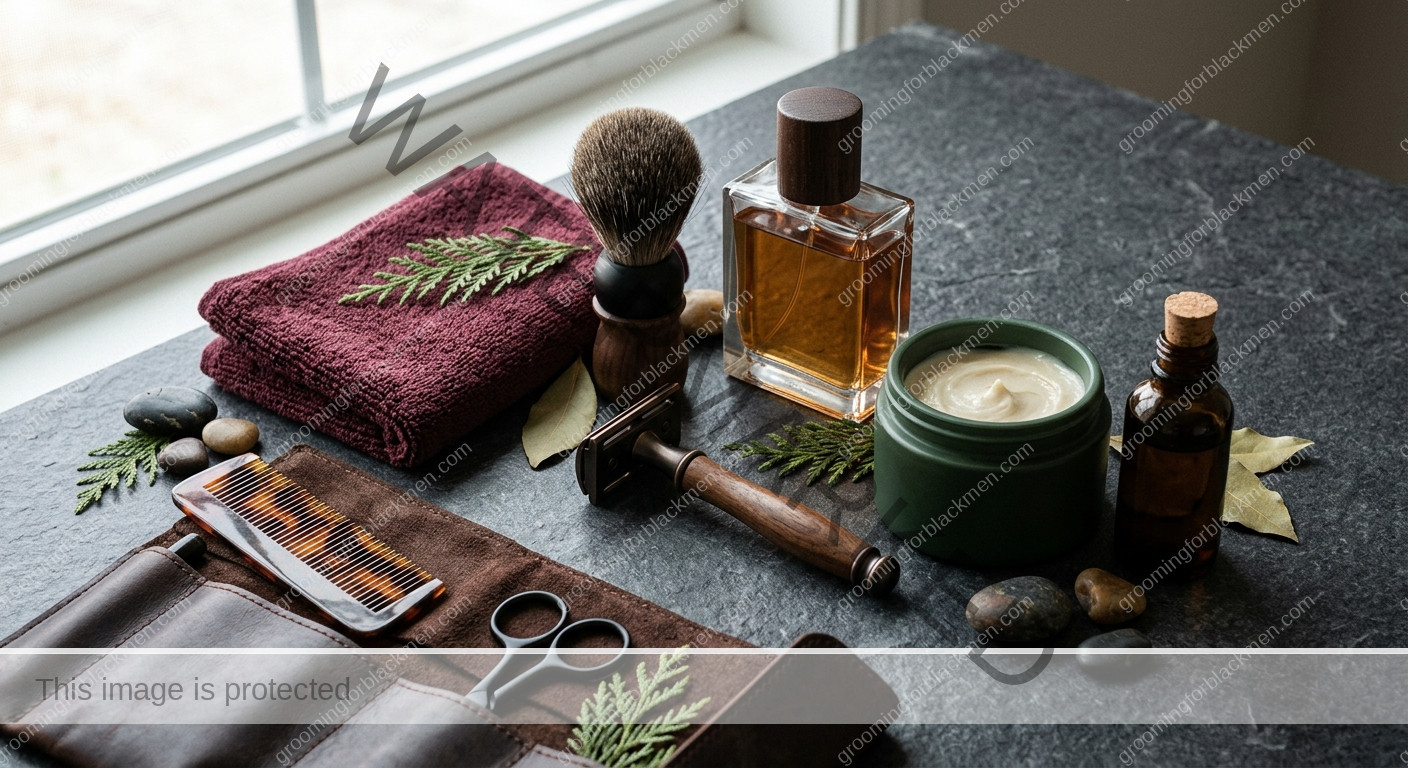
Choosing the right aftershave is about more than just avoiding alcohol. Here’s what to look for—and what to avoid—when selecting products for post-shave care:
- Alcohol-free: Avoid denatured alcohol, SD alcohol, or ethanol high on the ingredient list. These dry and inflame the skin, increasing the risk of bumps and dark marks.
- Fragrance-free or low fragrance: Added scents can trigger irritation and allergic reactions, especially on freshly shaved skin. If you want a scent, choose products with subtle, natural aromas from ingredients like oat or chamomile.
- Soothing ingredients: Look for balms or moisturizers with aloe vera, allantoin, panthenol (pro-vitamin B5), oat extract, or chamomile. These help calm inflammation and support healing. Shea butter and squalane are also good for hydration without clogging pores.
- Non-comedogenic: Products should not clog pores or leave a greasy residue. Lightweight, fast-absorbing formulas are best for daily use.
- Simple ingredient lists: Fewer ingredients mean fewer chances for irritation. Avoid harsh preservatives, dyes, or unnecessary additives. If you have a known allergy (like to nuts or soy), check the label carefully.
- Test before regular use: Always patch test a new product on a small area of your jaw or neck before applying it to your whole face. Wait 24 hours and check for redness, bumps, or itching.
GFBM may earn a small commission from qualifying purchases, but product examples are included to clarify criteria, not to promise results.
- Alcohol-free aftershave balm: Browse alcohol-free aftershave balm options on Amazon
- Fragrance-free face moisturizer: See fragrance-free face moisturizers here
- Sensitive skin shave gel: Explore sensitive skin shave gels
For more on building a sensitive skin shaving routine, read our Sensitive Skin Shaving Guide. If you’re struggling with dark marks after shaving, see our Razor Bumps and Dark Marks Guide for targeted advice.
Nuance: Ingredient Examples and Red Flags
Here’s a closer look at what’s worth seeking out—and what to skip:
- Seek out: Aloe vera, allantoin, panthenol, oat extract, chamomile, shea butter, squalane, niacinamide (for dark marks), and ceramides (for barrier repair).
- Skip: Denatured alcohol, SD alcohol, ethanol, menthol, camphor, synthetic dyes, parabens, and strong artificial fragrances.
Remember, “natural” doesn’t always mean safe. Patch test everything, especially if you have a history of allergies or sensitive skin.
Troubleshooting: When Your Aftershave Routine Isn’t Working

Even with the best routine, bumps and irritation can happen. Here’s how to troubleshoot common issues, and when it’s time to see a professional:
- Persistent razor bumps or ingrown hairs: Revisit your shaving technique. Shave with the grain, avoid stretching the skin, and don’t go over the same spot more than once or twice. Consider switching to a guarded trimmer or shaving less often. See our Trimmer Routine Guide for more.
- Burning or stinging after aftershave: Check for hidden alcohol or fragrance in your product. Switch to a balm or moisturizer with proven soothing ingredients. If the sensation continues, discontinue use and patch test alternatives.
- Dark marks or hyperpigmentation: Consistent, gentle care is key. Avoid picking or digging at bumps. Use sunscreen daily to prevent marks from darkening. For more, see our Razor Bumps and Dark Marks Guide.
- Red, painful, or spreading bumps: If bumps become painful, infected, or don’t improve with routine care, see a dermatologist. They can recommend prescription treatments or identify underlying issues.
- Scarring or persistent discoloration: Early intervention is best. Don’t wait for marks to become permanent. A qualified clinician can help with safe, effective options.
Never use harsh DIY treatments, aggressive scrubs, or unproven home remedies on irritated skin. For more on treating ingrown hairs safely, check out our Ingrown Hair Treatment Guide.
Example: Adjusting Your Routine
If you notice new bumps after switching aftershaves, stop using the new product and return to your previous routine. Introduce only one new product at a time, and give your skin a week to adjust before adding anything else. This makes it easier to pinpoint what’s working—and what’s not.
Frequently Asked Questions
What’s the difference between aftershave splash and aftershave balm for Black men?
Aftershave splash is usually alcohol-based and delivers a strong sting. It can dry out and irritate skin, especially if you’re prone to razor bumps. Aftershave balm is typically alcohol-free, creamy, and loaded with soothing ingredients. For Black men with coarse, curly hair, aftershave balm is almost always the better choice—it calms, hydrates, and supports healing without burn.
Should I use aftershave if I get razor bumps or ingrown hairs?
Yes, but choose wisely. Use an alcohol-free, fragrance-free balm or moisturizer with soothing ingredients. Skip harsh splashes or heavily scented products. The right aftershave can help reduce irritation and support recovery, but it won’t replace proper shaving technique or prevention.
Can I use my regular face moisturizer as aftershave?
In many cases, yes. A fragrance-free, non-comedogenic face moisturizer can double as an aftershave, especially if it contains calming ingredients like aloe or panthenol. Just make sure it doesn’t include alcohol, menthol, or strong fragrances that can irritate freshly shaved skin.
How do I know if my aftershave is making things worse?
If you notice increased burning, redness, dryness, or more bumps after using an aftershave, it’s likely too harsh for your skin. Check the ingredient list for alcohol, fragrance, or astringents. Switch to a gentler, alcohol-free product and monitor your skin’s response.
Is witch hazel a good aftershave for Black men?
Witch hazel can be soothing for some, but it’s often mixed with alcohol or other astringents that can dry out the skin. If you choose witch hazel, look for an alcohol-free version and patch test first. For most men with bump-prone skin, a gentle, hydrating balm is safer and more effective.
What should I do if I get a painful or infected bump after shaving?
Don’t pick, dig, or squeeze the bump. Apply a cool compress and use a gentle, alcohol-free aftershave or moisturizer. If the bump is painful, red, swollen, or doesn’t improve, see a dermatologist or qualified clinician for safe treatment. Early intervention helps prevent scarring and long-term marks.
How often should I apply aftershave or moisturizer after shaving?
Apply immediately after shaving, once your skin is clean and dry. If your skin feels dry or tight later in the day, a second light application is fine. Avoid over-layering or using multiple scented products at once.
What to Do Next
Shaving doesn’t have to be a battle. By choosing the right aftershave and building a routine that respects your skin’s needs, you can reduce irritation, prevent bumps, and keep your skin looking its best. Start by switching to an alcohol-free, fragrance-free balm or moisturizer, and pay attention to how your skin responds.
If you’re still struggling with razor bumps, ingrown hairs, or dark marks, explore our full Razor Bumps, Ingrown Hairs & Shaving Systems pillar for in-depth guides on prevention, treatment, and smarter shaving routines. For specific tips on electric shavers, see our Electric Shavers Guide. If neck bumps are your main issue, check out our Neck Bumps Guide.
The right aftershave is about more than comfort—it’s about confidence, health, and respecting your skin. Stay consistent, stay informed, and remember: your grooming routine should work for you, not against you.