Real-Life Hair and Waves Scenarios for Protective Styles for Black Men
A waves or scalp routine has to work after the bathroom mirror, not just during the first ten minutes after brushing. Black men often have to balance dense curls, scalp comfort, haircut timing, durag habits, sweat, product buildup, and the pressure to keep the pattern looking clean every day. That is why protective styles for black men needs a practical system instead of random brushing, heavy product, or panic changes whenever the pattern looks uneven.
Start by separating three questions. First, what is the hair doing It may be dry, overcoated, frizzy, compressed unevenly, or not trained enough yet. Second, what is the scalp doing Tightness, flakes, itching, or soreness usually means the routine needs gentler cleansing, cleaner tools, better rinsing, or less buildup. Third, what is your schedule doing If you work out, wear hats, sweat heavily, or sleep without consistent compression, your routine has to account for that reality.
The goal is not to force the hair into a pattern overnight. The goal is to create steady conditions: clean scalp, moisturized hair, consistent brushing direction, reasonable compression, and enough patience to let the curl pattern train over time. For many Black men, the mistake is not lack of effort. It is too much inconsistent effort: changing brushes every few days, adding more product when the scalp needs washing, or brushing aggressively until the scalp feels tender.
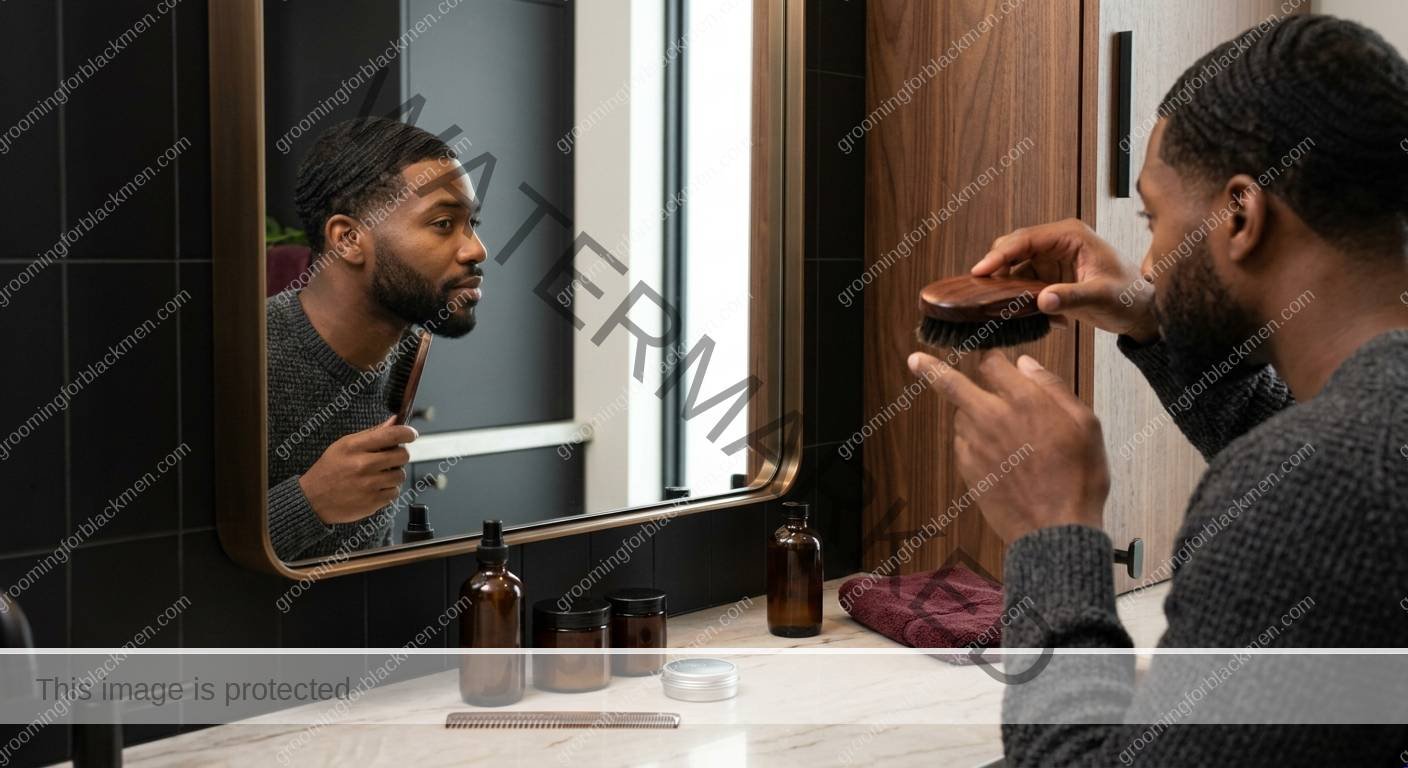
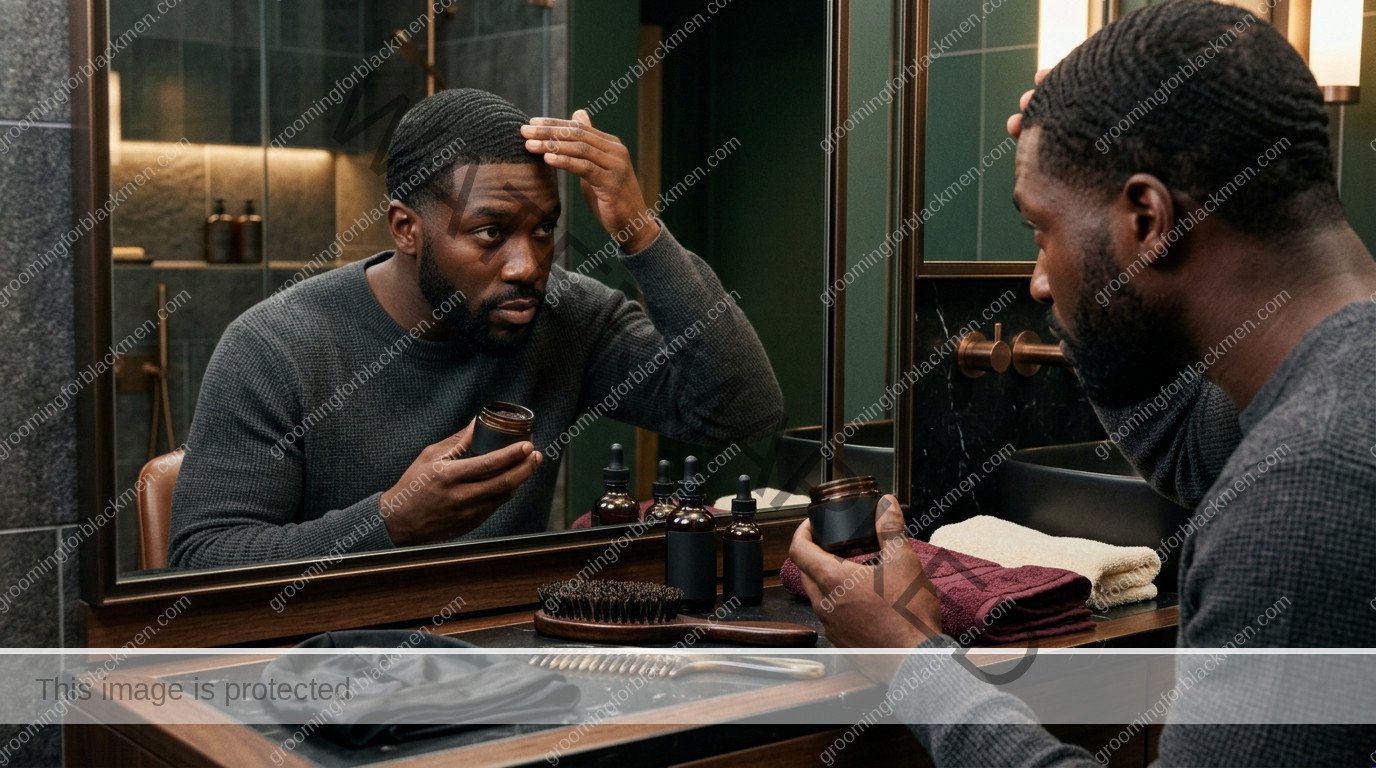
Tools matter, but standards matter more. A wave brush should match your hair length and texture. A durag or wave cap should hold the hair down without leaving painful lines. Wash day should clean the scalp without stripping it so hard that the hair feels brittle. Product should support moisture and control, not bury the scalp under a waxy layer. When those basics are consistent, the routine starts to feel less like guesswork.
How to Audit Waves and Scalp Progress Without Overreacting
Audit the routine weekly, not every hour. Look at whether the pattern is becoming more consistent, whether the scalp feels calmer, whether flakes or itch are improving, and whether the hair still has movement after product. A clean routine should not make the scalp feel trapped. If the hair only looks controlled because it is stiff, greasy, or coated, the routine may be hiding a problem instead of solving it.
If progress stalls, change one variable at a time. Adjust brush firmness, brushing direction, wash frequency, compression time, or product amount separately so you can tell what helped. If the scalp becomes painful, inflamed, bleeding, or persistently flaky, pause aggressive styling and consider a dermatologist or qualified clinician. A polished look should not require ignoring discomfort. The best routine is the one that trains the hair while protecting the scalp underneath.
Real-Life Hair and Waves Scenarios for Protective Styles for Black Men
A waves or scalp routine has to work after the bathroom mirror, not just during the first ten minutes after brushing. Black men often have to balance dense curls, scalp comfort, haircut timing, durag habits, sweat, product buildup, and the pressure to keep the pattern looking clean every day. That is why protective styles for black men needs a practical system instead of random brushing, heavy product, or panic changes whenever the pattern looks uneven.
Start by separating three questions. First, what is the hair doing It may be dry, overcoated, frizzy, compressed unevenly, or not trained enough yet. Second, what is the scalp doing Tightness, flakes, itching, or soreness usually means the routine needs gentler cleansing, cleaner tools, better rinsing, or less buildup. Third, what is your schedule doing If you work out, wear hats, sweat heavily, or sleep without consistent compression, your routine has to account for that reality.
The goal is not to force the hair into a pattern overnight. The goal is to create steady conditions: clean scalp, moisturized hair, consistent brushing direction, reasonable compression, and enough patience to let the curl pattern train over time. For many Black men, the mistake is not lack of effort. It is too much inconsistent effort: changing brushes every few days, adding more product when the scalp needs washing, or brushing aggressively until the scalp feels tender.
Tools matter, but standards matter more. A wave brush should match your hair length and texture. A durag or wave cap should hold the hair down without leaving painful lines. Wash day should clean the scalp without stripping it so hard that the hair feels brittle. Product should support moisture and control, not bury the scalp under a waxy layer. When those basics are consistent, the routine starts to feel less like guesswork.
How to Audit Waves and Scalp Progress Without Overreacting
Audit the routine weekly, not every hour. Look at whether the pattern is becoming more consistent, whether the scalp feels calmer, whether flakes or itch are improving, and whether the hair still has movement after product. A clean routine should not make the scalp feel trapped. If the hair only looks controlled because it is stiff, greasy, or coated, the routine may be hiding a problem instead of solving it.
If progress stalls, change one variable at a time. Adjust brush firmness, brushing direction, wash frequency, compression time, or product amount separately so you can tell what helped. If the scalp becomes painful, inflamed, bleeding, or persistently flaky, pause aggressive styling and consider a dermatologist or qualified clinician. A polished look should not require ignoring discomfort. The best routine is the one that trains the hair while protecting the scalp underneath.
Protective Styles for Black Men: Practical Grooming Guide
Protective styles aren’t just about looking sharp—they’re a disciplined approach to keeping your hair and scalp healthy, especially if you have coarse, curly, or tightly coiled hair. For Black men, protective styles can mean the difference between strong, resilient hair and breakage, dryness, or scalp irritation. But there’s a lot of noise out there: quick fixes, miracle claims, and routines that don’t respect the realities of Black men’s grooming. This guide is designed to cut through that noise with practical, premium advice for real routines and real results.
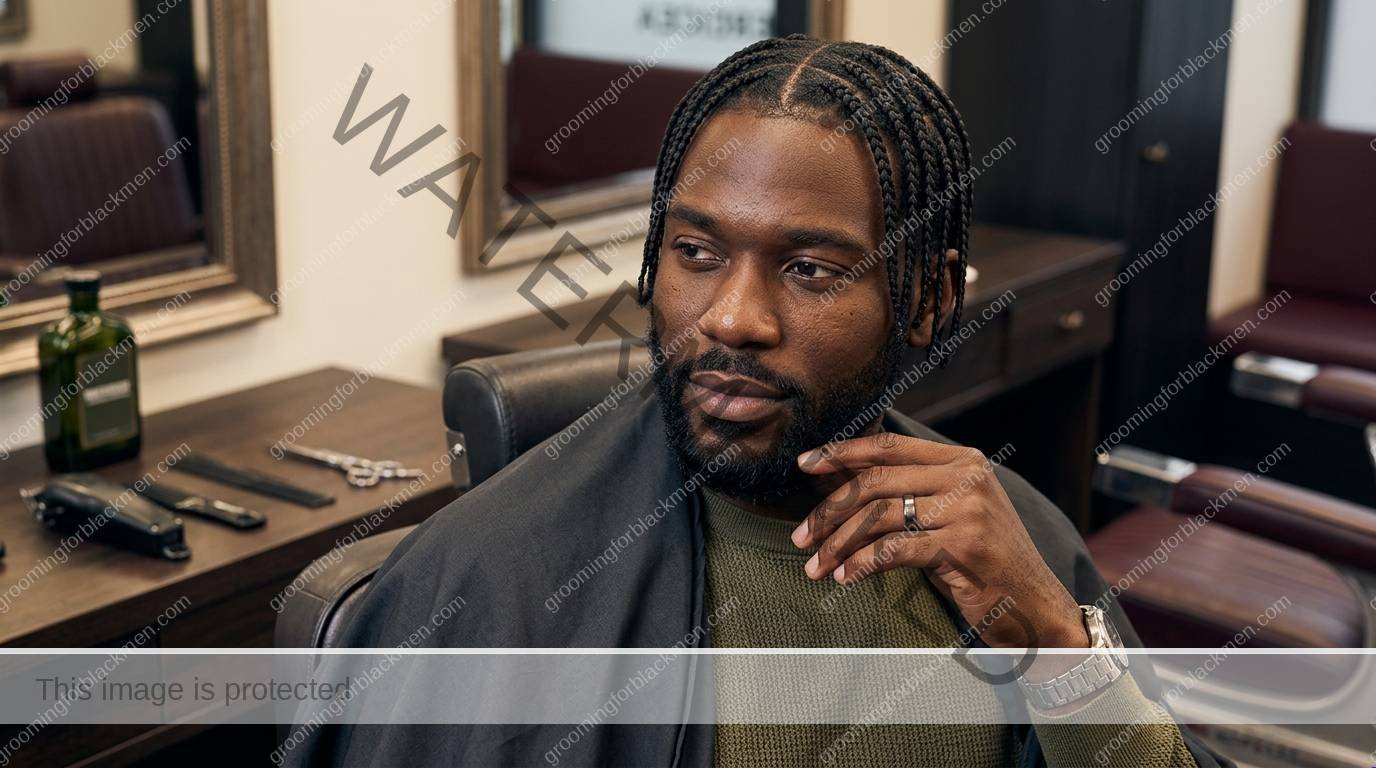
Whether you’re maintaining locs, braids, twists, cornrows, or just keeping your waves fresh under a durag, the right protective style can help you avoid daily manipulation, reduce breakage, and keep your hair and scalp in top condition. But it’s not just about the style—you need a disciplined routine, the right tools, and a clear understanding of what works for your hair type and lifestyle. This protective styles for black men practical grooming guide will walk you through the essentials, highlight common mistakes, and give you the tools to keep your hair and scalp healthy, strong, and looking its best.
For a deeper dive into hair and scalp fundamentals, check out our Hair & Scalp Health Guide. If you’re focused on 360 waves, you’ll find practical routines in our 360 Waves Guide and related articles.
Why This Matters for Black Men
Black men’s hair is unique—thicker, more coiled, and often more prone to dryness and breakage than other hair types. Our grooming routines have to respect that. Protective styles aren’t just about aesthetics; they’re a strategic way to minimize stress on your hair and scalp. Here’s why it matters:
- Reduces Manipulation: Daily brushing, combing, and styling can weaken hair and cause split ends or breakage. Protective styles cut down on this handling.
- Retains Moisture: Coarse and curly hair loses moisture fast. Styles that tuck away ends and minimize exposure help your hair hold onto hydration.
- Protects Scalp Health: A healthy scalp is the foundation for healthy hair. Protective styles shield your scalp from harsh weather, sun, and pollution.
- Supports Growth Retention: While no style can make your hair grow faster, protective styles help you keep the length you’ve earned by reducing breakage.
- Fits Active Lifestyles: Whether you’re in the gym, at work, or on the move, protective styles keep your hair manageable and looking sharp without constant upkeep.
Grooming for Black men is about more than appearance—it’s about discipline, self-respect, and health. Choosing the right protective style is a practical investment in yourself.
What Usually Goes Wrong
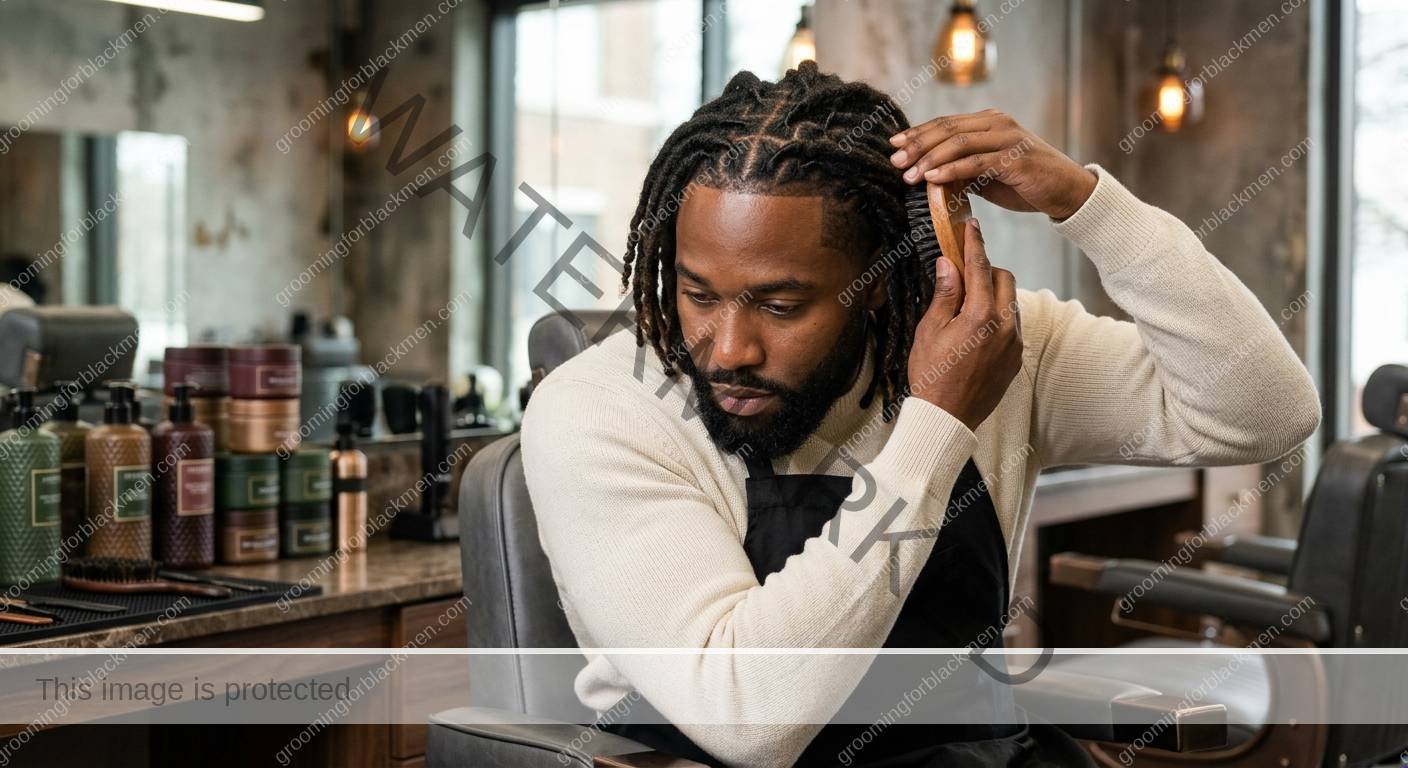
Even with the best intentions, protective styles can go sideways if you’re not careful. Here are the most common mistakes Black men make with protective styles, and why they matter:
- Too Much Tension: Tight braids, twists, or locs can pull on your scalp, leading to irritation, bumps, or even permanent hair loss (traction alopecia). If your style hurts, it’s too tight.
- Ignoring Scalp Health: Covering your hair doesn’t mean you can neglect your scalp. Sweat, buildup, and dryness can lead to flaking, itching, or infection if not addressed.
- Neglecting Moisture: Protective styles are not a free pass to skip moisturizing. Dry hair under a style is still at risk for breakage and split ends.
- Leaving Styles in Too Long: Every style has a lifespan. Leaving braids, twists, or cornrows in for too many weeks can cause matting, breakage, or buildup that’s hard to reverse.
- Poor Installation or Removal: Rushing through the process, using harsh tools, or yanking out styles can undo all your hard work and damage your hair and scalp.
- Using the Wrong Products: Heavy greases, alcohol-based sprays, or products that clog your pores can suffocate your scalp and weigh down your hair.
Understanding these pitfalls is the first step to building a routine that actually protects your hair and scalp, rather than setting you back.
What to Do Instead
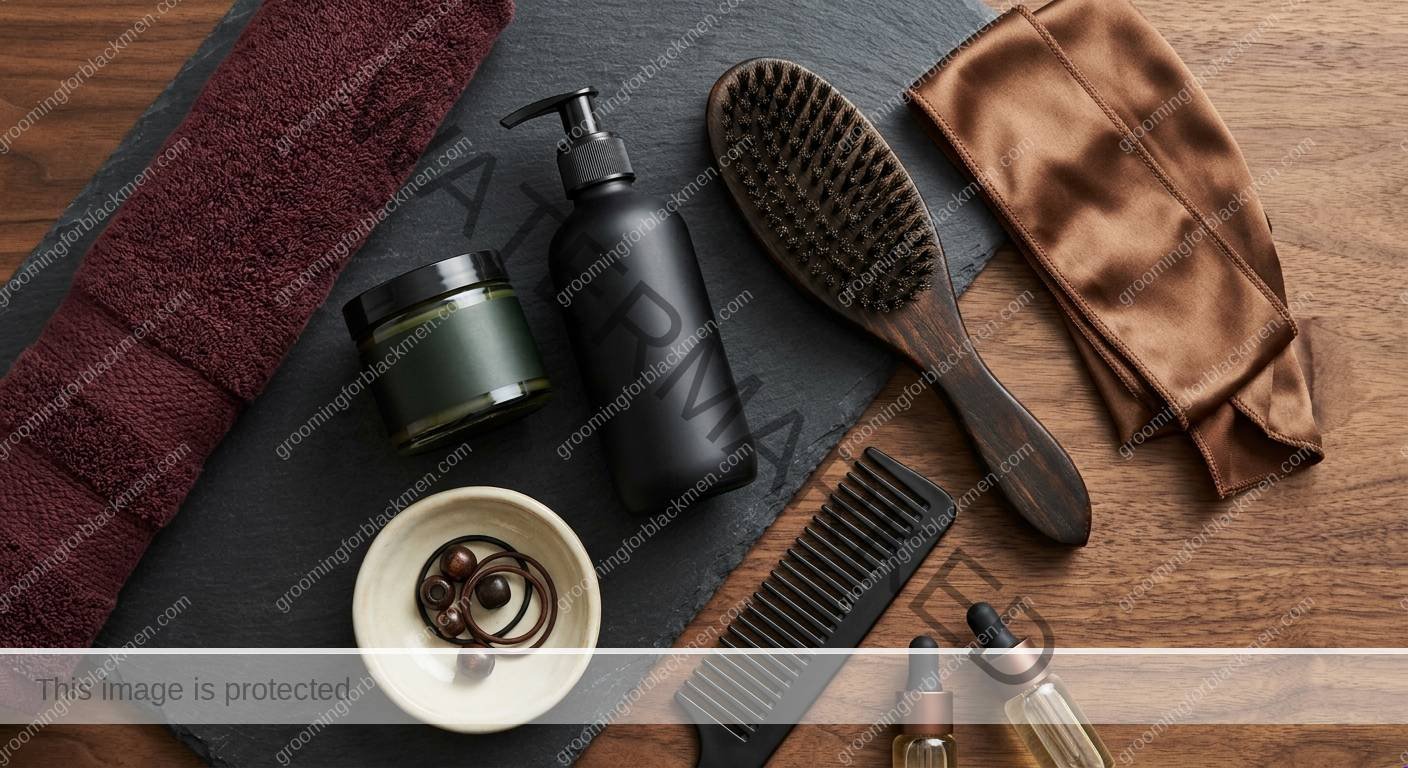
Here’s a disciplined, step-by-step approach to protective styles for Black men. These routines respect your hair’s needs, your lifestyle, and your long-term goals.
1. Choose the Right Style for Your Hair and Lifestyle
- Cornrows: Classic, low-profile, and easy to maintain. Good for most hair lengths. Cornrows work well for men who want a style that fits under hats or helmets, or who need a neat look for work or athletics.
- Box Braids: Versatile and durable, but require patience to install and remove. Box braids can be styled in buns, ponytails, or left loose. They’re ideal for men who want less frequent manipulation and are willing to invest in upkeep.
- Twists (Two-Strand or Three-Strand): Easier to install and take down than braids. Great for medium to long hair. Twists offer a softer look and are less likely to cause tension at the roots.
- Locs: A long-term commitment that requires regular maintenance and a clean, healthy scalp. Locs can be started with coils, twists, or braids and require retwisting or palm rolling as they mature.
- Braid Outs & Twist Outs: Wear your hair in braids or twists for a few days, then unravel for a defined, textured look. This is a good option if you want definition without long-term commitment.
- 360 Waves (with Durag): Not a traditional protective style, but wearing a durag keeps your waves laid and protects hair from friction and dryness. See our 360 Waves Guide for more.
When choosing a style, consider your daily routine, hair length, and how much time you can realistically dedicate to maintenance. If you’re active, opt for styles that hold up to sweat and movement. If you work in a formal environment, neat cornrows or well-maintained locs may fit best. If you’re new to protective styling, start with twists or simple cornrows before moving to more complex options.
2. Prep Your Hair and Scalp
- Wash and condition your hair thoroughly before installing any protective style. Clean hair and scalp are less prone to irritation and buildup. Use a sulfate-free shampoo and a rich conditioner to remove dirt and soften your hair.
- Detangle gently with a wide-tooth comb or your fingers. Don’t rush—snags lead to breakage. Start from the ends and work your way up to the roots.
- Apply a lightweight leave-in conditioner to keep hair hydrated and manageable. (See product criteria below.) Focus on the ends and areas prone to dryness.
- Let your hair dry completely before styling. Damp hair can lead to mildew or scalp irritation under a protective style.
Proper prep sets the foundation for a successful protective style. If you’re prone to dry scalp or dandruff, consider a gentle scalp scrub or clarifying rinse before styling.
3. Moisturize and Seal
- Moisturize your hair before, during, and after installing your style. Use a water-based leave-in, then seal with a light oil or cream. Jojoba, grapeseed, or argan oil are good choices for sealing in moisture without weighing hair down.
- Don’t overload your scalp with heavy products—less is more. Focus on hydration and scalp comfort. Heavy greases can clog pores and attract lint.
- Pay special attention to your hairline and nape, which are more prone to dryness and breakage.
Consistent moisture is key. If your hair feels dry or brittle, increase the frequency of your moisturizing routine or switch to a more hydrating product.
4. Maintain Your Style
- Keep your scalp clean. If you sweat a lot or notice buildup, use a gentle, diluted shampoo or a scalp rinse (like witch hazel diluted with water on a cotton pad). Avoid scratching, which can cause irritation or infection.
- Moisturize your scalp every few days with a light oil or spray. Don’t scratch—pat or massage if you’re itchy. If you have locs, focus on your roots and new growth.
- Wear a satin durag, scarf, or bonnet at night to reduce friction and lock in moisture. See our Durag vs Wave Cap Guide for more on choosing the right headwear.
- Don’t keep styles in longer than recommended—usually 2-8 weeks, depending on the style and your hair’s needs. If you notice frizz, buildup, or discomfort, it’s time to take the style down.
- For gym-goers or men in humid climates, rinse your scalp with water or a light cleansing spray after heavy sweating. Let your hair dry fully before covering it again.
Maintenance is about discipline, not perfection. If you miss a day, get back on track without guilt. The goal is consistent care over time.
5. Take Down Styles Carefully
- Take your time—don’t rush or yank. Use your fingers or a wide-tooth comb, and apply a bit of oil to help unravel braids or twists. If you encounter tangles, pause and add more oil or conditioner.
- Detangle gently and wash your hair as soon as the style is out. Follow up with a deep conditioner to restore moisture and elasticity. This step helps prevent breakage and prepares your hair for the next style.
- Give your scalp a break between styles if you notice any irritation, bumps, or soreness. Let your hair breathe for a few days before reinstalling a new style.
Patience during takedown protects your progress. If you’re removing a style after several weeks, expect some shed hair—this is normal. Focus on gentle handling, not speed.
Real-Life Scenarios: Protective Styles in Action
Every Black man’s hair journey is unique, but certain scenarios come up again and again. Here’s how to navigate them with confidence:
- Busy Professional: You need a style that looks sharp and lasts. Opt for neat cornrows or small box braids. Schedule maintenance every 2-3 weeks and keep a satin scarf in your work bag for midday touch-ups.
- Active Lifestyle: If you’re in the gym or outdoors often, choose styles that hold up to sweat and movement—cornrows, twists, or short locs. Rinse your scalp after workouts and don’t skip your nightly durag.
- Growing Out a Fade: As you transition from a low cut, start with two-strand twists or short braids. These styles protect new growth and help you avoid awkward phases.
- Managing Scalp Issues: If you’re prone to dandruff or irritation, prioritize scalp health. Use a gentle cleansing spray between washes and avoid heavy products. If problems persist, consult a dermatologist.
- Traveling: Protective styles are ideal for travel. Choose a low-maintenance option, pack a travel-size leave-in and oil, and keep a satin scarf or durag handy for flights and hotel stays.
Adapt your routine to your reality. The best protective style is the one you can maintain consistently, not just the one that looks good on Instagram.
Product and Tool Criteria for Protective Styles

GFBM may earn a small commission from qualifying purchases, but product examples are included to clarify criteria, not to promise results.
What to Look For
- Leave-In Conditioners: Look for lightweight, water-based formulas that hydrate without buildup. Avoid heavy waxes or greases that clog pores. Browse leave-in conditioners for locs
- Scalp Oils: Choose non-comedogenic oils (like jojoba, grapeseed, or tea tree blends) that soothe and hydrate without suffocating your scalp. Avoid mineral oil and heavy petrolatum. Browse scalp oils for protective styles
- Satin Durags and Scarves: Satin or silk reduces friction, prevents breakage, and locks in moisture. Cotton will dry your hair out. Browse satin durags for men
- Wide-Tooth Combs and Fingers: For detangling and takedown, avoid fine-tooth combs that snag and break hair. A sturdy, smooth-edged comb is best for thick, curly textures.
- Gentle Shampoos and Cleansing Rinses: Sulfate-free, non-stripping formulas keep your scalp clean without over-drying. Look for ingredients like aloe, tea tree, or peppermint for added scalp comfort.
Stick to these criteria and you’ll avoid the most common product pitfalls. For more on brush selection and wash routines, see our Wave Brush Selection Guide and Waves Wash Day Guide.
Troubleshooting and When to Get Help
Even with a disciplined routine, issues can come up. Here’s what to watch for and when to get professional help:
- Itching or Flaking: Mild itching is common, especially if you’re new to a style. Moisturize your scalp and avoid scratching. If you see persistent flaking, try a gentle scalp rinse. If it doesn’t improve, see a dermatologist.
- Pain or Bumps: If your style is painful or you notice bumps along your hairline or scalp, it’s too tight. Remove the style and give your scalp a break. Persistent pain or bumps that don’t heal need medical attention.
- Redness, Swelling, or Pus: These are signs of possible infection. Don’t try to treat this at home—see a qualified clinician.
- Breakage or Shedding: Some shedding is normal, but if you’re losing clumps of hair or see thinning spots, reassess your routine. Avoid tension, moisturize, and handle your hair gently.
- Persistent Dryness or Irritation: If your scalp or hair stays dry or irritated no matter what you try, consult a dermatologist to rule out underlying issues.
Never dig at ingrown hairs, use undiluted essential oils, or scrub aggressively. If you’re dealing with pain, infection, or scarring, don’t wait—get professional help.
Choosing Protective Styles Without Sacrificing Scalp Health
A protective style should make life easier, not quietly create a new scalp problem. For Black men, the best choice depends on hair density, curl pattern, lifestyle, and how sensitive the hairline already is. Braids, twists, cornrows, loc maintenance, and longer low-manipulation styles can all be useful, but the style has to respect the scalp underneath. If the parts feel painfully tight, if the edges look shiny and pulled, or if small bumps appear along the hairline within a day or two, that is not the price of looking sharp. That is a warning sign.
Start with tension. A clean style does not need to feel like your scalp is being tested. Ask for neat work with enough room for normal facial movement, sleeping, washing, and daily wear. If you wear hats, helmets, durags, wave caps, or work gear, tell your barber or stylist before the style is done. That pressure matters. A style that feels fine in the chair can become irritating once it is sitting under a fitted cap for eight hours.
Next, think about access. A protective style should still let you reach the scalp. If you cannot cleanse sweat, flakes, oil, or product buildup, the style may look good while the scalp gets louder. That can show up as itching, odor, tenderness, or flakes that keep returning. The goal is not to over-wash or disturb the style every day. The goal is to keep the scalp calm enough that the style can last without turning into a recovery project.
Maintenance Schedule for the First Two Weeks
The first two weeks decide whether a protective style settles in well or starts causing problems. On day one, pay attention to comfort. Some neatness is normal. Pain is not. If you feel throbbing, sharp pulling, or tightness that makes it hard to raise your eyebrows or sleep, speak up early. Waiting it out can cost you hairline health. A style that has to be endured is already asking too much from your scalp.
During the first few days, keep products light. A small amount of scalp oil or a water-based leave-in can help with comfort, but heavy layers can trap sweat and dust. If you already have buildup, adding more shine is not the same as adding care. Use your fingertips or an applicator tip to place product where it is needed instead of coating the whole head. The scalp should feel comfortable, not slick and smothered.
By the middle of the first week, check the high-friction areas: temples, nape, crown, and wherever hats or headwear sit. Look for bumps, tenderness, flakes, or redness. On richly melanated skin, irritation may not always look bright red. It may show as soreness, dark marks, rough texture, or a patch that feels different from the surrounding skin. If something is irritated, simplify. Skip strong actives, avoid scratching, and reduce pressure on that area.
Take-Down, Recovery, and the Reset Before the Next Style
The take-down matters as much as the install. Rushing through knots, shed hair, or product buildup can turn a protective style into breakage. Before you start, give yourself enough time. Use clean hands, work in sections, and soften the hair with a little water-based product or conditioner if the hair feels dry. Do not rip through tangles just to get it over with. Shed hair is normal after a style, but snapping and tearing are signs to slow down.
After the style is removed, cleanse the scalp and hair without trying to punish them. A clarifying wash may be useful if there is heavy buildup, but it should not leave the scalp burning or the hair feeling stripped. Follow with moisture and give your scalp a chance to settle. If you see tender bumps, thinning edges, or painful patches, pause tight styles and give the area room to recover. If symptoms persist, a dermatologist or trusted hair professional can help you sort out whether irritation, traction, seborrheic dermatitis, folliculitis, or another issue is involved.
Before the next protective style, review what worked. Did the style last comfortably? Did it fit your workout schedule? Did your hairline feel supported? Did you have enough access to cleanse and moisturize? That review is not vanity. It is maintenance. Black men’s hair care is often talked about like it should be effortless, but real grooming takes observation. The more you learn how your scalp responds, the easier it becomes to choose styles that protect your look and your hair health.
Keeping the Style Sharp Without Overworking It
Once a protective style is in place, the temptation is to keep adjusting it until every part looks freshly done. That is usually where trouble starts. Constant brushing, picking, pulling, re-parting, and adding more product can shorten the life of the style and irritate the scalp. A cleaner approach is to set a small maintenance rhythm: check the hairline, refresh moisture only where needed, protect the style at night, and leave it alone when it is already holding well.
For workdays, keep the routine practical. If you sweat, let the scalp dry before covering it tightly. If you use a durag, scarf, cap, or bonnet, make sure it is clean and not pressing the same tender spots every night. If flakes show up, do not scrape them aggressively. Try a gentle cleanse or targeted scalp refresh instead. If the style starts to look fuzzy, focus on neatness around the perimeter rather than disturbing every braid, twist, or section.
Use the reset between styles to check the basics: whether the hairline feels tender, whether the scalp still feels balanced, and whether the next style needs less tension, larger parts, or a shorter wear time. Small adjustments like that are how a grooming routine becomes sustainable instead of reactive. Protective styling is not just about stretching time between appointments. It is about keeping the hair, scalp, and hairline strong enough to keep choosing the look with confidence.
Frequently Asked Questions
How often should I moisturize my hair and scalp in a protective style
For most Black men, moisturizing every 2-3 days is ideal. Use a water-based leave-in on your hair and a light oil or spray on your scalp. Adjust based on your hair’s needs and your activity level. Don’t wait until your hair feels dry—stay ahead of the game.
How long can I safely keep a protective style in
Most styles should be kept in for 2-8 weeks, depending on your hair type, the style, and your scalp health. Cornrows and twists usually last 2-4 weeks; box braids and locs can last longer with proper care. Don’t push it—leaving styles in too long leads to matting and breakage.
Can I wash my hair while it’s in a protective style
Yes. In fact, you should. Use a diluted, sulfate-free shampoo or a gentle cleansing rinse every 1-2 weeks. Focus on your scalp, rinse thoroughly, and let your hair dry completely before covering it again.
What’s the best way to protect my hair at night
Wear a satin or silk durag, scarf, or bonnet. These materials reduce friction, prevent breakage, and help your hair retain moisture. Avoid cotton, which dries out your hair and scalp. For more, see our Durag vs Wave Cap Guide.
How do I know if my style is too tight
If your scalp hurts, you see bumps along your hairline, or you feel tension when you move your head, the style is too tight. Remove it immediately to avoid long-term damage. Protective styles should never hurt.
What should I do if I notice breakage or thinning
Take a break from protective styles and focus on gentle, moisturizing care. Avoid tension, detangle carefully, and use a deep conditioner. If you see persistent thinning or bald spots, see a dermatologist.
Are protective styles good for growing my hair
Protective styles don’t make your hair grow faster, but they help you retain length by reducing breakage and split ends. Consistent, healthy routines are the key. For more on growth and retention, see our Protective Styles & Scalp Health Guide.
What to Do Next
Building a disciplined grooming routine takes time and consistency. Start by choosing a protective style that fits your hair and lifestyle. Prep your hair and scalp, stick to a moisturizing routine, and don’t ignore signs of trouble. Invest in quality products and tools, and don’t be afraid to get professional help if you need it.
For a deeper understanding of hair and scalp health, revisit our Hair & Scalp Health Guide. If you’re working on your waves, check out our 360 Waves Guide, Wave Brush Selection Guide, and Waves Troubleshooting Guide.
Protective styles are a practical, premium approach to grooming for Black men. Stay disciplined, stay informed, and respect your hair and scalp—your future self will thank you.