

Real-Life Hair and Waves Scenarios for Product Buildup Reset for Black Men
A waves or scalp routine has to work after the bathroom mirror, not just during the first ten minutes after brushing. Black men often have to balance dense curls, scalp comfort, haircut timing, durag habits, sweat, product buildup, and the pressure to keep the pattern looking clean every day. That is why product buildup reset for black men needs a practical system instead of random brushing, heavy product, or panic changes whenever the pattern looks uneven.
Start by separating three questions. First, what is the hair doing It may be dry, overcoated, frizzy, compressed unevenly, or not trained enough yet. Second, what is the scalp doing Tightness, flakes, itching, or soreness usually means the routine needs gentler cleansing, cleaner tools, better rinsing, or less buildup. Third, what is your schedule doing If you work out, wear hats, sweat heavily, or sleep without consistent compression, your routine has to account for that reality.
The goal is not to force the hair into a pattern overnight. The goal is to create steady conditions: clean scalp, moisturized hair, consistent brushing direction, reasonable compression, and enough patience to let the curl pattern train over time. For many Black men, the mistake is not lack of effort. It is too much inconsistent effort: changing brushes every few days, adding more product when the scalp needs washing, or brushing aggressively until the scalp feels tender.
Tools matter, but standards matter more. A wave brush should match your hair length and texture. A durag or wave cap should hold the hair down without leaving painful lines. Wash day should clean the scalp without stripping it so hard that the hair feels brittle. Product should support moisture and control, not bury the scalp under a waxy layer. When those basics are consistent, the routine starts to feel less like guesswork.
How to Audit Waves and Scalp Progress Without Overreacting
Audit the routine weekly, not every hour. Look at whether the pattern is becoming more consistent, whether the scalp feels calmer, whether flakes or itch are improving, and whether the hair still has movement after product. A clean routine should not make the scalp feel trapped. If the hair only looks controlled because it is stiff, greasy, or coated, the routine may be hiding a problem instead of solving it.
If progress stalls, change one variable at a time. Adjust brush firmness, brushing direction, wash frequency, compression time, or product amount separately so you can tell what helped. If the scalp becomes painful, inflamed, bleeding, or persistently flaky, pause aggressive styling and consider a dermatologist or qualified clinician. A polished look should not require ignoring discomfort. The best routine is the one that trains the hair while protecting the scalp underneath.
Real-Life Hair and Waves Scenarios for Product Buildup Reset for Black Men
A waves or scalp routine has to work after the bathroom mirror, not just during the first ten minutes after brushing. Black men often have to balance dense curls, scalp comfort, haircut timing, durag habits, sweat, product buildup, and the pressure to keep the pattern looking clean every day. That is why product buildup reset for black men needs a practical system instead of random brushing, heavy product, or panic changes whenever the pattern looks uneven.
Start by separating three questions. First, what is the hair doing It may be dry, overcoated, frizzy, compressed unevenly, or not trained enough yet. Second, what is the scalp doing Tightness, flakes, itching, or soreness usually means the routine needs gentler cleansing, cleaner tools, better rinsing, or less buildup. Third, what is your schedule doing If you work out, wear hats, sweat heavily, or sleep without consistent compression, your routine has to account for that reality.
The goal is not to force the hair into a pattern overnight. The goal is to create steady conditions: clean scalp, moisturized hair, consistent brushing direction, reasonable compression, and enough patience to let the curl pattern train over time. For many Black men, the mistake is not lack of effort. It is too much inconsistent effort: changing brushes every few days, adding more product when the scalp needs washing, or brushing aggressively until the scalp feels tender.
Tools matter, but standards matter more. A wave brush should match your hair length and texture. A durag or wave cap should hold the hair down without leaving painful lines. Wash day should clean the scalp without stripping it so hard that the hair feels brittle. Product should support moisture and control, not bury the scalp under a waxy layer. When those basics are consistent, the routine starts to feel less like guesswork.
How to Audit Waves and Scalp Progress Without Overreacting
Audit the routine weekly, not every hour. Look at whether the pattern is becoming more consistent, whether the scalp feels calmer, whether flakes or itch are improving, and whether the hair still has movement after product. A clean routine should not make the scalp feel trapped. If the hair only looks controlled because it is stiff, greasy, or coated, the routine may be hiding a problem instead of solving it.
If progress stalls, change one variable at a time. Adjust brush firmness, brushing direction, wash frequency, compression time, or product amount separately so you can tell what helped. If the scalp becomes painful, inflamed, bleeding, or persistently flaky, pause aggressive styling and consider a dermatologist or qualified clinician. A polished look should not require ignoring discomfort. The best routine is the one that trains the hair while protecting the scalp underneath.
Real-Life Hair and Waves Scenarios for Product Buildup Reset for Black Men
A waves or scalp routine has to work after the bathroom mirror, not just during the first ten minutes after brushing. Black men often have to balance dense curls, scalp comfort, haircut timing, durag habits, sweat, product buildup, and the pressure to keep the pattern looking clean every day. That is why product buildup reset for black men needs a practical system instead of random brushing, heavy product, or panic changes whenever the pattern looks uneven.
Start by separating three questions. First, what is the hair doing It may be dry, overcoated, frizzy, compressed unevenly, or not trained enough yet. Second, what is the scalp doing Tightness, flakes, itching, or soreness usually means the routine needs gentler cleansing, cleaner tools, better rinsing, or less buildup. Third, what is your schedule doing If you work out, wear hats, sweat heavily, or sleep without consistent compression, your routine has to account for that reality.
The goal is not to force the hair into a pattern overnight. The goal is to create steady conditions: clean scalp, moisturized hair, consistent brushing direction, reasonable compression, and enough patience to let the curl pattern train over time. For many Black men, the mistake is not lack of effort. It is too much inconsistent effort: changing brushes every few days, adding more product when the scalp needs washing, or brushing aggressively until the scalp feels tender.
Tools matter, but standards matter more. A wave brush should match your hair length and texture. A durag or wave cap should hold the hair down without leaving painful lines. Wash day should clean the scalp without stripping it so hard that the hair feels brittle. Product should support moisture and control, not bury the scalp under a waxy layer. When those basics are consistent, the routine starts to feel less like guesswork.
How to Audit Waves and Scalp Progress Without Overreacting
Audit the routine weekly, not every hour. Look at whether the pattern is becoming more consistent, whether the scalp feels calmer, whether flakes or itch are improving, and whether the hair still has movement after product. A clean routine should not make the scalp feel trapped. If the hair only looks controlled because it is stiff, greasy, or coated, the routine may be hiding a problem instead of solving it.
If progress stalls, change one variable at a time. Adjust brush firmness, brushing direction, wash frequency, compression time, or product amount separately so you can tell what helped. If the scalp becomes painful, inflamed, bleeding, or persistently flaky, pause aggressive styling and consider a dermatologist or qualified clinician. A polished look should not require ignoring discomfort. The best routine is the one that trains the hair while protecting the scalp underneath.
Intro: Understanding Product Buildup Reset for Black Men

If you’re a Black man with rich brown skin and coarse or curly hair, you already know grooming is about more than looking sharp—it’s about keeping your hair and scalp healthy, comfortable, and resilient. Whether you’re working on 360 waves, keeping a close crop, or growing out your curls, product buildup is a real issue that can throw off your whole routine. Oils, creams, pomades, gels, and even some shampoos can leave behind residue that dulls your hair, clogs your scalp, and makes your grooming efforts less effective.
A product buildup reset for Black men isn’t about stripping your hair bare or following trends. It’s a practical, disciplined approach to clearing away what’s holding your hair and scalp back—without sacrificing moisture, curl definition, or wave depth. This guide is grounded in the realities of grooming for Black men: textured hair, sensitive scalps, and routines that need to work, not just look good on camera.
If you’ve noticed your hair looking dull, your scalp feeling itchy, or your waves losing definition, you’re not alone. Buildup is common, especially when you use rich moisturizers, heavy pomades, or styling products designed for textured hair. The good news With the right reset routine, you can restore your hair’s natural look and feel—without harsh chemicals, aggressive scrubbing, or risky home remedies.
This guide covers why buildup is a bigger deal for Black men, what usually goes wrong, what to do instead, and how to pick the right products and tools. You’ll also find troubleshooting tips, FAQs, and clear next steps to keep your hair and scalp in top shape. No hype, no shame, no empty promises—just practical advice for real grooming routines.
Why Product Buildup Reset Matters for Black Men

Textured hair—whether curly, coily, or wavy—naturally holds onto products more than straight hair. That’s because the bends and twists in each strand create more surface area for oils, creams, and styling products to cling to. Add in thicker, denser hair and a scalp that’s often drier by nature, and you’ve got a recipe for buildup that can sneak up on you fast.
- Moisturizers and pomades: Many products for Black men are rich in oils, butters, and waxes. They’re great for locking in moisture and defining curls or waves, but they can also layer up over time.
- Scalp health: Buildup can clog pores, leading to itchiness, flaking, or even irritation. For men who brush for waves or wear durags and wave caps, trapped sweat and product can make things worse.
- Appearance: Dull, weighed-down hair and a lack of definition are classic signs of buildup. If your waves aren’t popping or your curls look lifeless, residue is often the culprit.
- Routine efficiency: Buildup blocks moisture and nutrients from reaching your hair and scalp. That means your leave-ins, oils, and butters can’t do their job, no matter how much you apply.
Resetting your hair and scalp isn’t about starting over from scratch. It’s about clearing the path so your grooming routine works the way it should—leaving your hair looking, feeling, and performing its best.
The realities of Black men’s grooming mean that buildup is not just a cosmetic issue. It can affect how comfortable you feel in your own skin, how well your hair responds to brushing or styling, and even your confidence at work or in social settings. If you’re serious about your hair and scalp health, understanding and managing buildup is as important as choosing the right moisturizer or wave brush.
What Usually Goes Wrong with Product Buildup

Most Black men run into product buildup for a few simple reasons—and most of them come down to routine, not genetics or “bad hair.” Here’s what typically goes wrong:
- Using heavy products too often: Pomades, butters, and oils are great, but layering them daily without a reset can suffocate your scalp and dull your hair.
- Infrequent washing: Washing too rarely lets residue build up. But washing too often, especially with harsh shampoos, can dry out your hair and scalp.
- Wrong shampoo: Many shampoos marketed to Black men are too gentle to remove buildup, while others are too harsh and strip away needed moisture.
- Poor rinsing technique: Not rinsing thoroughly leaves product behind, especially in dense or tightly coiled hair.
- Skipping scalp care: Focusing only on hair and ignoring the scalp lets residue accumulate at the roots, leading to itchiness and flakes.
The result Hair that feels greasy or waxy, waves that won’t lay right, curls that clump together, and a scalp that’s uncomfortable or irritated. If you’re dealing with any of these, it’s time for a reset.
Real-life scenario: You’ve been brushing for waves, applying pomade every day, and wearing your durag religiously. After a couple of weeks, your waves start looking flat, your scalp feels tight, and no matter how much moisturizer you use, your hair just feels “off.” That’s classic buildup. Or maybe you’re growing your curls, using leave-in conditioner and curl cream, but your curls start sticking together and lose their bounce. Again, that’s buildup at work. Recognizing these signs early makes your reset routine more effective and keeps your hair in its best shape.
What to Do Instead: A Practical Reset Routine
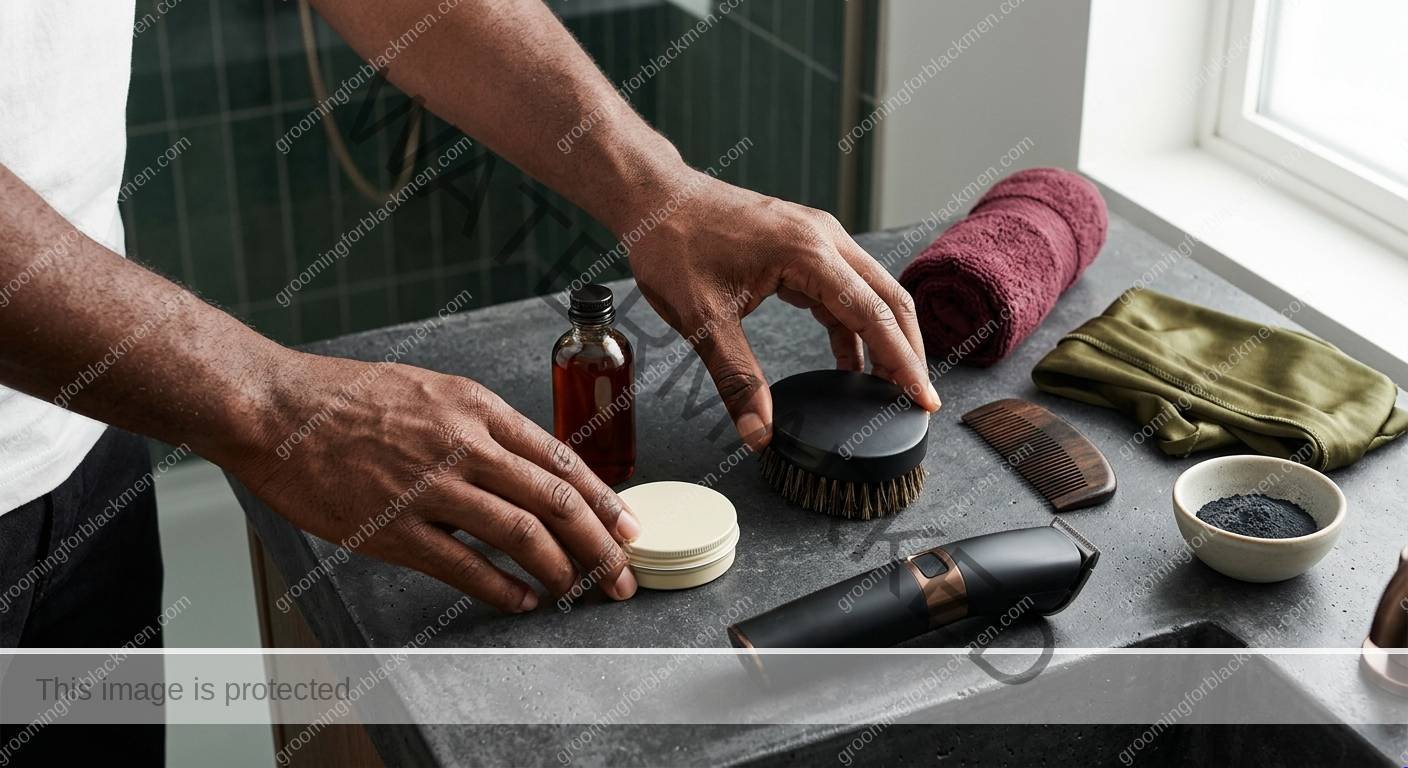
A disciplined reset routine clears away buildup without drying out your hair or stressing your scalp. Here’s a step-by-step approach that works for real life—not just for photo shoots.
- Step 1: Clarify, don’t strip. Use a clarifying shampoo designed for textured hair. Avoid products with high alcohol content or harsh sulfates. Focus on the scalp first, then work through the hair. Don’t rush—let the shampoo sit for a minute before rinsing.
- Step 2: Use a scalp brush (gently). A soft silicone scalp brush helps lift residue from the scalp and roots. Use gentle, circular motions—no digging or scratching. This helps clear buildup without damaging your scalp or hair follicles.
- Step 3: Rinse thoroughly. Take your time. Dense, curly, or coily hair traps suds and product. Rinse until the water runs clear and your hair feels clean but not squeaky.
- Step 4: Moisturize and protect. After clarifying, your hair needs moisture. Use a lightweight, water-based leave-in conditioner or moisturizer. Avoid heavy oils or butters right after a reset—give your scalp a chance to breathe.
- Step 5: Reset your routine. Going forward, use heavy products only as needed. Alternate with lighter moisturizers and wash with a sulfate-free shampoo between resets to maintain balance.
How often should you reset For most Black men, once every 2-4 weeks is enough. If you use a lot of heavy products, sweat often, or wear wave caps/durags daily, you might need a reset every 1-2 weeks. Listen to your hair and scalp—they’ll tell you when it’s time.
Routine logic: The reset process is about balance. Clarifying shampoos remove buildup but can also remove some natural oils, so you want to follow up with a lightweight moisturizer. Heavy products are best used sparingly, and only when your hair actually needs extra hold or definition. For everyday moisture, lighter leave-ins help keep your scalp healthy and your hair soft.
Decision criteria: If your hair feels heavy, looks dull, or your scalp is itchy, it’s time for a reset. If your hair feels dry or brittle after a reset, you may need to adjust your moisturizing step or use a less aggressive clarifying shampoo. If you’re not seeing results, review your technique—are you rinsing thoroughly Are you using the right products for your hair type
For more detailed routines and troubleshooting, check the waves wash day guide and waves troubleshooting guide.
Product and Tool Criteria for a Safe, Effective Reset

Not all shampoos, brushes, or conditioners are created equal—especially for Black men with textured hair. Here’s what to look for in each category.
- Clarifying shampoo: Choose one formulated for curly or textured hair. It should remove residue without stripping all natural oils. Avoid high-alcohol formulas and harsh sulfates. Look for words like “gentle,” “moisturizing,” or “for textured hair.”
- Scalp brush: Go for a soft silicone brush, not hard plastic or metal. It should flex with your scalp and not scratch. The goal is to lift buildup, not irritate your skin.
- Sulfate-free shampoo: For regular washes between resets, use a sulfate-free shampoo that hydrates and cleanses without stripping. This keeps your scalp balanced and minimizes future buildup.
- Leave-in conditioner: After clarifying, use a lightweight, water-based leave-in. Avoid heavy creams or oils immediately after a reset—let your scalp recover first.
GFBM may earn a small commission from qualifying purchases, but product examples are included to clarify criteria, not to promise results.
- Clarifying shampoo for Black men (Amazon search)
- Scalp brush for buildup (Amazon search)
- Sulfate free shampoo for curly hair (Amazon search)
For more on selecting brushes and maintaining waves, see our wave brush selection guide and waves wash day guide.
Nuance in product selection: The right clarifying shampoo should leave your scalp feeling refreshed, not tight or flaky. If your hair feels stripped or your scalp is irritated, try a gentler formula or reduce how often you clarify. For scalp brushes, avoid anything that feels sharp or abrasive—gentleness is key, especially if you have a sensitive scalp or are prone to razor bumps. For leave-ins, water-based formulas absorb quickly and won’t weigh hair down after a reset.
If you’re working on 360 waves or need more detail on wave-friendly products, see our 360 waves guide.
Real-Life Scenarios: Reset Routines for Different Lifestyles
Every Black man’s lifestyle is different, and your reset routine should fit your reality. Here are practical scenarios and how to adjust your approach:
- The Athlete or Gym Regular: Sweat mixes with product and accelerates buildup. If you work out often, clarify every 1-2 weeks and rinse your scalp with water after workouts. Use lighter products on gym days.
- The Wave Brusher: Daily pomade and durag use means more frequent resets. Stick to clarifying every 1-2 weeks, and use a scalp brush to keep roots clear. Alternate pomade with lighter moisturizers when possible.
- The Low-Maintenance Groomer: If you use minimal products, you may only need to clarify monthly. Focus on thorough rinsing and scalp massages to prevent buildup from dust and environmental residue.
- The Beard Grower: Product buildup isn’t just a scalp issue. Heavy beard balms and oils can clog pores under your beard, leading to bumps or flakes. Use a gentle clarifying wash on your beard every 2-4 weeks and follow with a lightweight beard conditioner.
- The Busy Professional: If you’re short on time, simplify your reset: focus on a high-quality clarifying shampoo and a quick scalp brush session. Schedule resets for your least busy day so you can take your time rinsing and moisturizing.
No matter your lifestyle, the key is consistency and listening to your hair and scalp. Adjust frequency and product weight as your needs change. For more on beard care and troubleshooting, see our beard care guide.
Troubleshooting and When to Get Help
Most buildup issues can be handled with the right products and routine. But sometimes, you’ll run into problems that need a closer look:
- Persistent flakes or itchiness: If you reset regularly and still have flakes or an itchy scalp, check your products for allergens or irritants. If symptoms persist, see a dermatologist.
- Pain, swelling, or infection: If your scalp is painful, swollen, or shows signs of infection (pus, spreading redness), don’t try to fix it at home. Get medical advice from a qualified clinician.
- Scarring or hair loss: If you notice scarring, bald patches, or hair that won’t grow back, seek professional help. Early intervention can make a difference.
- Ingrown hairs: Don’t dig or pick at ingrown hairs. If they’re painful or infected, let a professional handle it.
For most men, a disciplined reset routine and smart product choices will keep your hair and scalp healthy. But don’t hesitate to get help if things aren’t improving or if you’re dealing with pain, infection, or scarring.
For more on scalp and hair health, see our hair and scalp health guide.
Frequently Asked Questions
How do I know if I have product buildup
Common signs include dull or waxy hair, lack of curl or wave definition, itchy or flaky scalp, and hair that feels greasy even after washing. If your products stop working or your hair feels heavy, it’s time for a reset.
How often should Black men do a product buildup reset
Most men benefit from a reset every 2-4 weeks. If you use heavy products daily, sweat a lot, or wear head coverings often, you might need to reset every 1-2 weeks. Listen to your hair and scalp for cues.
What’s the difference between clarifying and regular shampoo
Clarifying shampoos are designed to remove heavy buildup from products, sweat, and oils. Regular shampoos (especially sulfate-free ones) are gentler and good for routine washes between resets. Use clarifying shampoos sparingly to avoid dryness.
Can I use apple cider vinegar or baking soda to clarify my hair
While some DIY methods are popular, undiluted vinegar or baking soda can irritate your scalp and dry out your hair. Stick to products formulated for textured hair and avoid harsh home remedies.
Should I use a scalp brush every time I wash
A scalp brush is most useful during a reset or when you notice buildup. For routine washes, use your fingertips to massage the scalp gently. Overuse of a brush can irritate sensitive scalps.
What if my scalp still feels itchy or irritated after a reset
If itchiness or irritation persists after a proper reset, check your products for potential irritants. Persistent symptoms, pain, or visible infection should be evaluated by a dermatologist or qualified clinician.
Will resetting remove my wave pattern or curl definition
A proper reset clears buildup but won’t erase your wave or curl pattern. In fact, removing residue can help your natural pattern show better. Just be sure to moisturize after clarifying to keep your hair healthy.
What to Do Next: Keeping Your Hair and Scalp in Top Shape
A disciplined product buildup reset for Black men is about more than one wash—it’s about building a routine that respects your hair, scalp, and lifestyle. Here’s what to do next:
- Assess your current products and routine. Are you using heavy products daily Are you washing often enough
- Choose a clarifying shampoo and scalp brush that fit the criteria above. Use them as part of your reset routine every 2-4 weeks.
- Switch to a sulfate-free shampoo for regular washes. Keep your scalp clean without stripping away moisture.
- Moisturize with lightweight, water-based products after a reset. Avoid piling on heavy oils or butters right away.
- Pay attention to your scalp’s signals—itchiness, flakes, or dullness mean it’s time to reset.
- If you’re working on waves, check out our 360 waves guide, durag vs wave cap guide, and waves troubleshooting guide for more tips.
- For affordable options, see our drugstore grooming products guide.
Stay consistent, stay disciplined, and respect your hair and scalp. A practical reset routine is the foundation of healthy, great-looking hair—no hype, no shortcuts, just results you can see and feel.