

Moisturize Without Buildup for Black Men: Practical Grooming Guide
Moisture is non-negotiable for healthy hair and scalp, especially for Black men with coarse, curly, or tightly coiled hair. But too many routines leave you with greasy buildup, clogged pores, limp waves, or a scalp that feels suffocated. If you’ve ever wondered how to keep your hair and scalp hydrated without the heavy residue, you’re not alone. The right approach isn’t about hype or miracle products-it’s about understanding your hair’s needs, making smart choices, and building a routine that works for your real life.
This guide is for Black men who want to moisturize without buildup-whether you’re growing a full crown, keeping a close cut, or working on 360 waves. You’ll get practical advice based on the realities of rich brown skin, coarse or curly textures, and the unique grooming challenges we face. No empty promises. No colorist language. Just disciplined, premium-level care that respects your time and your hair.
We’ll break down why this matters, what usually goes wrong, how to fix it, and what to look for in products and tools. You’ll also get troubleshooting tips and clear guidance on when it’s time to see a professional. If you want a deeper dive into hair and scalp health, check out our Hair & Scalp Health Guide for Black men.
Real-Life Hair and Waves Scenarios for Moisturize Without Buildup for Black Men

A waves or scalp routine has to work after the bathroom mirror, not just during the first ten minutes after brushing. Black men often have to balance dense curls, scalp comfort, haircut timing, durag habits, sweat, product buildup, and the pressure to keep the pattern looking clean every day. That is why moisturize without buildup for black men needs a practical system instead of random brushing, heavy product, or panic changes whenever the pattern looks uneven.
Start by separating three questions. First, what is the hair doing It may be dry, overcoated, frizzy, compressed unevenly, or not trained enough yet. Second, what is the scalp doing Tightness, flakes, itching, or soreness usually means the routine needs gentler cleansing, cleaner tools, better rinsing, or less buildup. Third, what is your schedule doing If you work out, wear hats, sweat heavily, or sleep without consistent compression, your routine has to account for that reality.
The goal is not to force the hair into a pattern overnight. The goal is to create steady conditions: clean scalp, moisturized hair, consistent brushing direction, reasonable compression, and enough patience to let the curl pattern train over time. For many Black men, the mistake is not lack of effort. It is too much inconsistent effort: changing brushes every few days, adding more product when the scalp needs washing, or brushing aggressively until the scalp feels tender.
Tools matter, but standards matter more. A wave brush should match your hair length and texture. A durag or wave cap should hold the hair down without leaving painful lines. Wash day should clean the scalp without stripping it so hard that the hair feels brittle. Product should support moisture and control, not bury the scalp under a waxy layer. When those basics are consistent, the routine starts to feel less like guesswork.
How to Audit Waves and Scalp Progress Without Overreacting

Audit the routine weekly, not every hour. Look at whether the pattern is becoming more consistent, whether the scalp feels calmer, whether flakes or itch are improving, and whether the hair still has movement after product. A clean routine should not make the scalp feel trapped. If the hair only looks controlled because it is stiff, greasy, or coated, the routine may be hiding a problem instead of solving it.
If progress stalls, change one variable at a time. Adjust brush firmness, brushing direction, wash frequency, compression time, or product amount separately so you can tell what helped. If the scalp becomes painful, inflamed, bleeding, or persistently flaky, pause aggressive styling and consider a dermatologist or qualified clinician. A polished look should not require ignoring discomfort. The best routine is the one that trains the hair while protecting the scalp underneath.
Real-Life Hair and Waves Scenarios for Moisturize Without Buildup for Black Men
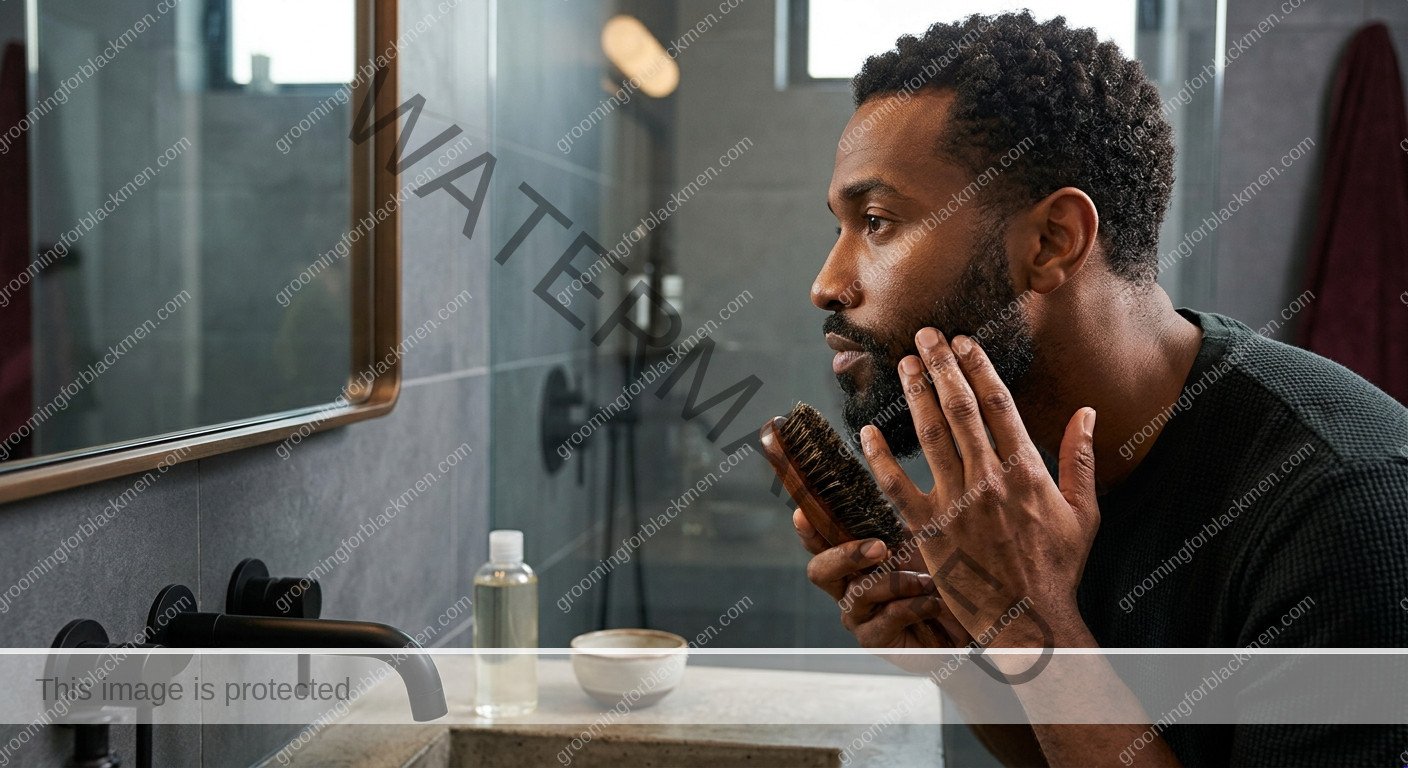
A waves or scalp routine has to work after the bathroom mirror, not just during the first ten minutes after brushing. Black men often have to balance dense curls, scalp comfort, haircut timing, durag habits, sweat, product buildup, and the pressure to keep the pattern looking clean every day. That is why moisturize without buildup for black men needs a practical system instead of random brushing, heavy product, or panic changes whenever the pattern looks uneven.
Start by separating three questions. First, what is the hair doing It may be dry, overcoated, frizzy, compressed unevenly, or not trained enough yet. Second, what is the scalp doing Tightness, flakes, itching, or soreness usually means the routine needs gentler cleansing, cleaner tools, better rinsing, or less buildup. Third, what is your schedule doing If you work out, wear hats, sweat heavily, or sleep without consistent compression, your routine has to account for that reality.
The goal is not to force the hair into a pattern overnight. The goal is to create steady conditions: clean scalp, moisturized hair, consistent brushing direction, reasonable compression, and enough patience to let the curl pattern train over time. For many Black men, the mistake is not lack of effort. It is too much inconsistent effort: changing brushes every few days, adding more product when the scalp needs washing, or brushing aggressively until the scalp feels tender.
Tools matter, but standards matter more. A wave brush should match your hair length and texture. A durag or wave cap should hold the hair down without leaving painful lines. Wash day should clean the scalp without stripping it so hard that the hair feels brittle. Product should support moisture and control, not bury the scalp under a waxy layer. When those basics are consistent, the routine starts to feel less like guesswork.
How to Audit Waves and Scalp Progress Without Overreacting

Audit the routine weekly, not every hour. Look at whether the pattern is becoming more consistent, whether the scalp feels calmer, whether flakes or itch are improving, and whether the hair still has movement after product. A clean routine should not make the scalp feel trapped. If the hair only looks controlled because it is stiff, greasy, or coated, the routine may be hiding a problem instead of solving it.
If progress stalls, change one variable at a time. Adjust brush firmness, brushing direction, wash frequency, compression time, or product amount separately so you can tell what helped. If the scalp becomes painful, inflamed, bleeding, or persistently flaky, pause aggressive styling and consider a dermatologist or qualified clinician. A polished look should not require ignoring discomfort. The best routine is the one that trains the hair while protecting the scalp underneath.
Real-Life Hair and Waves Scenarios for Moisturize Without Buildup for Black Men

A waves or scalp routine has to work after the bathroom mirror, not just during the first ten minutes after brushing. Black men often have to balance dense curls, scalp comfort, haircut timing, durag habits, sweat, product buildup, and the pressure to keep the pattern looking clean every day. That is why moisturize without buildup for black men needs a practical system instead of random brushing, heavy product, or panic changes whenever the pattern looks uneven.
Start by separating three questions. First, what is the hair doing It may be dry, overcoated, frizzy, compressed unevenly, or not trained enough yet. Second, what is the scalp doing Tightness, flakes, itching, or soreness usually means the routine needs gentler cleansing, cleaner tools, better rinsing, or less buildup. Third, what is your schedule doing If you work out, wear hats, sweat heavily, or sleep without consistent compression, your routine has to account for that reality.
The goal is not to force the hair into a pattern overnight. The goal is to create steady conditions: clean scalp, moisturized hair, consistent brushing direction, reasonable compression, and enough patience to let the curl pattern train over time. For many Black men, the mistake is not lack of effort. It is too much inconsistent effort: changing brushes every few days, adding more product when the scalp needs washing, or brushing aggressively until the scalp feels tender.
Tools matter, but standards matter more. A wave brush should match your hair length and texture. A durag or wave cap should hold the hair down without leaving painful lines. Wash day should clean the scalp without stripping it so hard that the hair feels brittle. Product should support moisture and control, not bury the scalp under a waxy layer. When those basics are consistent, the routine starts to feel less like guesswork.
How to Audit Waves and Scalp Progress Without Overreacting
Audit the routine weekly, not every hour. Look at whether the pattern is becoming more consistent, whether the scalp feels calmer, whether flakes or itch are improving, and whether the hair still has movement after product. A clean routine should not make the scalp feel trapped. If the hair only looks controlled because it is stiff, greasy, or coated, the routine may be hiding a problem instead of solving it.
If progress stalls, change one variable at a time. Adjust brush firmness, brushing direction, wash frequency, compression time, or product amount separately so you can tell what helped. If the scalp becomes painful, inflamed, bleeding, or persistently flaky, pause aggressive styling and consider a dermatologist or qualified clinician. A polished look should not require ignoring discomfort. The best routine is the one that trains the hair while protecting the scalp underneath.
Why Moisturizing Without Buildup Matters for Black Men
Black men’s hair and scalp have unique needs. Our hair tends to be drier by nature, with tight curls or coils that make it harder for natural oils to travel down the hair shaft. That’s why moisture is critical. But the same products that promise hydration can easily lead to buildup-especially if they’re heavy, oil-based, or not formulated for our texture.
Buildup isn’t just an aesthetic problem. It can:
- Clog pores and hair follicles, leading to irritation or even breakouts along the hairline or scalp
- Weigh hair down, making 360 waves look flat or curls lose their shape
- Trap dirt and sweat, causing odor or dullness
- Block moisture from penetrating, leading to dryness beneath the surface
For Black men, especially those with rich brown skin and coarse or curly hair, the wrong approach can mean fighting dryness and buildup at the same time. The right routine keeps your hair and scalp hydrated, clean, and healthy-without that greasy, heavy feel.
What Usually Goes Wrong: Common Causes of Buildup
Most buildup issues come down to a few predictable mistakes. Understanding these will help you avoid them in your routine:
- Heavy, oil-based products: Many “moisturizers” are packed with thick oils and butters. These can sit on top of the hair and scalp, especially if not properly emulsified or if used in excess.
- Layering too many products: Applying leave-in, oil, pomade, and styling cream all at once That’s a recipe for buildup, especially if you’re not washing frequently enough.
- Infrequent cleansing: Skipping wash day or using only co-washes can leave residue behind, especially if you use heavy products or sweat a lot.
- Improper rinsing: Not thoroughly rinsing out conditioners or cleansers can leave film and residue that builds up over time.
- Using the wrong products for your hair type: Products not formulated for coarse or curly hair may not penetrate or may simply coat the surface.
- Not adjusting for your environment: Humid climates, hard water, or frequent workouts can all affect how much product you need and how often you should cleanse.
Recognizing these pitfalls is the first step to building a routine that keeps your hair and scalp truly healthy.
What to Do Instead: A Disciplined Moisturizing Routine
Moisturizing without buildup is about balance and consistency-not overloading your hair, but not starving it either. Here’s a practical, step-by-step approach:
1. Start with Clean Hair and Scalp
Moisture can’t penetrate if there’s a layer of old product or sweat in the way. Use a gentle, sulfate-free shampoo or a cleansing co-wash designed for Black men. Wash at least once a week, or more often if you use heavy products, sweat daily, or live in a humid climate. For more on wash day routines, see our Waves Wash Day Guide.
2. Choose Lightweight, Water-Based Moisturizers
Look for products where water is the first ingredient. Lightweight leave-ins and moisturizers hydrate without weighing down your hair or clogging your scalp. Avoid products loaded with petrolatum, mineral oil, or heavy butters as primary ingredients-these tend to sit on top rather than absorb.
3. Apply in Moderation
Less is more. Start with a small amount, work it through your hair and scalp, and add more only if needed. Focus on dry areas, but don’t overdo it. If you’re working on 360 waves, brush the product in with a quality wave brush to distribute evenly-see our Wave Brush Selection Guide for tips.
4. Seal with a Light Oil (Optional)
If your hair is extremely dry, you can use a small amount of a lightweight oil (like jojoba or argan) to seal in moisture. Apply only to the hair, not the scalp, and avoid heavy-handed application.
5. Protect at Night
Use a satin or silk durag, wave cap, or pillowcase to reduce moisture loss and prevent friction. For a breakdown of the best options, check out our Durag vs Wave Cap Guide.
6. Adjust for Your Lifestyle
If you work out daily, live in a humid area, or wear hats often, you may need to cleanse and moisturize more frequently. Listen to your hair and scalp-if it feels greasy, heavy, or itchy, it’s time to clarify and reset.
7. Be Realistic About Your Routine
Consistency beats perfection. If your schedule is unpredictable, focus on the basics: cleanse, moisturize, protect. Don’t chase every trend or overload your shelf with products. A disciplined, minimal approach is often more effective and sustainable.
Real-Life Scenarios: Applying the Routine
Let’s break down how this looks in everyday life, whether you’re rocking a fade, growing a full afro, or chasing deep 360 waves.
Scenario 1: The Busy Professional with a Low Cut
You keep a close cut for a sharp, professional look. Sweat and city grime build up fast, but you don’t want to dry out your scalp. Stick to a weekly wash with a gentle cleanser, apply a water-based moisturizer every 2-3 days, and use a satin pillowcase to protect at night. Skip heavy oils-your scalp needs to breathe.
Scenario 2: The Wave King
Your brush game is strong, but buildup can flatten your pattern. After every wash, apply a lightweight leave-in, brush thoroughly, and lock in with a satin durag. Clarify every 2-3 weeks to keep your wave pattern crisp. For more advanced wave care, see our 360 Waves Guide.
Scenario 3: The Natural with a Full Crown
You’re growing your hair out and want defined curls without flakes or greasy roots. Wash weekly, use a water-based leave-in, and finger-detangle to distribute product. Seal ends with a light oil if needed. If you notice dullness or flakes, clarify and scale back on product layers.
Scenario 4: The Gym Regular
Daily workouts mean sweat and salt can dry out your scalp. Rinse with water midweek if needed, and use a lightweight moisturizer after. Avoid piling on product-focus on cleansing and protecting your hair at night.
Product and Tool Criteria: What to Look For
Not all moisturizers are created equal. Here’s what to look for when choosing products and tools for your routine:
- Water-based formulas: “Aqua” or “water” should be the first ingredient. These absorb better and are less likely to cause buildup.
- Lightweight, non-comedogenic oils: Jojoba, grapeseed, or argan oils are less likely to clog pores than heavier oils or butters.
- No heavy waxes or petrolatum: Avoid ingredients like petrolatum, mineral oil, or lanolin high on the list-they tend to sit on the surface and attract dirt.
- Humectants for hydration: Glycerin, aloe vera, or panthenol help draw moisture into the hair without weighing it down.
- Fragrance and sensitivity: If your scalp is sensitive, look for fragrance-free or hypoallergenic options.
- Tools: Use a quality wave brush for even distribution, and a satin or silk durag or cap for protection.
GFBM may earn a small commission from qualifying purchases, but product examples are included to clarify criteria, not to promise results.
- For a lightweight hair moisturizer for Black men, see options here: Amazon search
- For a water based leave in conditioner, browse here: Amazon search
- If you need a scalp moisturizer for Black men, check here: Amazon search
How to Read Ingredient Labels
Don’t get caught by flashy marketing. Flip the bottle and check the first five ingredients. Water should lead the list, followed by humectants or lightweight oils. Avoid products where petrolatum, mineral oil, or waxes show up early. If you see “cones” (like dimethicone) or heavy butters high up, use sparingly and clarify regularly.
Essential Tools for Moisturizing Without Buildup
- Wave brush: For even product distribution and wave training.
- Satin/silk durag or cap: Locks in moisture, prevents friction, and preserves style.
- Wide-tooth comb or detangling brush: For longer styles, helps distribute product without breakage.
- Spray bottle: Fill with water or a diluted leave-in for quick refreshes between washes.
Step-by-Step: Building Your Moisturizing Routine
- Cleanse: Wash your hair and scalp with a gentle, sulfate-free shampoo or co-wash. Rinse thoroughly to remove all residue. Frequency depends on your lifestyle-weekly is a solid baseline.
- Condition: Use a lightweight conditioner if your hair is longer or prone to dryness. Rinse out completely to avoid film.
- Moisturize: Apply a water-based leave-in or moisturizer. Start with a small amount and focus on dry areas. For waves, brush in the product to distribute evenly.
- Seal (optional): If needed, use a drop or two of a light oil on the hair (not scalp) to lock in moisture. Skip this step if your hair feels weighed down.
- Protect: At night, cover with a satin or silk durag, wave cap, or use a satin pillowcase. This prevents moisture loss and keeps your style sharp.
- Clarify: Every 2-4 weeks, use a clarifying shampoo to remove buildup. Follow with a lightweight moisturizer.
Routine Logic: How to Know When to Adjust
- If your hair feels dry: Increase moisturizing frequency, but keep products light.
- If your hair feels greasy or limp: Cut back on product, clarify, and focus on water-based formulas.
- If your scalp is itchy or flaky: Cleanse more often and avoid heavy oils on the scalp.
- If your style isn’t holding: Reassess your product layering and nighttime protection.
Troubleshooting: When Moisturizing Goes Wrong
Even with a disciplined routine, issues can come up. Here’s how to troubleshoot:
- Hair feels greasy or heavy: You’re likely using too much product or one that’s too heavy. Clarify with a gentle shampoo, then switch to a lighter moisturizer.
- Scalp feels itchy or flaky: Buildup can cause irritation. Cleanse thoroughly and use a lightweight, water-based scalp moisturizer. Avoid scratching or digging at the scalp.
- Waves or curls look dull: Product residue can block shine. Clarify, then use a small amount of leave-in and brush through for even distribution.
- Persistent irritation, pain, or infection: If you notice redness, swelling, pain, pus, or scarring, don’t try to fix it at home. See a dermatologist or qualified clinician for assessment and care.
For more on troubleshooting specific wave or scalp issues, see our Waves Troubleshooting Guide.
Frequently Asked Questions
How often should I moisturize my hair and scalp to avoid buildup
For most Black men, moisturizing every 2-3 days is enough. If your hair is very dry or you wash frequently, you may need to moisturize daily. The key is to use lightweight, water-based products and avoid piling on layers. If your hair feels greasy or heavy, cut back and clarify as needed.
What’s the best way to apply moisturizer for 360 waves without causing buildup
Apply a small amount of water-based moisturizer after washing or rinsing. Brush it in with a quality wave brush to distribute evenly. Avoid heavy pomades or butters, and use a satin or silk durag to lock in moisture overnight. For more on wave care, see our 360 Waves Guide.
Can I use oils to moisturize my scalp, or will that cause buildup
Light oils like jojoba or argan can help seal in moisture, but they shouldn’t be your primary moisturizer. Apply sparingly, and focus on the hair rather than the scalp to avoid clogging pores. If your scalp is dry, use a water-based scalp moisturizer instead.
How do I know if a product is causing buildup
Signs of buildup include greasy or sticky hair, dull appearance, flakes that don’t look like dandruff, or a scalp that feels coated. If you notice these, clarify with a gentle shampoo and switch to lighter, water-based products.
What ingredients should I avoid to prevent buildup
Avoid products with petrolatum, mineral oil, lanolin, or heavy waxes high on the ingredient list. Stick to water-based moisturizers with lightweight oils and humectants like glycerin or aloe vera.
Is it necessary to clarify my hair and scalp If so, how often
Yes, clarifying is important to remove product residue and keep your scalp healthy. Use a gentle, sulfate-free clarifying shampoo every 2-4 weeks, or more often if you notice buildup. Always follow with a lightweight moisturizer.
When should I see a dermatologist or clinician about scalp or hair issues
If you have pain, infection, spreading irritation, scarring, or persistent problems that don’t improve with routine care, see a dermatologist or qualified clinician. Don’t try to treat severe issues at home-professional care is the safest approach.
What to Do Next
Building a routine that moisturizes without buildup is about consistency, smart product choices, and listening to your hair and scalp. Start by simplifying your routine: cleanse regularly, use lightweight, water-based moisturizers, and protect your hair at night. If you’re serious about wave care, check out our 360 Waves Guide and Waves Wash Day Guide for more advanced tips.
For a full breakdown of scalp and hair care, visit the Hair & Scalp Health Guide. If you run into persistent issues, don’t hesitate to consult a professional. Discipline and premium care are the foundation of lasting results-no shortcuts, no hype, just real grooming for Black men.