
Commercial Hair Products for Black Men: Practical Grooming Guide
Finding the right commercial hair products as a Black man isn?t about chasing trends or miracle claims?it?s about understanding your hair?s unique needs, respecting your scalp, and building a routine that fits your lifestyle. Whether you?re working on 360 waves, keeping a short fade sharp, or growing out a full afro, the products you choose can make or break your grooming results. The reality: most mainstream hair products aren?t formulated for coarse, curly, or tightly coiled hair, and the wrong ingredients can leave your hair dry, your scalp irritated, or your style falling flat.
This guide is built for Black men who want practical, premium grooming?not empty promises. We?ll break down what matters in commercial hair products, what to avoid, and how to build a routine that actually works for your hair and scalp. If you?re tired of trial and error, or just want to stop wasting money on products that don?t deliver, you?re in the right place.
For a deeper dive into hair and scalp health, see our Hair and Scalp Health Guide. This article focuses on commercial products: what?s worth your time, what?s not, and how to use them for real results. No hype, no stereotypes?just grounded advice for Black men who take grooming seriously.
Real-Life Hair and Waves Scenarios for Commercial Hair Products for Black Men
A waves or scalp routine has to work after the bathroom mirror, not just during the first ten minutes after brushing. Black men often have to balance dense curls, scalp comfort, haircut timing, durag habits, sweat, product buildup, and the pressure to keep the pattern looking clean every day. That is why commercial hair products for black men needs a practical system instead of random brushing, heavy product, or panic changes whenever the pattern looks uneven.
Start by separating three questions. First, what is the hair doing It may be dry, overcoated, frizzy, compressed unevenly, or not trained enough yet. Second, what is the scalp doing Tightness, flakes, itching, or soreness usually means the routine needs gentler cleansing, cleaner tools, better rinsing, or less buildup. Third, what is your schedule doing If you work out, wear hats, sweat heavily, or sleep without consistent compression, your routine has to account for that reality.
The goal is not to force the hair into a pattern overnight. The goal is to create steady conditions: clean scalp, moisturized hair, consistent brushing direction, reasonable compression, and enough patience to let the curl pattern train over time. For many Black men, the mistake is not lack of effort. It is too much inconsistent effort: changing brushes every few days, adding more product when the scalp needs washing, or brushing aggressively until the scalp feels tender.
Tools matter, but standards matter more. A wave brush should match your hair length and texture. A durag or wave cap should hold the hair down without leaving painful lines. Wash day should clean the scalp without stripping it so hard that the hair feels brittle. Product should support moisture and control, not bury the scalp under a waxy layer. When those basics are consistent, the routine starts to feel less like guesswork.
How to Audit Waves and Scalp Progress Without Overreacting
Audit the routine weekly, not every hour. Look at whether the pattern is becoming more consistent, whether the scalp feels calmer, whether flakes or itch are improving, and whether the hair still has movement after product. A clean routine should not make the scalp feel trapped. If the hair only looks controlled because it is stiff, greasy, or coated, the routine may be hiding a problem instead of solving it.
If progress stalls, change one variable at a time. Adjust brush firmness, brushing direction, wash frequency, compression time, or product amount separately so you can tell what helped. If the scalp becomes painful, inflamed, bleeding, or persistently flaky, pause aggressive styling and consider a dermatologist or qualified clinician. A polished look should not require ignoring discomfort. The best routine is the one that trains the hair while protecting the scalp underneath.
Real-Life Hair and Waves Scenarios for Commercial Hair Products for Black Men
A waves or scalp routine has to work after the bathroom mirror, not just during the first ten minutes after brushing. Black men often have to balance dense curls, scalp comfort, haircut timing, durag habits, sweat, product buildup, and the pressure to keep the pattern looking clean every day. That is why commercial hair products for black men needs a practical system instead of random brushing, heavy product, or panic changes whenever the pattern looks uneven.
Start by separating three questions. First, what is the hair doing It may be dry, overcoated, frizzy, compressed unevenly, or not trained enough yet. Second, what is the scalp doing Tightness, flakes, itching, or soreness usually means the routine needs gentler cleansing, cleaner tools, better rinsing, or less buildup. Third, what is your schedule doing If you work out, wear hats, sweat heavily, or sleep without consistent compression, your routine has to account for that reality.
The goal is not to force the hair into a pattern overnight. The goal is to create steady conditions: clean scalp, moisturized hair, consistent brushing direction, reasonable compression, and enough patience to let the curl pattern train over time. For many Black men, the mistake is not lack of effort. It is too much inconsistent effort: changing brushes every few days, adding more product when the scalp needs washing, or brushing aggressively until the scalp feels tender.
Tools matter, but standards matter more. A wave brush should match your hair length and texture. A durag or wave cap should hold the hair down without leaving painful lines. Wash day should clean the scalp without stripping it so hard that the hair feels brittle. Product should support moisture and control, not bury the scalp under a waxy layer. When those basics are consistent, the routine starts to feel less like guesswork.
How to Audit Waves and Scalp Progress Without Overreacting
Audit the routine weekly, not every hour. Look at whether the pattern is becoming more consistent, whether the scalp feels calmer, whether flakes or itch are improving, and whether the hair still has movement after product. A clean routine should not make the scalp feel trapped. If the hair only looks controlled because it is stiff, greasy, or coated, the routine may be hiding a problem instead of solving it.
If progress stalls, change one variable at a time. Adjust brush firmness, brushing direction, wash frequency, compression time, or product amount separately so you can tell what helped. If the scalp becomes painful, inflamed, bleeding, or persistently flaky, pause aggressive styling and consider a dermatologist or qualified clinician. A polished look should not require ignoring discomfort. The best routine is the one that trains the hair while protecting the scalp underneath.
Why This Matters for Black Men
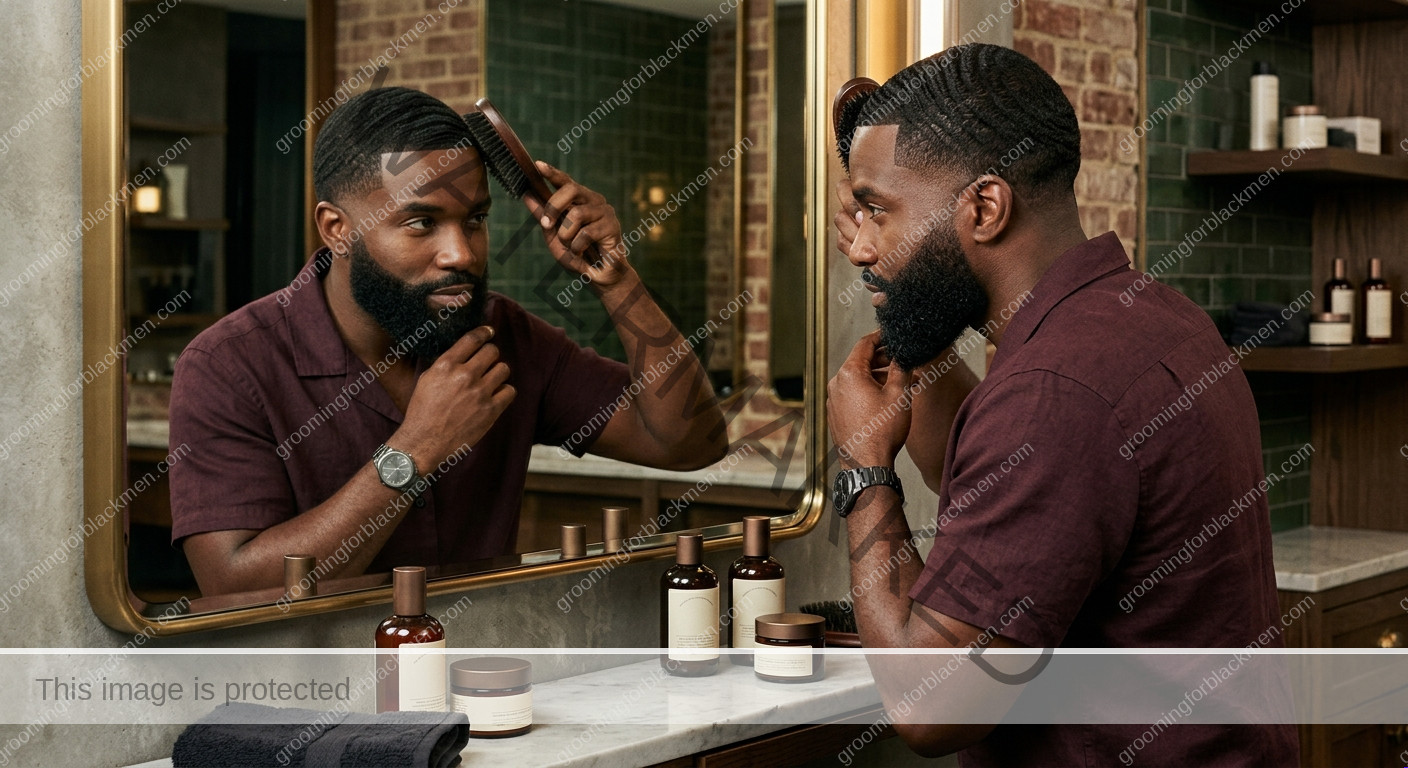
Black men?s hair is structurally different?tighter curls, more fragile strands, and a natural tendency toward dryness. Our scalps can be just as unique, with a higher risk for irritation, buildup, and ingrown hairs, especially if you keep your hair short or wear waves. Commercial hair products are often designed for straight or wavy hair, loaded with harsh detergents, heavy alcohols, or ingredients that strip away moisture. The result: dryness, breakage, flakes, and styles that don?t last.
Choosing the right products isn?t just about looking good?it?s about protecting your hair and scalp from damage. A disciplined grooming routine supports your hair?s natural texture, keeps your scalp healthy, and makes styles like waves, curls, or fades easier to maintain. The right commercial products can help you:
- Retain moisture and prevent breakage
- Reduce scalp irritation and flaking
- Keep styles like 360 waves sharp and defined
- Minimize product buildup and clogged follicles
- Support healthy hair growth and a clean look
For more on the fundamentals, check our hair and scalp health guide.
What Usually Goes Wrong
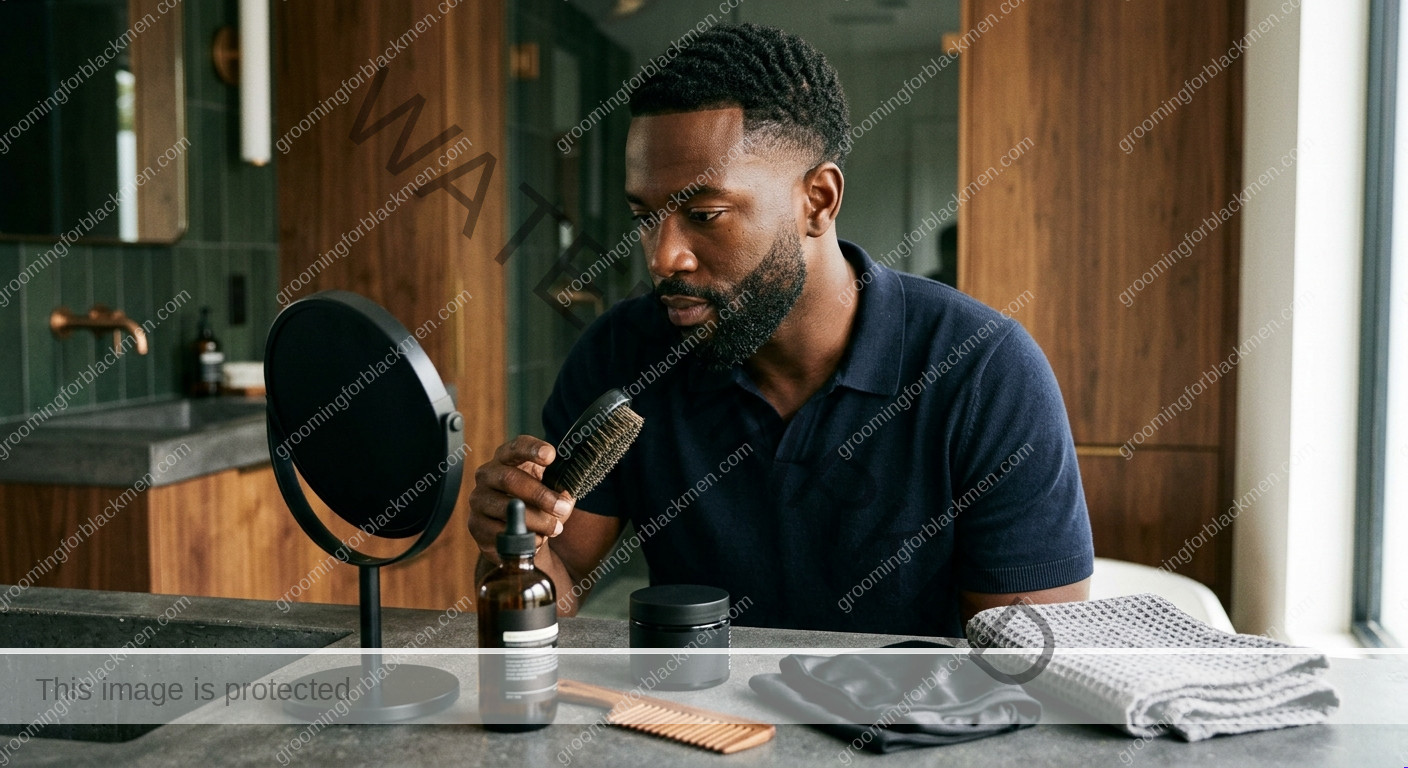
Most Black men have tried commercial hair products that promise the world but fall short. Here?s what typically goes wrong:
- Dryness and Breakage: Shampoos with sulfates or heavy alcohols strip away natural oils, leaving hair brittle and prone to snapping.
- Product Buildup: Heavy creams, waxes, or gels can clog pores and leave residue, especially if not formulated for curly or coarse hair.
- Scalp Irritation: Fragrances, harsh preservatives, and certain oils can trigger itching, flaking, or bumps?especially after a fresh cut or shave.
- Flaky Waves or Faded Styles: Poor moisture balance and buildup can make waves lose definition or leave fades looking dull.
- Ingrown Hairs and Follicle Issues: Buildup and irritation can worsen ingrowns, especially along the hairline or beard area.
Many commercial products are made for straight hair, not for the structure and needs of Black men?s hair and scalp. Even ?ethnic? or ?for men of color? labels can be misleading?always check the ingredients and understand what your hair actually needs.
What to Do Instead

Building a practical grooming routine means choosing products that work with your hair, not against it. Here?s how to approach commercial hair products as a Black man:
- Prioritize Moisture: Look for shampoos, conditioners, and stylers with hydrating ingredients like shea butter, coconut oil, glycerin, aloe vera, or jojoba oil. Avoid harsh sulfates and drying alcohols.
- Keep It Clean, Not Stripped: Wash your hair regularly, but not daily?overwashing can dry out curls and scalp. Use a gentle, sulfate-free shampoo and a clarifying shampoo only as needed to remove buildup.
- Condition Every Time: Never skip conditioner. For extra moisture, use a leave-in conditioner after washing, especially if you keep your hair short or wear waves.
- Style with Purpose: Use lightweight creams, pomades, or gels made for curly or coarse hair. Avoid heavy petroleum or mineral oil-based products that can clog pores.
- Protect at Night: Cover your hair with a durag, wave cap, or satin bonnet to lock in moisture and prevent friction (see our durag vs wave cap guide).
- Brush and Maintain: Use a quality wave brush or detangling brush that matches your hair length and curl pattern (see our wave brush selection guide).
Consistency is key. A disciplined routine with the right products will keep your hair and scalp healthy, your style sharp, and your confidence high.
Understanding Your Hair and Scalp: The Foundation
Before you invest in any commercial hair product, get clear on your hair type and scalp needs. Black men?s hair usually falls into the Type 3 (curly) or Type 4 (coily/kinky) categories, but there?s a spectrum. The tighter the curl, the more prone it is to dryness and breakage. Your scalp may be oily, dry, sensitive, or prone to buildup. Knowing your baseline helps you pick products that address your specific challenges, not just generic ?for men? promises.
For a full breakdown of curl types and scalp concerns, see our hair and scalp health guide. Understanding your hair?s porosity?how well it absorbs and retains moisture?also shapes your product choices. High-porosity hair needs heavier creams and oils, while low-porosity hair does better with lightweight, water-based formulas.
Step-by-Step Routine Logic: Building a Commercial Product Routine
Every effective grooming routine for Black men has a logical flow?cleanse, condition, moisturize, style, and protect. Here?s how to build your own, using commercial products that respect your hair?s structure and your lifestyle:
1. Cleansing: Shampooing the Right Way
Start with a sulfate-free shampoo, focusing on your scalp. Massage gently with your fingertips (not nails) to lift dirt and buildup. Don?t pile hair on top of your head; let the lather run down as you rinse. For heavy sweat or product use, rinse with water midweek and clarify every 2-4 weeks. If you rock a fade or keep your hair short, pay special attention to the hairline and nape?these areas trap sweat and product easily.
2. Conditioning: Non-Negotiable Moisture
After every wash, apply a rich conditioner from root to tip. Use a wide-tooth comb or your fingers to detangle gently while the conditioner is in. Leave it on for at least 3-5 minutes. For extra dry or coarse hair, try a deep conditioner once a week. Don?t rush this step?conditioning is where your hair gets the moisture and slip it needs to resist breakage.
3. Leave-In Conditioner: Daily Hydration
Leave-in conditioners are essential for Black men, especially if you wear waves, curls, or a short cut. Apply a small amount to damp hair after washing, or use daily on dry hair to refresh moisture. Focus on the ends and areas that feel driest. Lightweight, non-greasy formulas work best for most styles.
4. Styling: Creams, Pomades, and Gels
Choose styling products based on your desired look and hair length. For waves, a water-based pomade or cream helps define and hold without clogging pores. For curls or afros, use a curl cream or light gel to enhance definition and control frizz. Avoid heavy, petroleum-based products?they can suffocate your scalp and encourage buildup. If you need hold, layer a small amount of gel over your cream, but don?t overdo it.
5. Night Protection: Locking in Results
Nighttime protection is non-negotiable. Use a satin or silk durag, wave cap, or bonnet to prevent friction, retain moisture, and keep your style sharp. Cotton pillowcases can dry out hair and cause breakage. For more, see our durag vs wave cap guide.
6. Tools: Brushes, Combs, and Maintenance
Match your tools to your hair?s needs. For waves, a medium or soft boar bristle brush is ideal for training and laying down curls. For longer hair, use a wide-tooth comb or detangling brush to prevent breakage. Clean your tools weekly with warm water and gentle soap to avoid product buildup and bacteria.
Product and Tool Criteria: What to Look For
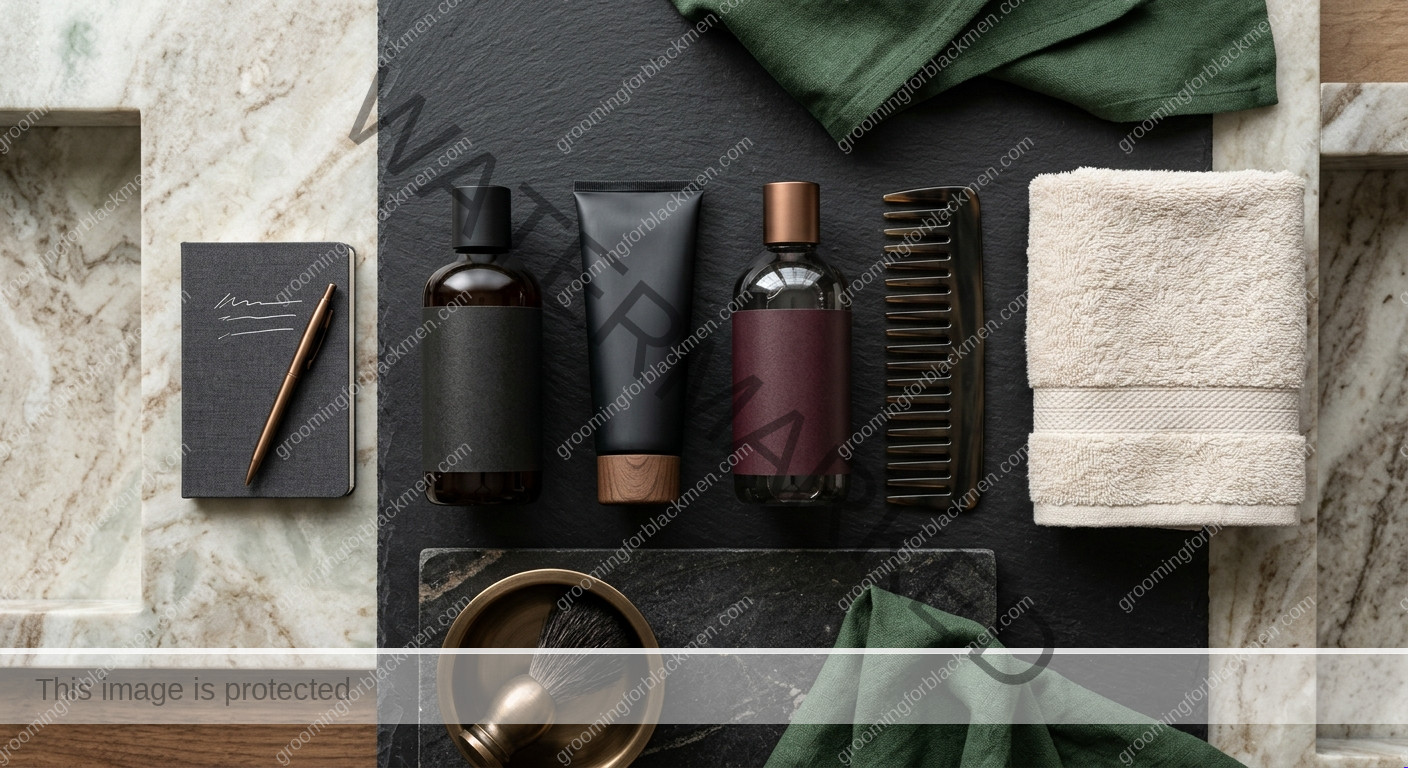
As an affiliate site, GFBM may earn from qualifying purchases through product links.
Not all commercial hair products are created equal. Here?s what to look for?and what to avoid?when shopping for shampoos, conditioners, and stylers:
- Sulfate-Free Shampoos: Sulfates are harsh detergents that strip natural oils. Choose sulfate-free formulas designed for curly or coarse hair.
Example: Sulfate free shampoo for curly hair (Amazon search) - Moisturizing Conditioners: Look for rich, creamy conditioners with shea butter, coconut oil, or glycerin. Avoid heavy silicones or waxes that can cause buildup.
- Leave-In Conditioners: Essential for daily moisture, especially for short hair, waves, or curls. Lightweight, non-greasy formulas work best.
Example: Leave in conditioner for Black men (Amazon search) - Clarifying Shampoos: Use once every 2-4 weeks to remove heavy buildup, especially if you use pomades or gels. Don?t overuse?clarifiers can be drying.
Example: Clarifying shampoo for Black men (Amazon search) - Styling Creams and Pomades: Choose water-based, non-petroleum formulas. Look for products made for curly or coarse hair, with natural oils and butters.
- Brushes and Tools: For waves, a medium or soft boar bristle brush is ideal. For longer curls, use a wide-tooth comb or detangling brush. Clean your tools regularly to avoid buildup and scalp irritation.
GFBM may earn a small commission from qualifying purchases, but product examples are included to clarify criteria, not to promise results.
Real-Life Scenarios: Choosing and Using Commercial Products
Let?s break down some everyday grooming scenarios and how to make smart product choices:
Scenario 1: Maintaining a Fresh Fade
If you keep your hair close-cropped, you?re exposing your scalp more often. This means dryness and irritation can show up quickly. Choose a gentle, sulfate-free shampoo and a lightweight leave-in conditioner. Avoid heavy pomades that can clog pores along the hairline. Use a soft brush to keep your fade sharp and flake-free. If you notice bumps after a cut, switch to fragrance-free products and see our razor bumps guide for more strategies.
Scenario 2: Building and Maintaining 360 Waves
Waves require discipline and the right product lineup. Start with a moisturizing shampoo, follow with a rich conditioner, and use a lightweight, water-based pomade for hold. Brush daily?morning and night?and always wear a durag to bed. If your waves start to lose definition, clarify your hair to remove buildup, then double down on moisture. See our 360 waves guide and waves wash day guide for full routines.
Scenario 3: Growing Out an Afro or Curls
Longer hair needs more moisture and gentle detangling. Use a creamy, hydrating conditioner and a curl cream to define your texture. Detangle in the shower with a wide-tooth comb. Avoid gels with alcohol or heavy waxes. Refresh your curls between washes with a water-based leave-in spray. Protect your hair at night with a satin bonnet or pillowcase.
Scenario 4: Scalp Bumps or Ingrown Hairs
If you?re prone to bumps along the hairline or beard, avoid pore-clogging products and heavy oils. Use a clarifying shampoo every few weeks and stick to lightweight, non-comedogenic stylers. Never pick at bumps?see a barber or dermatologist if irritation persists. For more, see our razor bumps guide.
Scenario 5: Dealing with Product Buildup
If your hair feels heavy, sticky, or dull, you?re likely dealing with buildup. Use a clarifying shampoo, but follow immediately with a deep conditioner to restore moisture. Review your product lineup?eliminate anything with heavy silicones, waxes, or petroleum. Clean your brushes and combs weekly to prevent reintroducing buildup.

Troubleshooting and When to Get Help
Even with the right products, issues can pop up. Here?s how to troubleshoot common problems?and when to see a professional:
- Persistent Dryness: Make sure you?re using a sulfate-free shampoo, conditioning after every wash, and applying a leave-in. If dryness continues, check for hidden alcohols or silicones in your products.
- Flaking or Itching: Reduce product buildup by clarifying every few weeks. If flakes or irritation persist, switch to fragrance-free or hypoallergenic products.
- Loss of Wave Definition: Revisit your brushing routine and moisture balance. See our waves troubleshooting guide for more tips.
- Scalp Bumps or Ingrown Hairs: Avoid heavy, pore-clogging products. Don?t dig at bumps or ingrowns?this can cause infection or scarring. If irritation is painful, infected, spreading, or persistent, see a dermatologist or qualified clinician.
- Product Not Working: Give new products at least 2-4 weeks to see results. If there?s no improvement, try a different formula or consult a barber who understands Black men?s hair.
Never use harsh DIY methods, undiluted essential oils, or aggressive scrubbing on your scalp. For ongoing or severe issues, professional help is the best move.
Frequently Asked Questions
How often should Black men wash their hair with commercial products
Most Black men do best washing their hair once or twice a week with a sulfate-free shampoo. Daily washing can strip natural oils and cause dryness. If you sweat heavily or use a lot of styling products, rinse with water between washes and clarify every 2-4 weeks.
What ingredients should Black men avoid in commercial hair products
Avoid sulfates (like sodium lauryl sulfate), drying alcohols (like isopropyl alcohol), heavy mineral oil, petroleum, and artificial fragrances if you?re prone to irritation. These ingredients can dry out hair, clog pores, and trigger scalp issues.
Are commercial products better than natural or DIY options for Black men?s hair?
Commercial products can be more consistent and safer than harsh DIY mixes, especially if you choose formulas made for curly or coarse hair. Look for products with clear ingredient lists, and avoid homemade treatments that use undiluted essential oils or harsh chemicals.
How can I tell if a commercial product is actually working for my hair
Healthy hair feels soft, looks defined, and doesn?t break easily. Your scalp should feel comfortable, not itchy or flaky. Give new products 2-4 weeks to see real results. If you notice dryness, buildup, or irritation, switch it up.
What?s the best way to maintain 360 waves with commercial products?
Use a sulfate-free shampoo, a moisturizing conditioner, and a lightweight leave-in. Brush daily with a quality wave brush, and protect your waves at night with a durag or wave cap. For more, see our 360 waves guide and waves wash day guide.
Can commercial products cause scalp irritation or bumps
Yes?products with harsh detergents, strong fragrances, or pore-clogging ingredients can irritate the scalp or worsen ingrown hairs. If you notice pain, infection, spreading, or scarring, see a dermatologist or qualified clinician.
Should I use different products for my beard and my scalp hair
Yes. Beard hair is often coarser and needs extra moisture. Use beard-specific oils or balms, and avoid using scalp hair products on your face unless they?re labeled safe for both. For persistent beard irritation or bumps, consult a professional.
What to Do Next
Grooming for Black men is about discipline, knowledge, and respect for your hair?s unique needs. Start by reviewing your current products?check the ingredient lists, and swap out anything with harsh sulfates, drying alcohols, or heavy petroleum. Build a routine around moisture, gentle cleansing, and consistent protection. If you?re focused on waves, see our 360 waves guide and waves wash day guide for step-by-step routines. For overall scalp and hair health, revisit our hair and scalp health guide.
If you run into persistent issues?painful bumps, spreading irritation, or stubborn dryness?don?t tough it out. See a barber who understands Black men?s hair, or consult a dermatologist. Your grooming routine should work for you, not against you. Stay disciplined, stay informed, and your hair and scalp will thank you.