
Between Cut Maintenance for Black Men: Practical Grooming Guide
Every Black man knows the feeling: you leave the barber’s chair looking sharp, but within a week or two, your cut starts to lose its edge. Whether you’re keeping a fade crisp, maintaining 360 waves, or just trying to keep your hair and scalp healthy between appointments, the time between cuts can be a test of discipline and skill. This isn’t about chasing perfection or unrealistic standards. It’s about respecting your look, your hair’s unique needs, and your own standards of self-care.
Between cut maintenance for Black men is more than just brushing or throwing on a durag. It’s about understanding your hair’s texture, your scalp’s health, and the practical steps that keep you looking and feeling your best. If you’re dealing with rich brown skin, coarse or curly hair, and real-life routines, this guide is built for you. No hype, no shame, no empty promises-just grounded, culturally aware advice that works in the real world.
We’ll break down why between cut maintenance matters, the common mistakes that set you back, and the disciplined routines and tools that actually deliver. You’ll find practical product criteria, troubleshooting tips, and clear answers to the most common questions. For a deeper dive into overall hair and scalp health, see our Hair & Scalp Health Guide.
Real-Life Hair and Waves Scenarios for Between Cut Maintenance for Black Men

A waves or scalp routine has to work after the bathroom mirror, not just during the first ten minutes after brushing. Black men often have to balance dense curls, scalp comfort, haircut timing, durag habits, sweat, product buildup, and the pressure to keep the pattern looking clean every day. That is why between cut maintenance for black men needs a practical system instead of random brushing, heavy product, or panic changes whenever the pattern looks uneven.
Start by separating three questions. First, what is the hair doing It may be dry, overcoated, frizzy, compressed unevenly, or not trained enough yet. Second, what is the scalp doing Tightness, flakes, itching, or soreness usually means the routine needs gentler cleansing, cleaner tools, better rinsing, or less buildup. Third, what is your schedule doing If you work out, wear hats, sweat heavily, or sleep without consistent compression, your routine has to account for that reality.
The goal is not to force the hair into a pattern overnight. The goal is to create steady conditions: clean scalp, moisturized hair, consistent brushing direction, reasonable compression, and enough patience to let the curl pattern train over time. For many Black men, the mistake is not lack of effort. It is too much inconsistent effort: changing brushes every few days, adding more product when the scalp needs washing, or brushing aggressively until the scalp feels tender.
Tools matter, but standards matter more. A wave brush should match your hair length and texture. A durag or wave cap should hold the hair down without leaving painful lines. Wash day should clean the scalp without stripping it so hard that the hair feels brittle. Product should support moisture and control, not bury the scalp under a waxy layer. When those basics are consistent, the routine starts to feel less like guesswork.
How to Audit Waves and Scalp Progress Without Overreacting

Audit the routine weekly, not every hour. Look at whether the pattern is becoming more consistent, whether the scalp feels calmer, whether flakes or itch are improving, and whether the hair still has movement after product. A clean routine should not make the scalp feel trapped. If the hair only looks controlled because it is stiff, greasy, or coated, the routine may be hiding a problem instead of solving it.
If progress stalls, change one variable at a time. Adjust brush firmness, brushing direction, wash frequency, compression time, or product amount separately so you can tell what helped. If the scalp becomes painful, inflamed, bleeding, or persistently flaky, pause aggressive styling and consider a dermatologist or qualified clinician. A polished look should not require ignoring discomfort. The best routine is the one that trains the hair while protecting the scalp underneath.
Real-Life Hair and Waves Scenarios for Between Cut Maintenance for Black Men
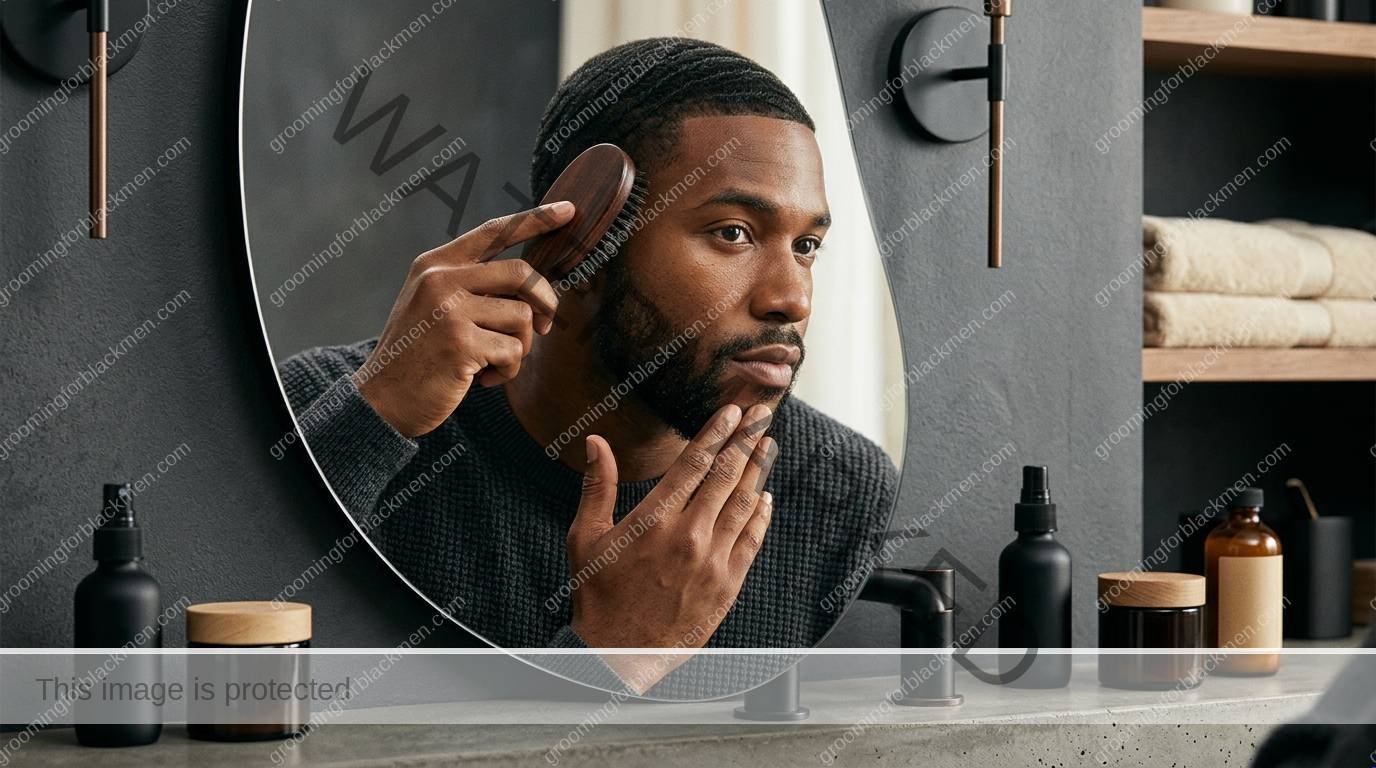
A waves or scalp routine has to work after the bathroom mirror, not just during the first ten minutes after brushing. Black men often have to balance dense curls, scalp comfort, haircut timing, durag habits, sweat, product buildup, and the pressure to keep the pattern looking clean every day. That is why between cut maintenance for black men needs a practical system instead of random brushing, heavy product, or panic changes whenever the pattern looks uneven.
Start by separating three questions. First, what is the hair doing It may be dry, overcoated, frizzy, compressed unevenly, or not trained enough yet. Second, what is the scalp doing Tightness, flakes, itching, or soreness usually means the routine needs gentler cleansing, cleaner tools, better rinsing, or less buildup. Third, what is your schedule doing If you work out, wear hats, sweat heavily, or sleep without consistent compression, your routine has to account for that reality.
The goal is not to force the hair into a pattern overnight. The goal is to create steady conditions: clean scalp, moisturized hair, consistent brushing direction, reasonable compression, and enough patience to let the curl pattern train over time. For many Black men, the mistake is not lack of effort. It is too much inconsistent effort: changing brushes every few days, adding more product when the scalp needs washing, or brushing aggressively until the scalp feels tender.
Tools matter, but standards matter more. A wave brush should match your hair length and texture. A durag or wave cap should hold the hair down without leaving painful lines. Wash day should clean the scalp without stripping it so hard that the hair feels brittle. Product should support moisture and control, not bury the scalp under a waxy layer. When those basics are consistent, the routine starts to feel less like guesswork.
How to Audit Waves and Scalp Progress Without Overreacting
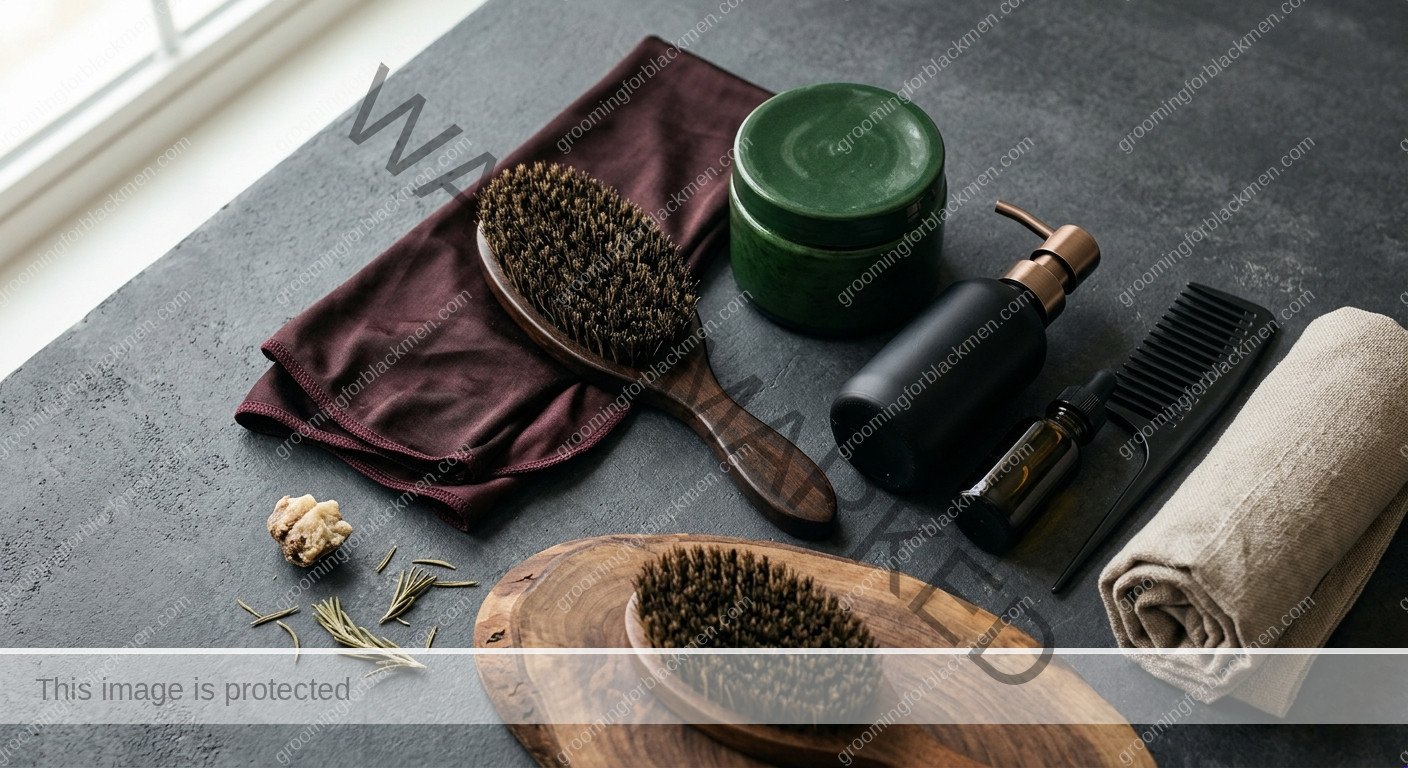
Audit the routine weekly, not every hour. Look at whether the pattern is becoming more consistent, whether the scalp feels calmer, whether flakes or itch are improving, and whether the hair still has movement after product. A clean routine should not make the scalp feel trapped. If the hair only looks controlled because it is stiff, greasy, or coated, the routine may be hiding a problem instead of solving it.
If progress stalls, change one variable at a time. Adjust brush firmness, brushing direction, wash frequency, compression time, or product amount separately so you can tell what helped. If the scalp becomes painful, inflamed, bleeding, or persistently flaky, pause aggressive styling and consider a dermatologist or qualified clinician. A polished look should not require ignoring discomfort. The best routine is the one that trains the hair while protecting the scalp underneath.
Real-Life Hair and Waves Scenarios for Between Cut Maintenance for Black Men

A waves or scalp routine has to work after the bathroom mirror, not just during the first ten minutes after brushing. Black men often have to balance dense curls, scalp comfort, haircut timing, durag habits, sweat, product buildup, and the pressure to keep the pattern looking clean every day. That is why between cut maintenance for black men needs a practical system instead of random brushing, heavy product, or panic changes whenever the pattern looks uneven.
Start by separating three questions. First, what is the hair doing It may be dry, overcoated, frizzy, compressed unevenly, or not trained enough yet. Second, what is the scalp doing Tightness, flakes, itching, or soreness usually means the routine needs gentler cleansing, cleaner tools, better rinsing, or less buildup. Third, what is your schedule doing If you work out, wear hats, sweat heavily, or sleep without consistent compression, your routine has to account for that reality.
The goal is not to force the hair into a pattern overnight. The goal is to create steady conditions: clean scalp, moisturized hair, consistent brushing direction, reasonable compression, and enough patience to let the curl pattern train over time. For many Black men, the mistake is not lack of effort. It is too much inconsistent effort: changing brushes every few days, adding more product when the scalp needs washing, or brushing aggressively until the scalp feels tender.
Tools matter, but standards matter more. A wave brush should match your hair length and texture. A durag or wave cap should hold the hair down without leaving painful lines. Wash day should clean the scalp without stripping it so hard that the hair feels brittle. Product should support moisture and control, not bury the scalp under a waxy layer. When those basics are consistent, the routine starts to feel less like guesswork.
How to Audit Waves and Scalp Progress Without Overreacting
Audit the routine weekly, not every hour. Look at whether the pattern is becoming more consistent, whether the scalp feels calmer, whether flakes or itch are improving, and whether the hair still has movement after product. A clean routine should not make the scalp feel trapped. If the hair only looks controlled because it is stiff, greasy, or coated, the routine may be hiding a problem instead of solving it.
If progress stalls, change one variable at a time. Adjust brush firmness, brushing direction, wash frequency, compression time, or product amount separately so you can tell what helped. If the scalp becomes painful, inflamed, bleeding, or persistently flaky, pause aggressive styling and consider a dermatologist or qualified clinician. A polished look should not require ignoring discomfort. The best routine is the one that trains the hair while protecting the scalp underneath.
Why This Matters for Black Men
Black men’s hair is unique-coarse, curly, and prone to dryness, it demands respect and a tailored approach. The time between cuts is where most damage or progress happens. Neglect can lead to dry scalp, breakage, ingrown hairs, and lost wave patterns. On the flip side, a disciplined routine between cuts can mean healthier hair, a cleaner look, and less stress at your next barber visit.
Between cut maintenance isn’t just about appearance. It’s about comfort, confidence, and protecting your investment in every barber visit. For those cultivating 360 waves, tight fades, or natural curls, the weeks between cuts are where your efforts show-or fall apart. This is also the time when scalp issues can creep in, especially if you’re using hats, durags, or helmets regularly.
Most importantly, the right routine honors your hair’s natural state and your personal style. It’s not about fighting your texture or chasing trends. It’s about discipline, self-respect, and showing up for yourself-day in, day out. For more on building a healthy relationship with your hair, see our Self-Care and Hair Guide.
What Usually Goes Wrong
Too many Black men fall into the same traps between cuts. Here’s what sets most guys back:
- Skipping Moisturizer: Coarse, curly hair dries out fast, especially after a fresh cut. Neglecting moisture leads to brittle hair, breakage, and a dull look.
- Over-brushing or Under-brushing: Going too hard with a brush can irritate the scalp and cause breakage, while not brushing enough lets patterns and shape fade.
- Improper Durag Use: Wearing a dirty durag, tying it too tight, or using the wrong fabric can cause breakage, scalp irritation, or even hair loss around the edges.
- Ignoring the Scalp: Product buildup, sweat, and neglect can lead to itchiness, flakes, and blocked follicles.
- DIY Lineups Gone Wrong: Trying to “fix” your hairline or fade with the wrong tools or technique can set you back weeks.
- Not Adjusting to Hair Growth: As hair grows out, the routine that worked right after a cut may not be enough. Failing to adapt leads to uneven growth and lost definition.
These mistakes aren’t about lack of effort-they’re about missing the right information and tools for our hair. For more on common wave mistakes, see our Waves Troubleshooting Guide.
What to Do Instead: Step-by-Step Between Cut Routine
Between cut maintenance for Black men is about discipline, not drama. Here’s a practical, step-by-step routine that respects your hair and your time. Adjust each step to your hair’s current length, scalp health, and lifestyle.
1. Moisturize Daily (or as needed)
Curly, coarse hair loses moisture quickly-especially after washing or exposure to sun, wind, or hats. Use a lightweight, non-greasy moisturizer designed for Black men. Apply to damp hair and scalp, focusing on dry areas. Don’t overload-too much product can cause buildup and weigh hair down. If your hair feels greasy or limp, cut back and clarify with a gentle wash.
Look for ingredients like shea butter, coconut oil, jojoba oil, or aloe vera. Avoid heavy mineral oil, petrolatum, and strong synthetic fragrances, which can irritate the scalp and clog pores. For more on choosing the right moisturizer, see our Moisturizer Selection Guide.
2. Brush with Intention
For 360 waves or short styles, brush daily with a quality wave brush. Use gentle, consistent strokes in the direction of your pattern. Don’t overdo it-5-10 minutes is enough for most. Over-brushing can irritate the scalp and cause breakage, while under-brushing lets your pattern fade. Adjust your brush type as hair grows: medium bristles for fresh cuts, soft bristles as it gets longer.
For more on choosing the right brush and technique, see our Wave Brush Selection Guide.
3. Protect Your Hair at Night
Wear a clean satin or silk durag or wave cap to lock in moisture and prevent friction. Cotton dries hair out and causes breakage. Wash your durag regularly-dirty fabric can cause breakouts and scalp irritation. If you sweat at night or work out in your durag, wash it more often. For a breakdown of durags vs. wave caps, read our Durag vs. Wave Cap Guide.
4. Wash and Condition Weekly
Don’t let sweat, product, and dirt build up. Wash your hair and scalp once a week with a sulfate-free shampoo and follow with a hydrating conditioner. For waves, use a brush session during your wash (see our Waves Wash Day Guide). If you work out daily or sweat heavily, consider a midweek rinse with water or a gentle co-wash to refresh your scalp without stripping natural oils.
5. Maintain Your Hairline-But Don’t Overdo It
If you must touch up your edges, use a trimmer with a guard and a steady hand. Don’t chase a perfect line-just clean up stray hairs. If you’re not confident, leave it for your barber. Over-shaping can lead to uneven growth and receding lines. If you want to learn more about at-home lineups, see our Lineup Maintenance Guide.
6. Adjust as Your Hair Grows
As your hair grows out, it needs more moisture and gentler handling. Switch to a softer brush, increase moisturizing, and pay attention to areas that get dry or tangled. If you notice uneven growth or lost definition, consider a mid-cycle shape-up from a trusted barber. Don’t force your hair into a style it’s outgrown-work with your texture and length.
7. Listen to Your Scalp
If you notice persistent itching, flakes, or irritation, cut back on products and avoid scratching. Switch to fragrance-free, gentle formulas. If symptoms don’t improve, see a dermatologist or qualified clinician. For more on scalp health, check our Scalp Care Guide.
Real-Life Scenarios: Applying the Routine
Every Black man’s lifestyle and hair routine is different. Here’s how to adapt your between cut maintenance to real-world situations:
- Active Lifestyle: If you work out daily or sweat a lot, rinse your scalp with water or use a gentle co-wash midweek. Always dry your hair thoroughly before tying on a durag to prevent mildew and scalp issues.
- Busy Mornings: Prep your hair at night-moisturize, brush, and tie down with a clean durag. In the morning, a quick brush and light moisturizer refresh your look.
- Travel or Long Gaps Between Cuts: Pack a travel-sized moisturizer, brush, and extra durags. If you can’t get to your barber, focus on keeping your hairline tidy and your scalp healthy, rather than chasing a sharp fade.
- Helmet or Hat Wearers: Wash your scalp more frequently and moisturize after removing headgear. Use a satin liner under hats or helmets to reduce friction and dryness.
For more on adapting your routine to your lifestyle, see our Lifestyle Grooming Guide.
Product and Tool Criteria
GFBM may earn a small commission from qualifying purchases, but product examples are included to clarify criteria, not to promise results.
- Wave Brush: Look for medium or soft bristles, a comfortable grip, and a size that fits your hand. Avoid stiff, cheap brushes that can scratch or break hair. See options at Amazon: Wave Brush for Black Men.
- Satin Durag: Choose satin or silk, not polyester blends. The ties should be wide and comfortable, not cutting into your skin. Wash after 2-3 wears. See options at Amazon: Satin Durag for Men.
- Hair Moisturizer: Pick a product free of heavy alcohols, mineral oil, or strong fragrances. Look for ingredients like shea butter, coconut oil, or aloe. See options at Amazon: Hair Moisturizer for Black Men.
For a deeper breakdown of product selection, see our Hair and Scalp Health Guide.
Troubleshooting and When to Get Help
Even with the best routine, issues can pop up. Here’s how to handle the most common problems:
- Dry, Flaky Scalp: Increase moisturizing and avoid harsh shampoos. If flakes persist or worsen, consult a dermatologist.
- Ingrown Hairs: Don’t dig or tweeze. Keep your scalp clean and use a soft brush. If ingrowns are painful, infected, or spreading, seek professional help.
- Lost Wave Pattern: Go back to basics: daily brushing, consistent moisturizing, and nightly durag wear. For stubborn cases, see our Waves Troubleshooting Guide.
- Breakage or Thinning: Cut back on heat, harsh products, and tight headwear. If you notice patches, scarring, or rapid thinning, see a qualified clinician.
- Persistent Itching or Irritation: Avoid scratching and switch to fragrance-free products. If symptoms don’t improve, get a professional evaluation.
Never ignore pain, infection, or spreading irritation. Early action protects your hair and scalp in the long run.
Frequently Asked Questions
How often should I moisturize my hair between cuts
Most Black men benefit from moisturizing daily or every other day, depending on hair dryness and product buildup. Adjust based on your hair’s needs, not a fixed schedule. If your scalp feels tight or your hair looks dull, add moisture. If you notice buildup or limpness, clarify and space out applications.
How do I keep my waves fresh between barber visits
Stick to daily brushing, consistent moisturizing, and nightly durag use. Wash your hair weekly and avoid over-brushing or heavy products that cause buildup. If your pattern starts to fade, revisit your brushing technique and make sure you’re not skipping steps. For more, see our 360 Waves Guide.
What’s the best way to prevent scalp itch and flakes
Use a gentle, sulfate-free shampoo and a hydrating conditioner once a week. Moisturize your scalp regularly and avoid scratching. If flakes persist, consult a dermatologist. For more on scalp care, see our Scalp Care Guide.
Can I do my own lineups at home
Light touch-ups with a trimmer and guard are fine if you have a steady hand. Avoid aggressive shaping or chasing a sharper line than your barber gave you. When in doubt, wait for your next appointment. For guidance, see our Lineup Maintenance Guide.
How tight should my durag be
Snug enough to stay on but not so tight it leaves deep lines or causes discomfort. If you wake up with headaches or marks, loosen it and choose a wider tie. The right fit protects your hair without sacrificing comfort.
What if my hair feels dry even after moisturizing
Check your product ingredients-avoid heavy alcohols or mineral oil. Try sealing in moisture with a light oil after applying your moisturizer. Make sure you’re not over-washing or using harsh shampoos. If dryness persists, revisit your routine and consider a deep conditioning treatment.
When should I see a professional about scalp or hair issues
If you notice pain, infection, spreading irritation, scarring, or persistent symptoms that don’t improve with basic care, see a dermatologist or qualified clinician. Early help prevents long-term problems and protects your look.
Between-cut maintenance works best when it protects the haircut you already paid for. Small daily habits, clean tools, and light product control can keep the shape looking intentional without turning every morning into a full barber session.
What to Do Next
Between cut maintenance for Black men is a discipline, not a guessing game. Build a routine that fits your lifestyle and respects your hair’s needs. Invest in quality tools, stick to proven basics, and adjust as your hair grows. If you run into trouble, don’t hesitate to get professional help-your hair and scalp are worth it.
For more on overall hair and scalp care, visit our Hair & Scalp Health Guide. If you’re working on 360 waves, check out our 360 Waves Guide. For tips on wave brush selection and wash day routines, see our guides on Wave Brushes and Waves Wash Day.
Stay disciplined, stay sharp, and respect your routine. Your next cut will thank you.