
The cheeks look sharp. The neck tells a different story. A safety razor gives you a clean finish, but you hesitate around the same patch under your jaw. A foil electric shaver looks easier, yet you wonder whether you will trade blade irritation for endless passes over stubborn hairs.
For Black men comparing a safety razor with a foil electric shaver, the useful question is which system you can use comfortably, consistently, and without chasing more closeness than your neck tolerates. Neither tool earns an automatic win because of its blade count, price, or popularity at the barbershop.
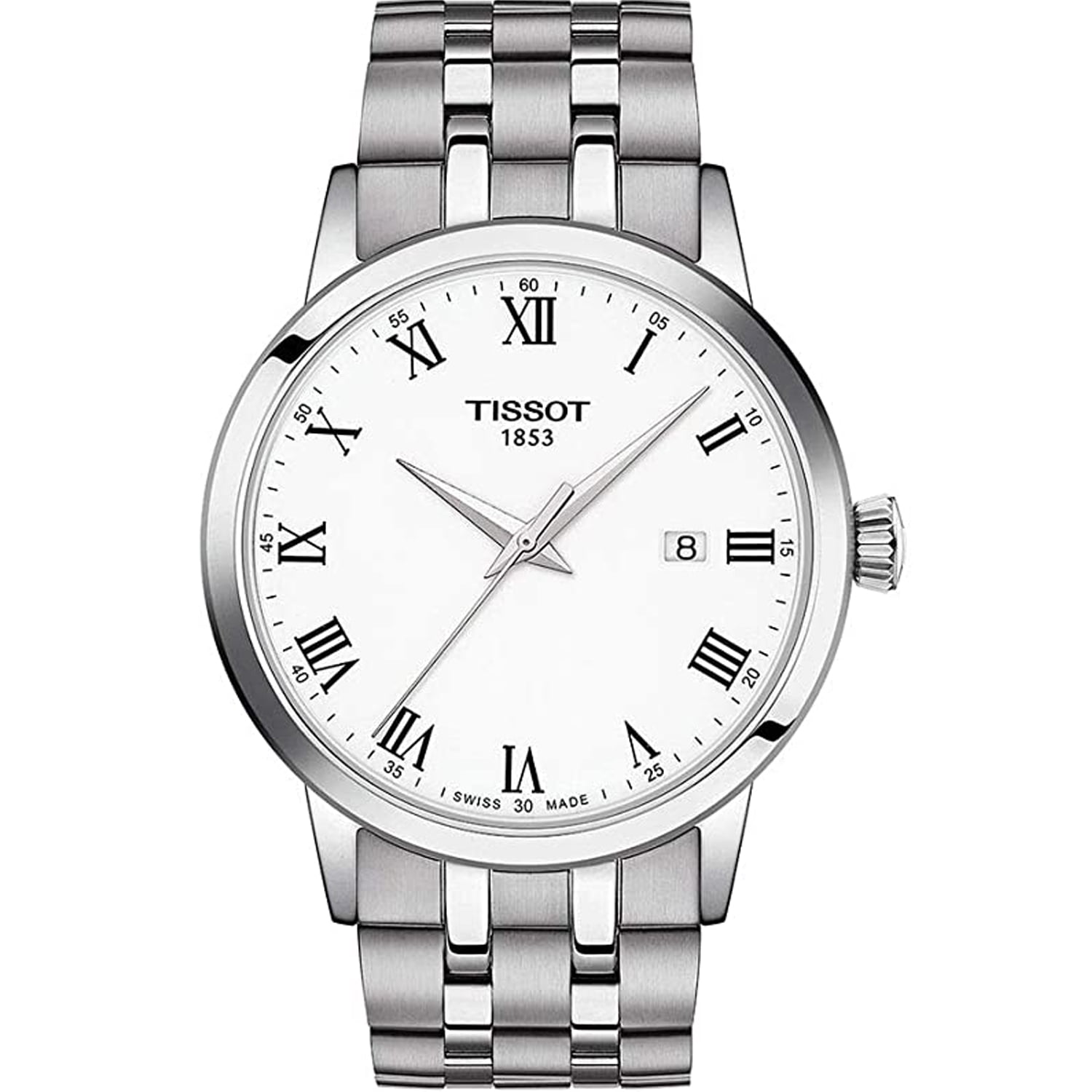
A safety razor puts more of the cutting control in your hand. A foil shaver puts a thin perforated screen between the moving cutters and your skin. Both are close-shaving tools. A guarded beard trimmer is a separate option when you want to retain visible length. That distinction matters more than the word “electric” on the box.
This guide compares those choices, the habits each one demands, and the costs you actually need to budget for. It is an evidence-informed buying framework, without claimed hands-on testing or a product ranking. For the wider topic, start with our razor bumps guide for Black men.
Start with the finish your neck can live with
Before comparing tools, describe your goal in ordinary language. Do you need a clean-looking neckline from normal conversation distance? Do you want your cheeks closely shaved while keeping a short beard? Or are you trying to make every part of your neck feel completely smooth when you rub against the hair?
Those are different jobs. A neat outline and an even shadow can satisfy your appearance goal without the repeated finishing strokes that a perfectly smooth feel may demand. Decide on the visual standard before the tool is in your hand. Otherwise, the roughest small patch can take over an otherwise reasonable grooming session.
Black men’s beard growth is not identical from one man to another. Your cheek density, neck growth direction, preferred beard shape, and past experience matter. A friend’s excellent result with a foil shaver is useful context, but it cannot tell you how that head will move around your own jaw or whether you will keep pressing on a difficult spot.
The American Academy of Dermatology’s razor-bump guidance explains that shortened curly hairs can reenter the skin. It discusses single-blade and electric options while advising against an overly close shave, pressure, and stretching the skin during shaving. That supports a cautious approach; it does not establish a winner between a particular safety razor and a particular foil model.
If your neck is already painful, bleeding, or developing persistent raised or pus-filled bumps, set the buying comparison aside and seek medical advice. This article cannot identify the cause of those changes. Changing tools is a grooming decision, not a diagnosis or treatment plan.

Know the three tools before you compare them
A double-edge safety razor
A traditional double-edge safety razor holds a replaceable blade in a head with a cap and guard. “Double-edge” describes the two usable edges of that blade; it does not mean a stack of blades passes over the same spot at once. The design still requires care when handling and replacing the blade.
You guide the head by hand, and the relationship between the head and your skin changes as your wrist moves. There is no motor to capture missed hair for you. The attraction is direct control and a relatively simple replacement-blade system. The responsibility is learning the specific razor’s handling and giving yourself enough attention to use it.
Do not assume that every safety razor feels the same. Head design, handle grip, weight, and blade compatibility all affect the ownership experience. A more expensive handle is not evidence of better tolerance on your neck. A design you can hold securely and understand is a more useful starting point than an impressive finish or elaborate stand.
A foil electric shaver
A foil shaver has moving cutters beneath a thin, perforated metal screen. Hair enters the openings and meets the cutters. The foil is part of the cutting system, not a length-setting comb. It should not be understood as a promise that a protective amount of stubble will remain after every shave.
Foil shavers also differ from rotary shavers, which have a different head arrangement and motion. Philips’ explanation of foil and rotary systems is useful for that mechanical distinction. It is manufacturer information, rather than independent evidence that one system prevents razor bumps.
A foil model may be designed for dry use, or may explicitly permit particular wet-shaving methods. Read the exact manual. A washable head does not, by itself, establish permission to use the entire device in the shower, use it while charging, or apply shaving cream to it. Those are separate compatibility questions.
A guarded trimmer
A guarded trimmer uses a comb or guard to maintain distance from its cutting teeth and retain length. That is a different appearance goal from using a foil finisher to remove the remaining visible stubble. Check the actual attachment and instructions instead of assuming that every motorized grooming device leaves the same finish.
If your preferred outcome is an even short beard, a close-shaving comparison may be solving the wrong problem. Our trimmer routine for Black men covers that separate route. There is no requirement to work through a blade and a foil shaver before considering it.
Safety razor versus foil shaver: the practical comparison
| Decision | Safety razor | Foil electric shaver |
|---|---|---|
| What you control | Manual head position, strokes, blade choice, and stopping point | Head placement, movement, pressure, and device-specific settings |
| What the system asks of you | Careful handling, compatible preparation, and blade disposal | Charging, head inspection, and the model’s cleaning and use instructions |
| Common temptation | Revisiting a missed patch with another blade stroke | Moving back and forth repeatedly because a few hairs remain |
| Finish to assess | How it looks without extra corrective strokes | How it looks without pressing for a closer result |
| Parts to price | Compatible blades and any required preparation supplies | Exact replacement foil/cutter assembly and any required cleaning supplies |
| Reason to reconsider | You cannot give the manual tool enough time or control | The head needs repeated work to produce your acceptable finish |
Read the table as a set of ownership questions, rather than a scorecard that awards a clinical winner. The same feature can be an advantage for one person and a complication for another. A manual tool’s direct control is useful only if you can exercise that control; a motor’s convenience is useful only if you can finish without overworking the neck.
Also compare like with like. A small barbershop foil finisher and a larger consumer wet/dry foil shaver may have different intended uses, head shapes, and maintenance requirements. A general recommendation for “electric shaving” cannot substitute for knowing which one you are considering.
Where the safety razor makes sense
You want a simple system and can give it your attention
A safety razor can suit the man who values a straightforward handle-and-blade setup and is willing to learn how his particular razor behaves. There is no charging lead or cutter cassette to match. You still need a secure place to store the razor, compatible preparation, and a safe plan for used blades.
Think about your real morning. If you regularly shave while responding to messages, preparing breakfast, and watching the clock, the appeal of a deliberate manual routine may not match your circumstances. You can enjoy the idea of traditional shaving and still decide that it does not fit your busiest days.
The same applies to dexterity and visibility. Consider whether the handle feels secure, whether you can see the area clearly, and whether you are comfortable changing the blade. Buying a heavier or more aggressive-looking razor does not solve those practical questions. If handling is difficult, prioritize an easier routine and ask for appropriate professional help where needed.
You are willing to accept a stopping point
The buying decision should include what you will do when the neck looks presentable but feels slightly uneven. If your response is always another pass, a single blade has not changed the underlying goal. Plan the stopping point before comparing different blade brands or more exposed head designs.
You do not need to buy a large collection to learn what matters. Start by understanding the instructions for one compatible razor-and-blade combination. Constantly changing the handle, blade, preparation, and finishing product makes it difficult to tell which change affected your experience. It also turns a simple system into an expensive hobby before you have established a workable baseline.
For men choosing between manual systems rather than manual versus electric, our safety razor versus cartridge comparison addresses that separate question. Here, keep the comparison focused on the safety razor and the foil shaver you would actually own.

Preparation is part of the purchase
Price the routine you will use, rather than the handle alone. If your current shaving supplies do not work with the planned method, include suitable replacements in the budget. An attractive handle price loses its meaning when the shopping basket quietly expands to several optional accessories, multiple blades, and a premium bowl.
Separate essentials from preferences. A decorative stand, a matching travel case, and an elaborate brush can be enjoyable purchases. They should not be presented as requirements for managing a bump-prone neck. Choose the core setup first; add extras because you want them and can afford them, rather than because you expect them to transform your skin.
That restraint also makes troubleshooting clearer. When you know exactly what is in the routine, you can describe it accurately to a barber or dermatologist. A short list of actual products and tools is more useful than saying that you use an expensive shaving kit.
Where a foil electric shaver makes sense
You value a motorized routine that fits your space
A foil shaver can appeal if you prefer handling an assembled device to handling loose blades. Compare the head shape and grip against your needs, rather than choosing the model with the longest feature list. Think about whether the head fits the area under your jaw and whether the controls are easy to understand.
Convenience includes storage, noise, charging, and cleanup. A large cleaning station may fit a dedicated bathroom counter and be awkward in a shared bathroom or travel bag. A device that requires its own cable is manageable if you have a reliable charging place. These details matter because an ownership routine has to survive ordinary busy days.
Be careful with advertised speed. A short advertised shave time does not describe how long you will spend revisiting a difficult neck patch. Count the complete session, including any additional preparation the manual requires and the cleaning you actually perform. Compare your own process, without treating promotional timing as a promise.
The head captures your hair without constant correction
Before purchasing, check the manufacturer’s intended hair-length and preparation guidance. Do not choose a foil shaver on the assumption that it will take down any length of beard in one step. If the recommended process includes pre-trimming, account for that extra tool and time in your decision.
This is especially useful if you alternate between a short beard and a closer neckline. The device may fit one job more naturally than the other. A foil attachment that works for the final stage of a barber’s service is not automatically a complete at-home beard-management system.
Ask yourself a precise question: can this model reach my acceptable visual finish while I follow its instructions? If the answer depends on pressing hard or continually returning to the same hairs, the promised convenience is not materializing for you. More power or another marketing label is not enough information to explain why.
Our electric shaver guide for Black men takes the electric route further. Use it after you have decided that a foil system fits your needs, rather than expecting this comparison to replace every device-specific instruction.

Wet/dry compatibility is a buying constraint
If your preferred preparation involves water or shaving cream, look for explicit permission for that method in the manual for the exact model. Do not rely on a retailer’s broad category label or another shaver from the same brand. Keep electrical-use instructions separate from general grooming advice.
When a dermatologist recommends a preparation method that your device does not support, discuss a compatible alternative with them. Do not modify the device or improvise around its restrictions. Choosing a different model or a different grooming approach is more sensible than trying to make a dry-only tool perform a wet-shaving job.
The same discipline applies to cleaning. “Rinse the removable head” and “rinse the whole device” may mean different things. Read which parts can be removed, what fluids are permitted, and what must dry before reassembly. You are buying the maintenance process along with the shaver, even when the box emphasizes only the finished look.
Compare control on the neck, rather than closeness on the cheek
Your cheeks can make a tool look more forgiving than it feels beneath the jaw. Pay attention to where you lose sight of the head, where you change wrist position, and where you habitually return for touch-ups. Those observations help you compare handling without pretending to diagnose the cause of bumps.
The manual razor asks you to manage the position of a blade-bearing head. The foil shaver asks you to position a wider cutting surface and follow the device’s movement instructions. Neither task is improved by assuming every neck hair points in one direction. If you need help observing your growth pattern, see our neck shave-map guide.
A useful shopping exercise happens with the tool switched off or safely put away. Look at the area you actually intend to groom. Is your goal a narrow boundary beneath a beard, a broad clean-shaven neck, or a small section near the jaw? Then compare the physical shape of the head against that job. A broad head and a compact head serve different handling preferences; neither size alone proves greater skin tolerance.
Also consider the feedback you notice. Can you recognize when you are revisiting the same area? Do you stop when the intended line is finished, or keep correcting its symmetry? A tool choice can reduce logistical friction, but it cannot decide your finish standard for you. Put that decision into words before you start using the tool.
If you visit a barber, describe the desired neck finish specifically. Explain that you want to understand which tool is being used and whether a foil finish is an additional step after trimming. A clear conversation prevents “clean it up” from meaning a closer service than you intended. You can ask for an appearance goal without requesting extra pressure or more finishing passes.
Work out the real ownership cost
The meaningful comparison is the cost of a workable system over the time you expect to keep it. A safety razor uses replacement blades; a foil shaver uses its own replacement cutting parts and may require particular cleaning supplies. Neither is truly free to maintain once the initial purchase is complete.
Use actual current prices for your shortlist. We are not supplying a live price table or claiming that every safety setup costs less than every electric setup. A premium manual kit can cost more than a basic electric unit, while unavailable replacement parts can make an inexpensive shaver poor value.
Make two separate lists
For the safety setup, list the handle, compatible blades, required preparation supplies, and safe blade disposal. For the foil setup, list the device, exact replacement foil and cutter part number, any necessary cleaning supplies, and accessories you genuinely need. Keep optional upgrades on a separate line so they do not disappear into “maintenance.”
Next, distinguish stock from consumption. A pack of blades may last beyond the period you are comparing. A bottle of cleaning fluid may be shared across months. Record the amount you buy and the amount you expect to use, and be consistent about which measure you compare. Otherwise, a larger pack can look more expensive simply because you paid for future supply upfront.
Do not build the calculation around stretching worn parts beyond their instructions. Follow the manufacturer’s replacement guidance and replace damaged parts as directed. The appropriate maintenance schedule belongs to the actual product, rather than a universal calendar borrowed from another device or another man’s beard.
Use a transparent worksheet
These figures are invented arithmetic examples, not current prices, replacement recommendations, or claims about typical ownership. Suppose one manual setup has a $40 initial cost and you budget $35 a year for its ongoing supplies. Suppose one foil setup has a $120 initial cost and you budget $45 a year for its ongoing supplies.
| Example budget | Manual setup | Foil setup |
|---|---|---|
| Initial purchase | $40 | $120 |
| Assumed annual supplies | $35 | $45 |
| Initial purchase plus one year of supplies | $75 | $165 |
| Initial purchase plus three years of supplies | $145 | $255 |
The three-year arithmetic is $40 + (3 × $35) and $120 + (3 × $45). Substitute your own numbers. If the foil model needs an expensive replacement cassette, include it in the relevant year instead of hiding it in a vague “occasional parts” estimate. If you already own suitable supplies, avoid counting their purchase twice.
The lower total is useful only when the setup works for you. Buying a cheaper tool that you abandon, then buying another complete system, changes the calculation. Conversely, a higher initial cost does not make a tool a better investment if you cannot locate the correct replacement head. Reliability of supply deserves its own place in the decision.

Check the replacement before buying the device
Search the exact model and replacement part number before checkout. Read whether the replacement includes the foil, cutters, or both, and check that the listing identifies your model. Similar-looking parts and adjacent model names can create an avoidable purchase mistake. Save the official manual and the part number where you can find them later.
For a safety razor, confirm the blade format and how the head opens. Do not assume that every product called a safety razor accepts the same blade. Check the return policy before purchase, especially any hygiene restrictions once the product has been opened. A return policy is a practical shopping fact, rather than permission to use an unsuitable tool repeatedly.
Build a shortlist without buying a whole shelf
Affiliate disclosure: Grooming For Black Men may earn a commission from qualifying purchases made through the links below, at no extra cost to you. These are category searches for comparing options, not tested-product endorsements.
If the manual route fits your needs, browse double-edge safety razor options. Narrow by clear blade compatibility, secure grip, understandable assembly instructions, and available replacements. Avoid treating “aggressive,” “professional,” or an expensive finish as evidence that the razor suits a bump-prone neck.
If the electric route fits, compare foil electric shaver options. Check the exact wet/dry permissions, head and replacement part availability, charging requirements, and cleaning process. Match the listing to the manufacturer’s model identification before relying on its specifications.
Limit the shortlist to products you can explain in one sentence: “This fits because I can maintain it, it matches my intended finish, and I understand its restrictions.” If your explanation is only “It is popular with Black men,” you still need to examine the actual tool. Representation in advertising is welcome, but it does not answer a compatibility question.
Keep a separate wish list for upgrades. A cleaning station, travel pouch, heavier handle, or coordinated accessories may be worth buying later. None should crowd out the cost of the necessary replacement parts. A restrained first purchase gives you room to make a better-informed decision after living with the system.
Three situations that change the buying decision
You want a clean neckline beneath a short beard
Begin with the boundary you want to maintain, rather than the cleanest possible finish below it. Ask whether you need a close shave across the whole neck or simply a tidy transition. This is a common place for a purchase to expand the grooming job: a new foil shaver arrives, and suddenly every remaining hair feels like unfinished work.
Keep the original goal visible. A narrow outlining task does not automatically require a full-neck finishing session. If you choose to retain length below the beard, compare guarded trimming methods on their own terms. If you choose a close finish, compare the manual and foil tools for that defined area, including how well you can see what you are doing.
You shave around a demanding morning schedule
Consider the morning when you oversleep, rather than only the quiet weekend when you researched the purchase. A manual setup that you enjoy using slowly may be a poor fit when your attention is divided. An electric setup that needs charging or an extra pre-trimming stage may also be less convenient than you expected.
Choose a fallback appearance that you can maintain without improvisation. That might mean keeping an even short beard instead of trying to create an unusually close finish before leaving home. The point is to avoid making time pressure the reason you abandon the tool’s instructions. Your daily plan should include ordinary interruptions.
You already own both tools
Ownership does not create an obligation to use both in every session. Decide which job, if any, each tool performs well for you. You may discover that one is redundant, or that the foil shaver fits occasional situations while the manual setup remains your preferred method elsewhere.
Before buying another model, identify what is missing from the current arrangement. Is it a replacement part, a clearer finish goal, an easier cleaning process, or advice about a recurring skin problem? Those lead to different next steps. A new device is only one possible response, and it should answer a specific practical need.
Make the comparison useful in your own routine
Start with what you already know about your experience. Write down the tool you use, the area you groom, the finish you pursue, and the extra steps you take when the first result looks uneven. Keep the description factual. “Returned repeatedly to the left neck patch” is more useful than “My skin hates everything.”
If you decide to change a tool, retain a simple record of the model and compatible preparation. Avoid introducing several new products at the same time. This is an organizational approach to understanding your routine, not a clinical trial or a reason to continue using a tool that is causing problems.
Assess convenience honestly. Include setup, cleaning, charging, and any pre-trimming in your account of the session. Also note whether you achieved your appearance goal without adding another close-shaving step. Using a foil shaver after a safety razor on the same neck patch is a different process from choosing between them.
Do not judge the entire decision from the instant you leave the bathroom. Record later concerns accurately and discuss them with a professional if they persist. A photograph may help document what you noticed, but a phone image cannot establish whether a bump is an ingrown hair, an infection, or another condition.
When work or another requirement calls for a close-shaven appearance, seek advice about your specific circumstances rather than repeatedly escalating the shave. A dermatologist can help assess the skin problem, and the relevant workplace can explain its process for documented accommodations where applicable. This comparison does not establish an exemption or a medical clearance.
When neither close-shaving option belongs on the neck
DermNet’s pseudofolliculitis barbae reference describes a condition that can affect the beard area, particularly the neck, and notes that other conditions can resemble it. It includes avoiding close shaving and considering a different hair-removal approach among management measures. That is a reason to question the closeness goal, rather than assuming the next purchase must solve it.
Persistent bumps, worsening discomfort, pus, or scarring deserve professional assessment. Stop treating those signs as an invitation to compare more blades. Seek prompt medical attention for spreading redness, increasing warmth or pain, or feeling unwell. Do not pick, dig for hairs, or attempt to shave raised lesions flat.
You may decide to retain visible length, let the beard grow, or use different approaches on different areas with appropriate guidance. The important distinction is that a cheek routine does not obligate you to use the same close-cutting method on a reactive neck. A coordinated overall appearance can allow different lengths in different zones.

Frequently asked questions
Is a safety razor or a foil shaver better for Black men with neck bumps?
There is no universal winner established by the sources used here. Compare the exact tools, your handling preferences, the finish you accept, and the maintenance you can sustain. A safety razor demands manual control; a foil shaver demands appropriate head movement and model-specific care. If close shaving repeatedly creates problems, reconsider the finish goal with a dermatologist instead of treating another close-cutting tool as a guaranteed solution.
Is a foil shaver the same as a guarded beard trimmer?
No. A foil shaver captures hair through a perforated screen over moving cutters and is designed for a close finish. A guarded trimmer uses an attachment to retain length. Some grooming kits contain both, which makes naming the attachment important. Ask whether you are using the length-retaining guard or the foil finisher; “I use electric” does not describe the actual grooming method precisely enough.
Can I use shaving cream with any foil electric shaver?
Only use the methods expressly permitted for the exact model. A washable component, wet/dry label on a different model, or general online shaving recommendation is not sufficient. Read the manual’s separate instructions for shaving, rinsing, charging, and cleaning. If the preparation recommended for your skin conflicts with your device’s permissions, ask your dermatologist about a compatible approach rather than improvising around the restriction.
Should I buy a foil shaver just because my barber uses one?
Ask what job it performs during your service. It may be a finishing step after another tool has already reduced the hair. Consider whether that matches your starting beard length and intended at-home routine. You can value your barber’s experience while still checking the model’s instructions, replacement parts, and suitability for the way you plan to use it. The full service and the single device are different purchases.
Can I use a safety razor on my cheeks and a different tool on my neck?
You can choose different appearance goals for different areas. That does not mean stacking several close-cutting tools over the same patch to remove every remaining hair. Describe the intended division clearly: for example, closely groomed cheeks and a neck that retains visible length. If the neck has ongoing symptoms, get professional guidance before experimenting there. Consistency in the overall look does not require identical closeness everywhere.
Which option costs less over time?
Calculate the cost for your actual shortlist. Include the initial purchase and necessary ongoing supplies, especially the exact foil/cutter replacement assembly for an electric model. For a manual model, include compatible blades, preparation supplies, and safe disposal. Keep optional accessories separate. The example worksheet above illustrates arithmetic, not market prices or replacement schedules. An available, maintainable tool is more useful than a low initial price with no clear parts supply.
How long should I keep trying a tool that seems to irritate my neck?
There is no mandatory adjustment period in this guide. Do not endure worsening symptoms to justify a purchase or complete an online challenge. Note what happened and seek appropriate medical advice, especially for persistent or painful bumps, pus, or scarring. A refund deadline or advertised learning curve cannot determine what is appropriate for your skin. Buying decisions and medical assessment need to remain separate.
Choose the routine you can explain and maintain
Choose a safety razor if its manual handling, simple parts system, and preparation fit your needs. Choose a foil shaver if its exact instructions, head design, and ownership requirements fit better. Consider a length-retaining approach when a close neck finish is the source of repeated difficulty. None of these decisions needs a claim that one tool is best for every Black man.
Before buying, write down your intended finish, required supplies, replacement part numbers, and stopping point. That short list turns a broad shopping debate into a decision you can actually make. Explore the GFBM shaving library for the next practical step, and keep your neck’s response ahead of the appeal of a perfectly smooth finish.
Educational information, not a diagnosis or individualized treatment plan. Images are editorial illustrations, not product tests or treatment outcomes. Not medically reviewed.