
Social Challenge for Black Men: Practical Grooming Guide
Grooming is more than a private routine—it’s a social statement. For Black men, showing up in public with a clean shave, a sharp lineup, or a well-kept beard can mean respect, confidence, and control over how you’re seen. But there’s a real social challenge: the standards for “looking professional” or “well-groomed” often ignore the realities of rich brown skin and coarse, curly hair. Razor bumps, ingrown hairs, and irritation aren’t just cosmetic—they’re a barrier to feeling comfortable in your own skin, especially in environments where appearance is judged closely.
This social challenge for Black men practical grooming guide is built for men who want to look sharp without sacrificing their skin’s health. Whether you’re prepping for a job interview, a family event, or just want to step out with confidence, the pressure to “get it right” is real. But so are the risks of following advice or routines that don’t fit your skin or hair type. Too many men end up with razor bumps, dark marks, or persistent irritation because they’re using the wrong tools, products, or techniques—often in pursuit of a look that’s supposed to help them fit in or get ahead.
This guide is grounded in practical, disciplined grooming for Black men. It’s not about miracle fixes or hype. It’s about understanding what works for your skin, your hair, and your goals—so you can show up your way, with confidence and comfort. If you’re ready for a grooming routine that respects your reality and helps you handle the social challenge, you’re in the right place.
For a deeper dive into the basics of razor bumps, ingrown hairs, and shaving systems, see our parent pillar guide.
Real-Life Shaving Scenarios for Social Challenge for Black Men
A razor bump routine has to work on ordinary days, not just when you have extra time. Think about the moments that usually pressure you into bad decisions: an early meeting, a last-minute date, a barber appointment after work, a workout before a shave, or a week when your skin is already irritated but you still want to look sharp. Those are the moments when Black men often get pulled toward extra pressure, extra passes, or products that burn because they feel like they are “doing something.”
The better move is to build a decision system. If your skin is calm, your tool is clean, and the hair has been softened, you can follow the planned routine. If your neck is tender, bumps are raised, or dark marks are still fresh, choose the lower-risk option: trim instead of shaving close, clean up only the edges, or give the area more time. A disciplined routine is not about shaving at any cost. It is about choosing the cleanest look your skin can handle that day.
Pressure is the detail that separates a routine from a problem. When a blade or trimmer is not doing the work, pressing harder usually makes things worse. It can cut the hair too low, scrape the surface, and leave curly hair with more opportunity to re-enter the skin. Use fewer passes, keep the skin relaxed, and stop treating smoothness as the only sign of success. For bump-prone skin, slightly less close can mean much cleaner over the next several days.
Budget and schedule matter here too. You do not need every tool on the market to handle social challenge for black men. You need clean tools, a routine you repeat, and enough patience to avoid changing five things at once. If you upgrade anything, upgrade the step that causes the most irritation: the blade, trimmer guard, shave gel, aftercare, or barber communication. The goal is not a luxury shelf. The goal is a routine that protects your face and still fits your life.
How to Audit Progress Without Chasing a Perfect Shave
Judge the routine by how your skin behaves after the shave, not only by how close it looks in the mirror. Are bumps less angry the next day? Is the neck calmer after work? Are dark marks showing up less often because you are not reopening irritation? Can you maintain a sharp look with fewer emergency fixes? Those are meaningful wins, even if the shave is not the closest one you have ever had.
If the routine is not working, change one thing at a time. Start with pressure, frequency, tool cleanliness, and aftercare before buying more products. If bumps are painful, infected, spreading, scarring, or not improving despite careful routine changes, bring in a dermatologist or qualified clinician. That is not overreacting. It is protecting your skin before the problem becomes harder to manage.
Real-Life Shaving Scenarios for Social Challenge for Black Men
A razor bump routine has to work on ordinary days, not just when you have extra time. Think about the moments that usually pressure you into bad decisions: an early meeting, a last-minute date, a barber appointment after work, a workout before a shave, or a week when your skin is already irritated but you still want to look sharp. Those are the moments when Black men often get pulled toward extra pressure, extra passes, or products that burn because they feel like they are “doing something.”
The better move is to build a decision system. If your skin is calm, your tool is clean, and the hair has been softened, you can follow the planned routine. If your neck is tender, bumps are raised, or dark marks are still fresh, choose the lower-risk option: trim instead of shaving close, clean up only the edges, or give the area more time. A disciplined routine is not about shaving at any cost. It is about choosing the cleanest look your skin can handle that day.
Pressure is the detail that separates a routine from a problem. When a blade or trimmer is not doing the work, pressing harder usually makes things worse. It can cut the hair too low, scrape the surface, and leave curly hair with more opportunity to re-enter the skin. Use fewer passes, keep the skin relaxed, and stop treating smoothness as the only sign of success. For bump-prone skin, slightly less close can mean much cleaner over the next several days.
Budget and schedule matter here too. You do not need every tool on the market to handle social challenge for black men. You need clean tools, a routine you repeat, and enough patience to avoid changing five things at once. If you upgrade anything, upgrade the step that causes the most irritation: the blade, trimmer guard, shave gel, aftercare, or barber communication. The goal is not a luxury shelf. The goal is a routine that protects your face and still fits your life.
How to Audit Progress Without Chasing a Perfect Shave
Judge the routine by how your skin behaves after the shave, not only by how close it looks in the mirror. Are bumps less angry the next day? Is the neck calmer after work? Are dark marks showing up less often because you are not reopening irritation? Can you maintain a sharp look with fewer emergency fixes? Those are meaningful wins, even if the shave is not the closest one you have ever had.
If the routine is not working, change one thing at a time. Start with pressure, frequency, tool cleanliness, and aftercare before buying more products. If bumps are painful, infected, spreading, scarring, or not improving despite careful routine changes, bring in a dermatologist or qualified clinician. That is not overreacting. It is protecting your skin before the problem becomes harder to manage.
Why This Matters for Black Men

Grooming is never just about looks. For Black men, it’s about self-respect, social acceptance, and sometimes even safety. The pressure to appear “clean-cut” can be intense—at work, in school, or in public spaces. But the mainstream grooming advice rarely considers the realities of coarse, curly facial hair and rich brown skin. This disconnect creates a unique social challenge for Black men: how do you meet expectations without damaging your skin or sacrificing your comfort?
Here’s why this matters:
- Professional and social expectations: Many workplaces and social settings expect a certain standard of grooming. For Black men, this often means shaving or keeping facial hair sharply lined—even when it increases the risk of razor bumps or irritation.
- Skin and hair realities: Coarse, curly hair is more likely to curl back into the skin after shaving, leading to ingrown hairs and razor bumps. Richer skin tones can develop dark marks (post-inflammatory hyperpigmentation) from even minor irritation.
- Health and comfort: Persistent irritation isn’t just uncomfortable—it can impact confidence and willingness to participate in social or professional events.
- Representation and self-image: When your grooming routine is shaped by standards that don’t fit you, it can affect how you see yourself and how others see you.
Understanding the social challenge is the first step. The next is building a routine that works for you, not against you.
What Usually Goes Wrong

Many Black men run into the same problems when trying to meet social or professional grooming standards. Here’s what typically goes wrong:
- Following “universal” advice: Mainstream grooming tips often ignore the needs of coarse, curly hair and rich skin. Techniques that work for straight hair or lighter skin can cause irritation, bumps, and dark marks for Black men.
- Using harsh products: Alcohol-heavy aftershaves, strong scrubs, and harsh cleansers can strip the skin, causing dryness, irritation, and more bumps.
- Shaving too close: Multi-blade razors and aggressive shaving techniques cut hair below the skin’s surface, increasing the risk of ingrown hairs and razor bumps.
- Neglecting the grain: Shaving against the direction of hair growth (“against the grain”) can lead to more irritation and bumps, especially on the neck and jawline.
- Ignoring prep and aftercare: Skipping proper cleansing, hydration, and aftershave care leaves skin vulnerable to irritation and infection.
- Trying to “dig out” ingrown hairs: Picking or digging at bumps can cause scarring, infection, and long-term dark marks.
These mistakes aren’t about lack of effort—they’re about routines and expectations that don’t match your reality. If you’ve struggled with razor bumps, ingrown hairs, or dark marks, you’re not alone. There are better ways to meet the social challenge without sacrificing your skin’s health.
What to Do Instead
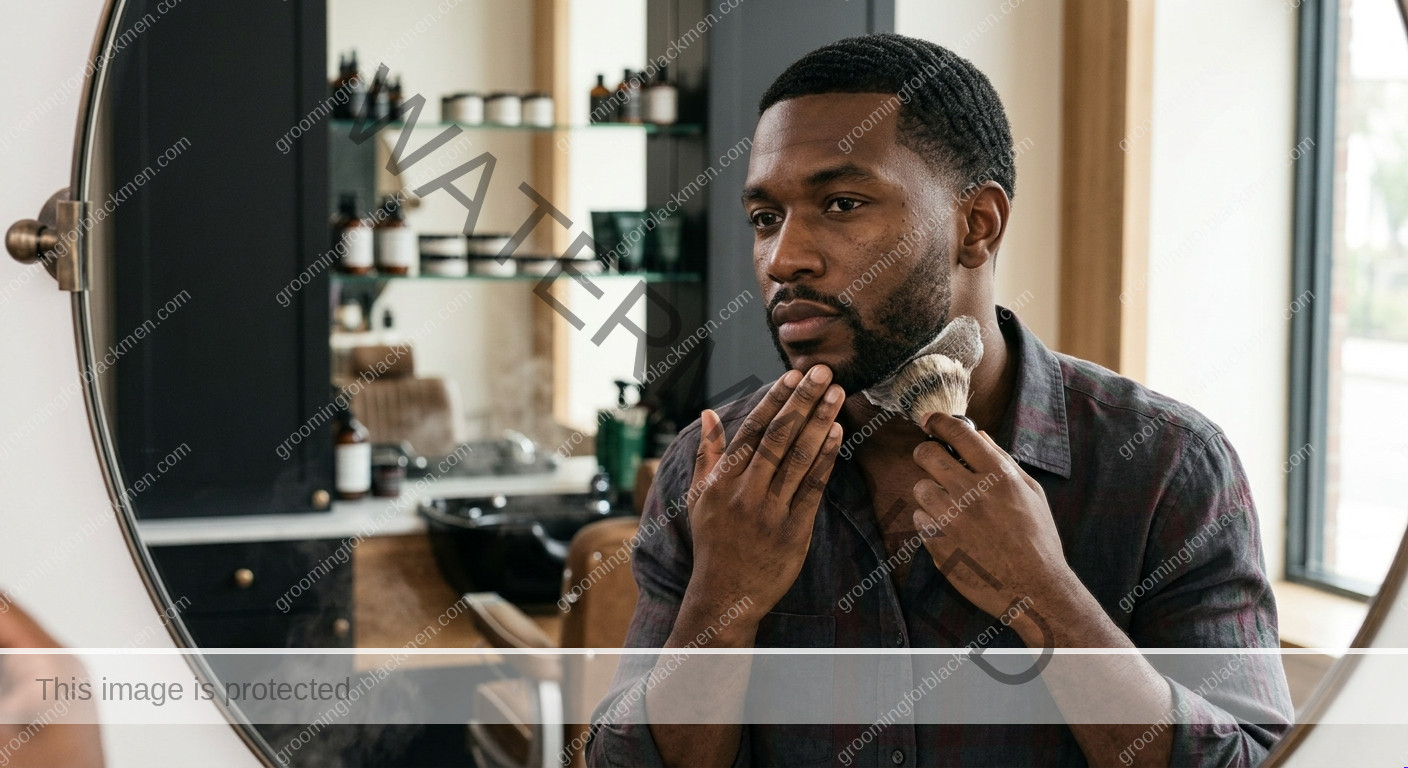
Meeting the social challenge as a Black man means building a grooming routine that works for your hair, your skin, and your life. Here’s how to approach it:
1. Know Your Hair and Skin
- Take time to understand your hair’s curl pattern and your skin’s sensitivity. This will shape every step of your routine.
- Check out our Map Your Grain guide to learn how your facial hair grows and how to shave with less irritation.
Decision Point: If your hair grows in multiple directions or you notice more bumps in certain areas, map your grain and adjust your shaving or trimming technique for each section. This step alone can cut down on irritation and bumps.
2. Prep Your Skin Properly
- Start with a gentle cleanser to remove dirt and oil without stripping your skin.
- Use warm water or a warm, damp towel to soften hair before shaving or trimming. This reduces tugging and irritation.
Routine Logic: Clean skin and softened hair are less likely to become irritated or develop bumps. This step is non-negotiable, especially before shaving close or lining up your beard.
3. Choose the Right Shaving or Trimming Method
- Consider using a single-blade safety razor, electric trimmer, or clippers set to leave a little stubble. These methods reduce the risk of cutting hair below the skin’s surface.
- For a full breakdown of options, see our Safety Razor vs Cartridge guide and Trimmer Routine guide.
Decision Criteria: If you’re required to be clean-shaven for work, a single-blade safety razor is usually less irritating than a multi-blade cartridge. If you have flexibility, an electric trimmer or clippers can help you maintain a sharp look with less risk of bumps.
4. Shave or Trim with the Grain
- Always shave or trim in the direction your hair grows. This minimizes the risk of hair curling back into the skin.
- If you need a closer shave, do a second (gentle) pass across the grain, not against it.
Real-Life Scenario: If your beard grows in swirls or different directions, adjust your hand position and angle as you move across your face. Rushing or using the same motion everywhere leads to missed spots and more irritation.
5. Use Gentle, Alcohol-Free Aftercare
- Rinse with cool water after shaving or trimming to calm the skin.
- Apply an alcohol-free aftershave balm or moisturizer to soothe and protect.
- For more on aftercare, see our Lineup Irritation guide.
Troubleshooting: If you notice stinging, dryness, or redness after using a product, check the label for alcohol or fragrance. Switch to a fragrance-free, alcohol-free balm or lightweight moisturizer.
6. Don’t Chase Perfection
- It’s okay to leave a little stubble or texture if it means healthier skin. The “baby-smooth” look isn’t worth the pain or long-term marks.
- Focus on comfort and confidence, not just appearance.
Mindset Shift: Social pressure can push you to over-shave or over-line. Remember, your skin’s health is the foundation of your look. A well-kept beard or short stubble can be just as professional as a close shave—if it’s neat and intentional.
7. Address Bumps and Dark Marks with Care
- If you get razor bumps or ingrown hairs, avoid picking or digging. Use gentle exfoliation and proper aftercare.
- For persistent issues, see our Ingrown Hair Treatment guide and Razor Bumps and Dark Marks guide.
Step-by-Step Logic: If you notice a bump, pause shaving that area. Cleanse gently, apply a soothing balm, and exfoliate lightly a few times a week. If you see pus, spreading redness, or pain, get professional help.
Building a Routine: Step-by-Step Example
Let’s walk through a disciplined, realistic grooming routine for a Black man preparing for a job interview or important social event:
- Night Before: Cleanse your face with a gentle cleanser. If you exfoliate, do it now (not right before shaving). Moisturize well and get enough rest—tired skin is more reactive.
- Morning Of: Wet a clean towel with warm water and press it to your beard area for 2-3 minutes. This softens hair and opens pores.
- Apply a Shave Gel or Cream: Choose a non-foaming, moisturizing formula. Avoid products with heavy fragrance or menthol.
- Shave or Trim: Use a single-blade razor or trimmer, moving with the grain. Rinse the blade or trimmer often. Don’t rush—use short, careful strokes.
- Rinse and Soothe: Rinse with cool water. Pat dry with a clean towel. Apply an alcohol-free aftershave balm or a lightweight moisturizer.
- Final Check: Look for missed spots or irritation. If you see a bump, leave it alone—don’t try to “fix” it on the spot.
- Throughout the Day: If you feel irritation, splash with cool water or reapply moisturizer. Avoid touching your face with unwashed hands.
This approach respects your skin’s needs while meeting social expectations. Adjust the steps based on your hair growth, skin sensitivity, and the event’s dress code.
Product and Tool Criteria
As an affiliate site, GFBM may earn from qualifying purchases through product links.
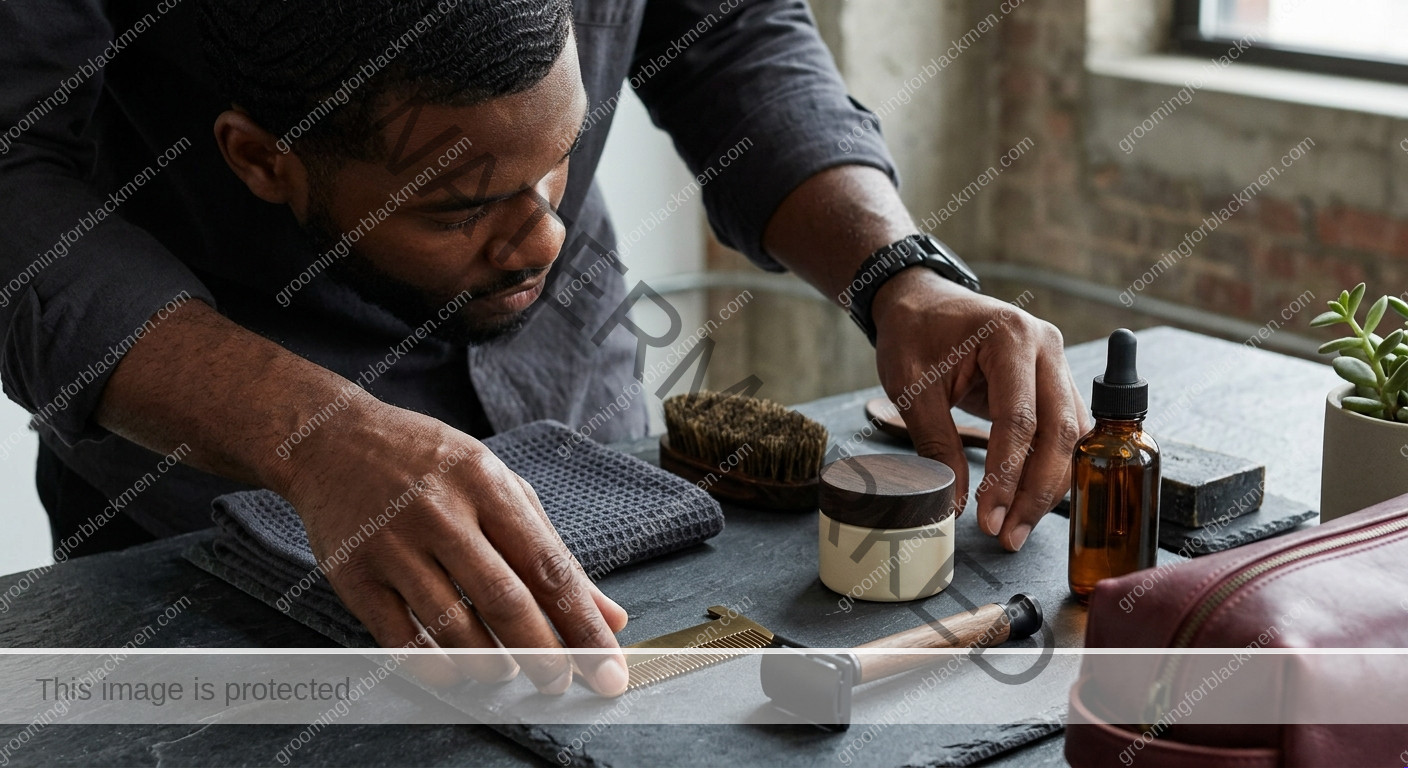
Choosing the right products and tools is key to handling the social challenge without sacrificing your skin’s health. Here’s what to look for—and what to avoid:
1. Cleansers
- Look for gentle, fragrance-free cleansers designed for men. Avoid harsh soaps and scrubs.
- Example: gentle facial cleanser for men
2. Shaving Tools
- Single-blade safety razors, electric trimmers, or clippers are less likely to cause bumps than multi-blade cartridges.
- Replace blades regularly to avoid tugging and irritation.
- Example: safety razor for Black men
3. Aftershave and Moisturizers
- Choose alcohol-free balms or gels to soothe and protect skin after shaving.
- Example: alcohol free aftershave balm
4. Exfoliators
- Use gentle chemical exfoliants (like products with lactic or mandelic acid) 1-2 times a week. Avoid rough scrubs or brushes.
5. What to Avoid
- Alcohol-heavy aftershaves, undiluted essential oils, and harsh scrubs.
- DIY “remedies” that involve digging at ingrown hairs or using untested ingredients.
GFBM may earn a small commission from qualifying purchases, but product examples are included to clarify criteria, not to promise results.
Real-Life Scenarios: Navigating Social Pressure
Grooming isn’t just about the mirror—it’s about how you move through the world. Here are a few common scenarios, with practical strategies for handling the social challenge:
Scenario 1: The Job Interview
You want to look sharp and professional, but your skin flares up every time you shave close. The night before, prep with a gentle cleanser and moisturizer. In the morning, use a single-blade razor or trimmer set to just above the skin. Shave with the grain, rinse with cool water, and apply an alcohol-free balm. If you’re left with a little stubble, own it—confidence and neatness matter more than a baby-smooth finish.
Scenario 2: Family Gatherings or Social Events
Pressure to “look your best” can be high, especially if relatives or friends have their own ideas about what that means. Stick to your routine: cleanse, soften, trim or line up carefully, and moisturize. If you’re healing from bumps or marks, explain (if asked) that you’re prioritizing your skin’s health. A healthy, cared-for look is always in style.
Scenario 3: Workplace Dress Codes
Some jobs require a close shave or strict beard lines. If possible, ask HR about flexibility for short, well-groomed stubble or neatly lined beards. Share that close shaving can cause medical issues (like pseudofolliculitis barbae) for men with curly hair. If you must shave close, use every prep and aftercare step to minimize irritation. For more, see our Razor Bump Prevention guide.
Scenario 4: Dealing with Setbacks
Even with a disciplined routine, you might get a stubborn bump or breakout before an important event. Don’t panic. Pause shaving that area, use a cool compress, and apply a gentle, alcohol-free balm. If you need to cover a dark mark, a light touch of non-comedogenic concealer (matched to your skin tone) can help—no shame in protecting your confidence.
Troubleshooting and When to Get Help

Even with the best routine, bumps, irritation, or dark marks can still happen. Here’s how to handle common issues—and when to see a professional:
- Minor razor bumps or irritation: Pause shaving or trimming for a few days. Use a gentle cleanser and an alcohol-free aftershave balm. Apply a cool compress if needed.
- Persistent bumps or dark marks: Use gentle exfoliation and moisturize daily. Avoid picking or digging at bumps. For more, see our Razor Bump Prevention guide.
- Painful, spreading, or infected bumps: If bumps are painful, infected, spreading, or causing scarring, see a dermatologist or qualified clinician. Don’t try to treat severe issues at home.
- Neck and jawline issues: The neck is a common trouble spot. See our Neck Bumps guide for targeted tips.
- Lineup irritation: If sharp lineups cause redness or bumps, adjust your technique and aftercare. See our Lineup Irritation guide.
Remember: No routine is perfect. If you’re consistently uncomfortable, in pain, or seeing new or worsening marks, get professional advice. Your skin’s health is worth it.
Frequently Asked Questions
How can I reduce razor bumps if I have to shave for work?
Use a single-blade safety razor or an electric trimmer set to leave a bit of stubble. Always shave with the grain, prep with a warm towel, and use an alcohol-free aftershave balm. If possible, ask about workplace flexibility for short, well-groomed stubble to reduce irritation.
Is it better to shave or trim if I get ingrown hairs easily?
Trimming with clippers or an electric trimmer is usually safer for coarse, curly hair. Leaving a little stubble reduces the risk of hair curling back into the skin. For more, see our Trimmer Routine guide.
What’s the best way to prep my skin before shaving?
Cleanse with a gentle facial cleanser and use warm water or a warm towel to soften hair. This makes shaving smoother and reduces the risk of irritation.
How do I handle dark marks from old razor bumps?
Be patient and consistent with gentle exfoliation and daily moisturizing. Avoid picking or digging at marks. For stubborn cases, see our Razor Bumps and Dark Marks guide.
Can I use regular aftershave if I have sensitive skin?
Avoid alcohol-heavy aftershaves—they can dry and irritate skin. Choose an alcohol-free balm or moisturizer instead. See our product criteria above for examples.
What should I do if my neck always gets bumps?
Map your hair’s growth direction and shave or trim with the grain. Use gentle aftercare and avoid shaving too close. For targeted advice, see our Neck Bumps guide.
When should I see a dermatologist?
If you have painful, infected, spreading, or scarring bumps—or if irritation won’t clear up with good routine care—see a dermatologist or qualified clinician. Don’t try to treat severe or persistent issues at home.
What to Do Next
Facing the social challenge as a Black man means building a grooming routine that respects your skin, your hair, and your reality. Start by mapping your grain, choosing gentle products, and using techniques that protect your skin—not just your appearance. Don’t chase perfection at the cost of comfort or health.
For more support, explore our in-depth guides on razor bump prevention, ingrown hair treatment, and shaving system choices. If you’re struggling with persistent irritation or marks, don’t hesitate to get professional help. Your skin deserves respect—on your terms.