Beard Balm vs Butter for Black Men: Practical Grooming Guide
When your beard is coarse, curly, or dense, the difference between beard balm and beard butter isn’t just about texture—it’s about real results. If you’re a Black man with rich brown skin and textured facial hair, you’ve probably noticed that generic beard advice rarely fits your needs. Flakes, itch, dryness, and patchiness hit differently when your beard is thick, curly, and grows in unique patterns. The right product can mean the difference between a beard that looks sharp and one that feels rough, dull, or unmanageable.
This guide breaks down beard balm vs butter for Black men in practical, no-nonsense terms. You’ll get clear answers—no hype, no miracle claims, no shame for how your beard grows. We’ll cover what actually matters: ingredients, hold, moisture, and how to work these products into your routine. If you’re tired of trial and error, or if you want to level up your beard care without wasting money or time, this is for you.
We’ll also address what usually goes wrong, how to avoid common mistakes, and how to troubleshoot issues like beard dandruff, itch, and dryness. If you’re new to beard care, check out our beginner beard routine for Black men. For a deeper dive into all things beard care, visit our Beard Care & Beard Growth pillar.
Real-Life Beard Routine Scenarios for Beard Balm vs Butter for Black Men
A strong beard routine has to work outside of perfect bathroom-counter conditions. It has to work when you are rushing before work, when your beard feels dry after a long day, when the weather changes, and when your barber has shaped the line cleaner than you expected. For Black men, that routine also has to respect dense curls, coarse strands, sensitive skin under the beard, and the fact that product buildup can hide until the beard starts itching, flaking, or looking dull.
Start by reading the beard before adding more product. If the beard feels rough but the skin underneath is calm, you may need better conditioning, a lighter oil, or more consistent brushing. If the skin feels tight, itchy, or irritated, the answer is usually not more shine. It may be a gentler wash schedule, a cleaner rinse, a lighter hand with balm, or a pause from heavy fragrance. The discipline is in changing one variable at a time so you can tell what actually helped.
For a short beard, keep the routine direct: cleanse when needed, moisturize the skin beneath, use a small amount of oil or balm, and brush enough to distribute product without scraping the skin. For a fuller beard, section the work. Apply product from the skin outward, then shape the hair so the surface looks neat without leaving the roots dry. The fuller the beard gets, the more important it becomes to separate grooming from coating. A beard can look shiny and still be dehydrated underneath.
Budget matters too. You do not need a crowded shelf to manage beard balm vs butter for black men. A dependable wash, one conditioning product, and one tool you actually use will outperform five products that fight each other. If money is tight, upgrade the item that touches your skin or beard most often. If time is tight, simplify the routine instead of skipping care entirely. Consistency beats a complicated plan that only happens twice a month.
How to Audit Your Beard Without Overreacting
Give any beard change enough time to show a pattern. One dry morning does not mean the routine failed. One good beard day does not mean every product is perfect. Track how your beard feels after washing, how the skin underneath feels at night, whether flakes return quickly, and whether the beard holds shape without becoming stiff. Those signals tell you more than packaging claims or social media routines built for a different texture.
If irritation shows up, simplify. Remove the newest product first, reduce fragrance, avoid scratching, and return to a basic cleanse-and-moisturize rhythm. If flakes, soreness, bleeding, swelling, or persistent itching keep coming back, that is a reason to get professional help rather than forcing stronger products into the routine. Grooming should make you look more put together, but it should also leave your skin calmer over time.
Real-Life Beard Routine Scenarios for Beard Balm vs Butter for Black Men
A strong beard routine has to work outside of perfect bathroom-counter conditions. It has to work when you are rushing before work, when your beard feels dry after a long day, when the weather changes, and when your barber has shaped the line cleaner than you expected. For Black men, that routine also has to respect dense curls, coarse strands, sensitive skin under the beard, and the fact that product buildup can hide until the beard starts itching, flaking, or looking dull.
Start by reading the beard before adding more product. If the beard feels rough but the skin underneath is calm, you may need better conditioning, a lighter oil, or more consistent brushing. If the skin feels tight, itchy, or irritated, the answer is usually not more shine. It may be a gentler wash schedule, a cleaner rinse, a lighter hand with balm, or a pause from heavy fragrance. The discipline is in changing one variable at a time so you can tell what actually helped.
For a short beard, keep the routine direct: cleanse when needed, moisturize the skin beneath, use a small amount of oil or balm, and brush enough to distribute product without scraping the skin. For a fuller beard, section the work. Apply product from the skin outward, then shape the hair so the surface looks neat without leaving the roots dry. The fuller the beard gets, the more important it becomes to separate grooming from coating. A beard can look shiny and still be dehydrated underneath.
Budget matters too. You do not need a crowded shelf to manage beard balm vs butter for black men. A dependable wash, one conditioning product, and one tool you actually use will outperform five products that fight each other. If money is tight, upgrade the item that touches your skin or beard most often. If time is tight, simplify the routine instead of skipping care entirely. Consistency beats a complicated plan that only happens twice a month.
How to Audit Your Beard Without Overreacting
Give any beard change enough time to show a pattern. One dry morning does not mean the routine failed. One good beard day does not mean every product is perfect. Track how your beard feels after washing, how the skin underneath feels at night, whether flakes return quickly, and whether the beard holds shape without becoming stiff. Those signals tell you more than packaging claims or social media routines built for a different texture.
If irritation shows up, simplify. Remove the newest product first, reduce fragrance, avoid scratching, and return to a basic cleanse-and-moisturize rhythm. If flakes, soreness, bleeding, swelling, or persistent itching keep coming back, that is a reason to get professional help rather than forcing stronger products into the routine. Grooming should make you look more put together, but it should also leave your skin calmer over time.
Real-Life Beard Routine Scenarios for Beard Balm vs Butter for Black Men
A strong beard routine has to work outside of perfect bathroom-counter conditions. It has to work when you are rushing before work, when your beard feels dry after a long day, when the weather changes, and when your barber has shaped the line cleaner than you expected. For Black men, that routine also has to respect dense curls, coarse strands, sensitive skin under the beard, and the fact that product buildup can hide until the beard starts itching, flaking, or looking dull.
Start by reading the beard before adding more product. If the beard feels rough but the skin underneath is calm, you may need better conditioning, a lighter oil, or more consistent brushing. If the skin feels tight, itchy, or irritated, the answer is usually not more shine. It may be a gentler wash schedule, a cleaner rinse, a lighter hand with balm, or a pause from heavy fragrance. The discipline is in changing one variable at a time so you can tell what actually helped.
For a short beard, keep the routine direct: cleanse when needed, moisturize the skin beneath, use a small amount of oil or balm, and brush enough to distribute product without scraping the skin. For a fuller beard, section the work. Apply product from the skin outward, then shape the hair so the surface looks neat without leaving the roots dry. The fuller the beard gets, the more important it becomes to separate grooming from coating. A beard can look shiny and still be dehydrated underneath.
Budget matters too. You do not need a crowded shelf to manage beard balm vs butter for black men. A dependable wash, one conditioning product, and one tool you actually use will outperform five products that fight each other. If money is tight, upgrade the item that touches your skin or beard most often. If time is tight, simplify the routine instead of skipping care entirely. Consistency beats a complicated plan that only happens twice a month.
How to Audit Your Beard Without Overreacting
Give any beard change enough time to show a pattern. One dry morning does not mean the routine failed. One good beard day does not mean every product is perfect. Track how your beard feels after washing, how the skin underneath feels at night, whether flakes return quickly, and whether the beard holds shape without becoming stiff. Those signals tell you more than packaging claims or social media routines built for a different texture.
If irritation shows up, simplify. Remove the newest product first, reduce fragrance, avoid scratching, and return to a basic cleanse-and-moisturize rhythm. If flakes, soreness, bleeding, swelling, or persistent itching keep coming back, that is a reason to get professional help rather than forcing stronger products into the routine. Grooming should make you look more put together, but it should also leave your skin calmer over time.
Why This Matters for Black Men
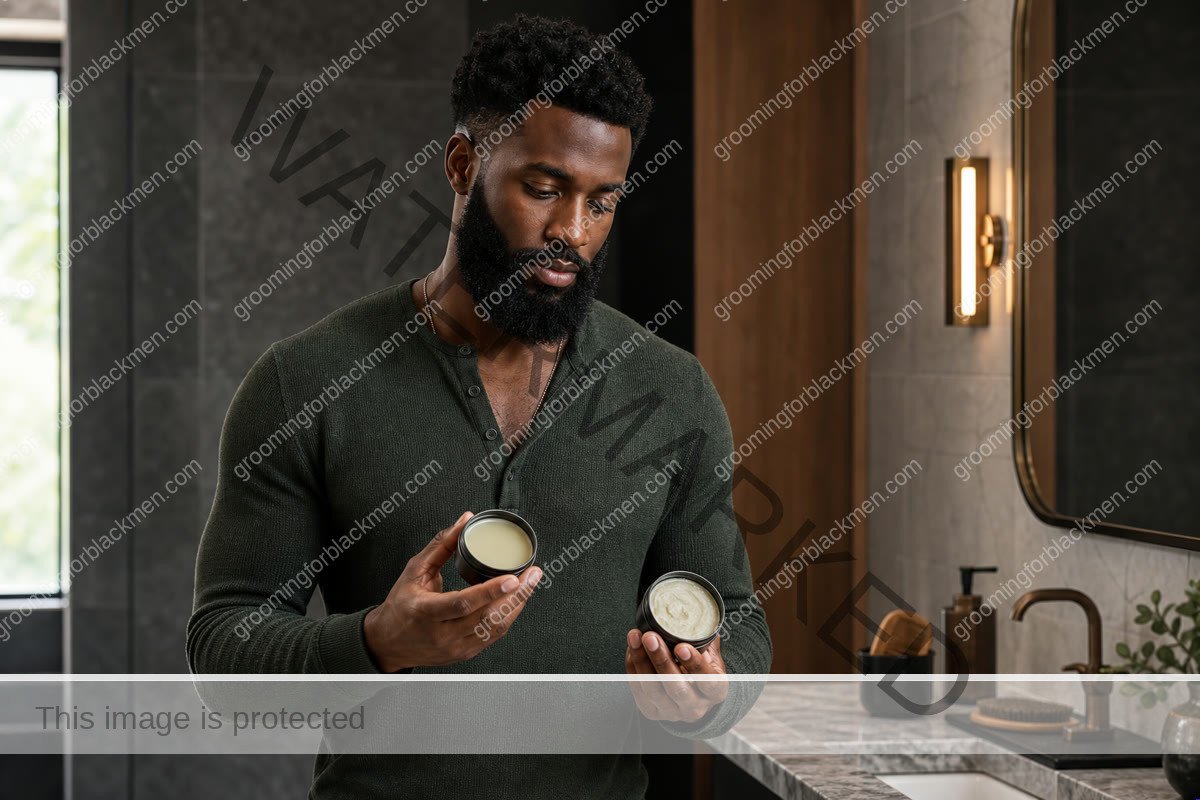
Beard care isn’t one-size-fits-all. Black men’s facial hair is typically coarser, curlier, and more prone to dryness than other hair types. That means what works for straight or wavy beards often falls short for us. If you’ve ever tried a highly-rated balm or butter and ended up with flakes, greasy residue, or a beard that still feels dry, you’re not alone.
Here’s why the beard balm vs butter for Black men practical grooming guide matters:
- Moisture retention: Coarse, curly beards lose moisture faster. Products that seal in hydration are essential for softness and growth.
- Hold vs softness: Some days you want shape and control, other days you want softness. The right product helps you get both—without buildup or breakage.
- Scalp and skin health: Dryness and irritation can lead to flakes, itch, and even ingrown hairs. Products that nourish both hair and skin are crucial.
- Appearance: A well-moisturized, shaped beard looks fuller, healthier, and more intentional—no matter your beard length or growth pattern.
Choosing between balm and butter isn’t about following trends. It’s about understanding what your beard needs and using products that respect your hair’s natural texture and your skin’s unique requirements. The right choice can help you avoid breakage, promote even growth, and keep your beard looking intentional—whether you’re at work, out with friends, or just handling your business day to day.
What Usually Goes Wrong
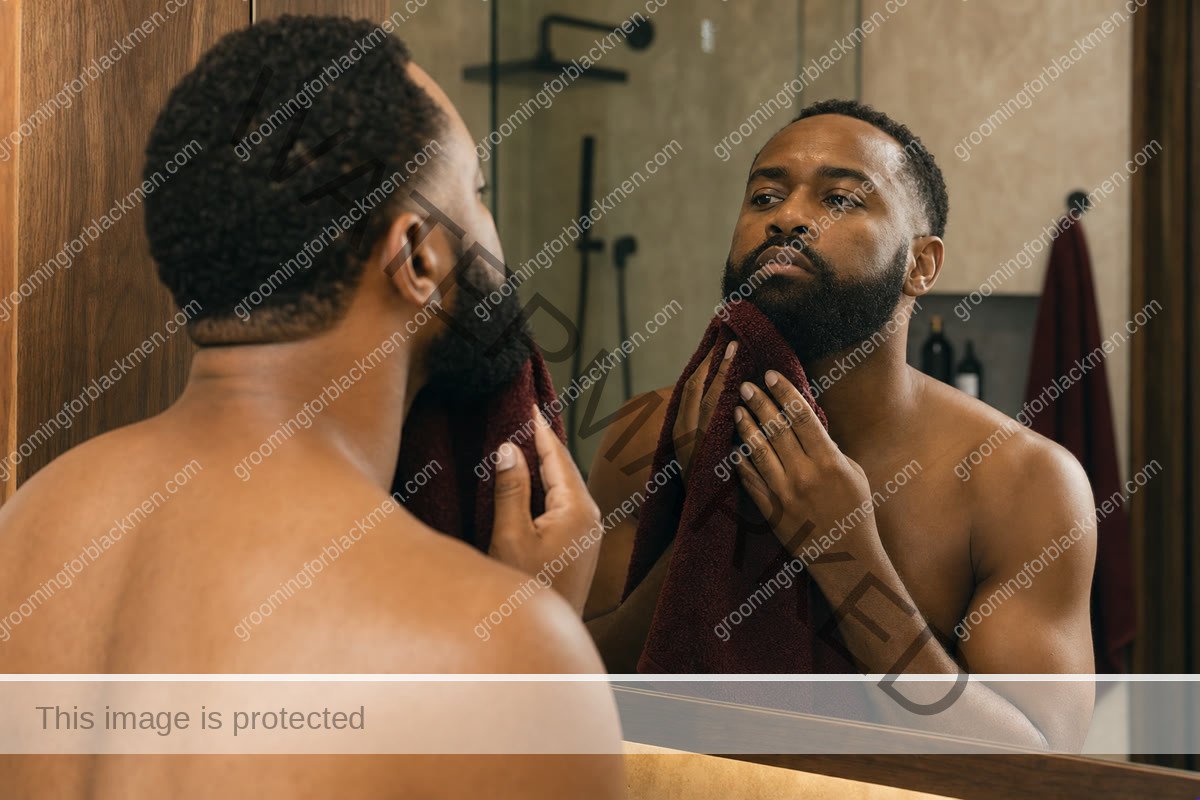
Most beard care advice ignores the realities of Black men’s grooming. Here’s what typically goes wrong when you pick the wrong product, or use it the wrong way:
- Dryness and flaking: Products with too much wax or alcohol can leave your beard dry and flaky, especially at the skin level. This is common with balms that prioritize hold over nourishment.
- Greasy buildup: Heavy butters or balms with low-quality oils can sit on top of the hair, causing buildup, clogged pores, and a greasy feel. This can suffocate your skin and make your beard look dull.
- Unmanageable beard: Without the right balance of moisture and hold, your beard can look unruly, patchy, or uneven—especially if it’s coarse or grows in multiple directions.
- Itch and irritation: Harsh fragrances, synthetic ingredients, or improper application can trigger itch and irritation, making you want to shave it all off.
- Ingrown hairs: Overly thick products or poor cleansing routines can trap hairs and lead to painful ingrowns, especially if you’re prone to razor bumps.
For more on handling beard dandruff and itch, see our guides on beard dandruff and beard itch for Black men. If you’re dealing with razor bumps, our razor bump prevention guide is essential reading.
What to Do Instead
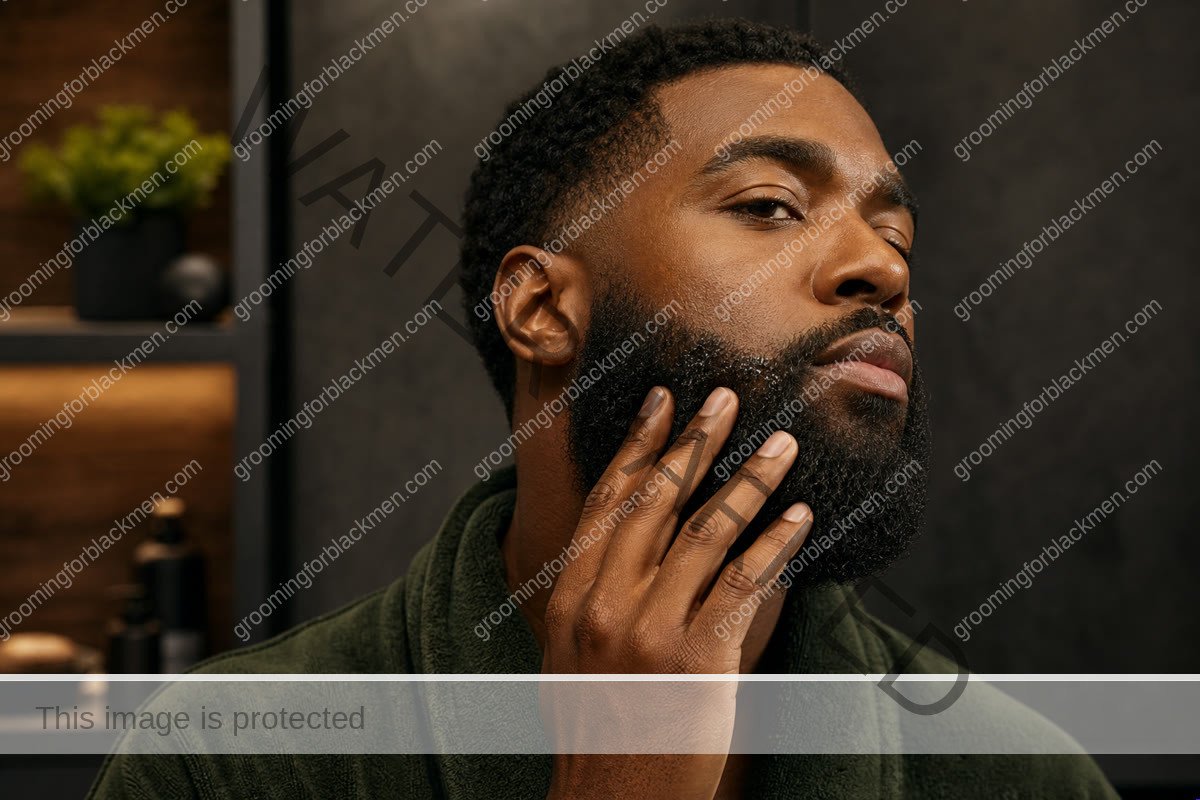
The right approach to grooming for Black men is about matching your beard’s needs to the strengths of each product. Here’s how to make balm and butter work for you, with practical, step-by-step logic:
Beard Balm: When and How to Use It
- Best for: Shaping, taming flyaways, and adding light hold. Ideal for medium to long beards or when you want a more defined look—think job interviews, date nights, or when you need your beard to look intentional and stay in place.
- How to use: After washing and towel-drying your beard, warm a small amount of balm between your palms. Work it through your beard, focusing on the outer layers for shape and control. Use a beard brush or comb to distribute evenly (best beard brush and comb guide). Start with less than you think you need; you can always add more.
- What to look for: Balms with shea butter, natural oils (jojoba, argan, coconut), and beeswax. Avoid products with heavy synthetic fragrances or alcohols. Look for a balm that melts easily in your hands and doesn’t leave a sticky residue.
Beard Butter: When and How to Use It
- Best for: Deep moisture, softness, and nourishment. Perfect for coarse, dry, or brittle beards, or if you want a softer, fuller look. Butter is your go-to for overnight conditioning or when your beard feels rough after a long day.
- How to use: After cleansing, apply a fingertip of butter to your palms, melt it, and massage deeply into your beard and skin. Focus on the roots and areas prone to dryness. Use at night or as a leave-in conditioner. Butter is especially effective after a hot shower, when your pores are open and your beard is most receptive to moisture.
- What to look for: Butters with shea, mango, or cocoa butter, plus natural oils. Minimal wax or none at all for maximum softness. The texture should be creamy and easy to spread, not gritty or overly oily.
Layering and Routine Tips
- Use beard oil for initial hydration, then layer balm or butter to seal in moisture. Oil penetrates, butter or balm locks it in.
- For shaping and moisture, use balm in the morning and butter at night. This two-step approach keeps your beard soft overnight and sharp during the day.
- Adjust based on weather: more butter in winter (when dry air strips moisture), more balm or lighter products in summer (when sweat and humidity can weigh your beard down).
- Cleanse regularly but gently—see our beard wash frequency guide. Overwashing can strip natural oils, so balance is key.
- Comb or brush your beard after applying products to distribute evenly and prevent clumping. For best results, use a wide-tooth comb for detangling and a boar bristle brush for shaping.
For a full breakdown of how oil, balm, and butter compare, see our oil vs balm vs butter guide. If you’re struggling with patchy growth, our patchy beard fixes offer targeted advice.
Product and Tool Criteria
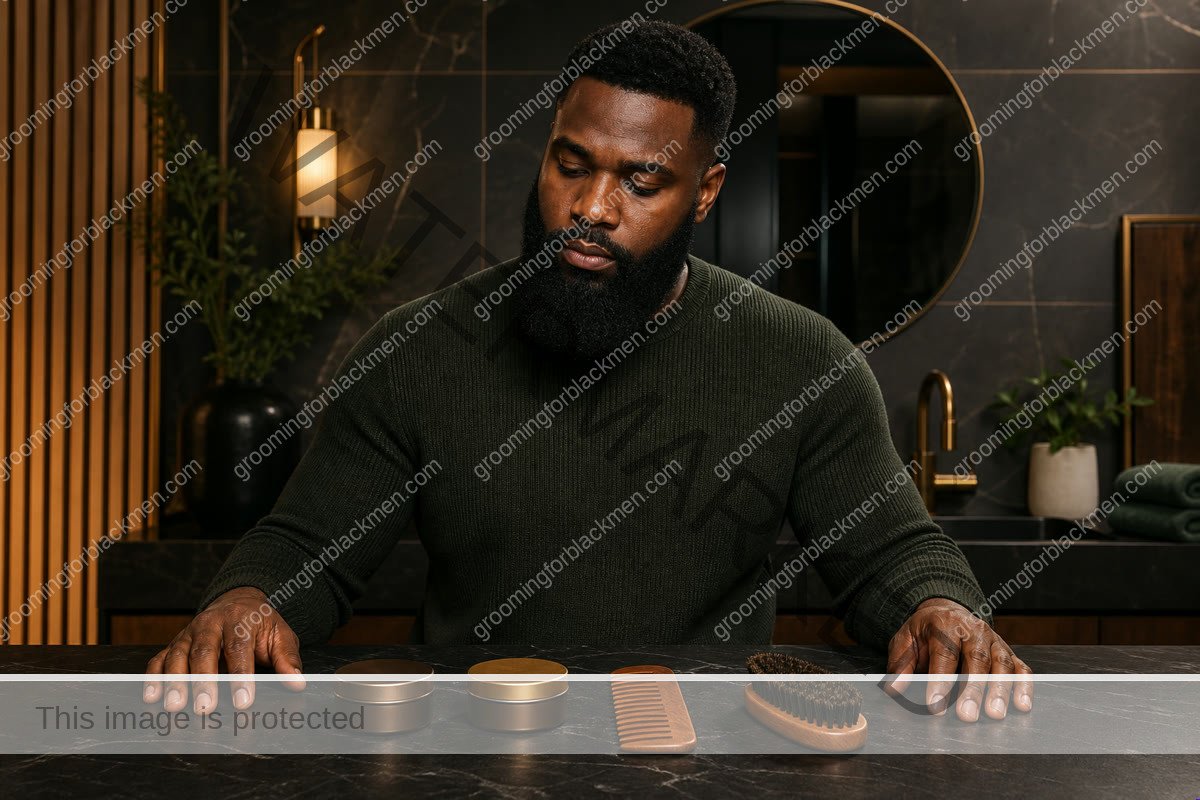
Not all balms and butters are created equal. Here’s what to look for if you want real results for Black men’s beards:
- Ingredients: Look for shea butter, mango butter, cocoa butter, jojoba oil, argan oil, and coconut oil. These nourish coarse hair and moisturize skin, supporting both beard health and skin comfort.
- Minimal wax in butter: Beard butter should be soft and easy to spread, with little or no wax. Balm should have some beeswax for hold, but not so much that it feels stiff or sticky. Too much wax can suffocate your hair and skin.
- No harsh alcohols or synthetic fragrances: These can dry out your beard and irritate your skin. Fragrance-free or naturally scented products are usually safer for sensitive skin.
- Non-comedogenic: Oils and butters shouldn’t clog pores or cause breakouts. Jojoba and argan oil are especially good for this.
- Packaging: Jars are easier for thick products. Avoid squeeze tubes if the product is too thick to dispense easily. Wide-mouth jars let you control how much you use and make it easy to scoop out product.
- Transparency: Brands that clearly list ingredients and explain their benefits are usually more trustworthy. Avoid mystery blends or products with a long list of unpronounceable chemicals.
GFBM may earn a small commission from qualifying purchases, but product examples are included to clarify criteria, not to promise results.
- Browse beard balms for Black men on Amazon
- Browse beard butters for Black men on Amazon
- Browse beard oils for Black men on Amazon
For tips on shaping your beard, see our beard shaping guide. If you’re struggling with patchy areas, read our advice on patchy beard fixes. For more on daily maintenance, our beginner beard routine is a solid foundation.
Real-Life Scenarios: Choosing and Using Balm or Butter
Let’s break down how balm and butter fit into realistic grooming routines for Black men, using everyday scenarios:
Scenario 1: The Busy Professional
You’re up early, need your beard to look sharp for work, but don’t have time for a 10-step routine. After showering, apply beard oil, then a small amount of balm to shape and control your beard. Use a brush to smooth flyaways. At night, use beard butter to replenish moisture lost during the day. This routine keeps your beard looking intentional and feeling soft, even on a tight schedule.
Scenario 2: The Gym-Goer
Sweat can dry out your beard and skin. After your workout and shower, apply beard butter to restore moisture and prevent dryness. If you’re heading out, use a light balm to tame your beard and keep it looking neat. Cleanse your beard regularly to avoid buildup from sweat and products.
Scenario 3: The Patchy Beard Grower
If your beard grows unevenly, use balm to shape and fill out patchy areas, creating the illusion of fullness. Butter helps keep the hair soft and encourages healthy growth. Consistency is key—stick to your routine and adjust as your beard fills in. For more targeted tips, see our patchy beard fixes.
Scenario 4: The Low-Maintenance Approach
If you prefer a simple routine, focus on quality over quantity. Use beard butter nightly for moisture and softness. In the morning, a quick brush-through is often enough. If you need extra control, add a touch of balm, but don’t overdo it. Minimalism works when your products are effective.
Scenario 5: Seasonal Adjustments
Winter air is harsh on coarse, curly beards. Use more beard butter and consider layering with oil for maximum moisture. In summer, lighten up—use balm for hold and a lighter butter or oil for hydration. Adjust your routine as the weather changes, and listen to your beard’s needs.
Troubleshooting and When to Get Help

Even with the right products, issues can come up. Here’s how to troubleshoot common beard care problems, and when it’s time to see a professional:
- Persistent dryness or flakes: Make sure you’re cleansing gently and moisturizing daily. If flakes, redness, or irritation persist, see a dermatologist. Sometimes, underlying skin conditions require professional care.
- Itch or irritation: Switch to fragrance-free products and avoid alcohols. Persistent itch, burning, or pain needs professional attention. Don’t scratch—this can make irritation worse.
- Ingrown hairs: Don’t dig or tweeze. Use a soft brush and exfoliate gently. If you see signs of infection (pain, swelling, pus), consult a clinician. For prevention, keep your beard clean and avoid heavy, pore-clogging products.
- Breakouts or bumps: Use non-comedogenic products and cleanse regularly. If breakouts don’t improve, get professional advice. Sometimes, the issue is more about your skin than your beard products.
- Product buildup: Wash your beard with a gentle cleanser 2-3 times a week, more often if you use heavy products. Don’t skip this step—buildup can suffocate your hair and skin, leading to dullness and irritation.
If you’re unsure about a product or routine, start simple and add one product at a time. For more on beard dandruff and itch, see our detailed guides linked above. If you notice painful, infected, spreading, or scarring irritation, always consult a qualified dermatologist or clinician.
Frequently Asked Questions
What is the main difference between beard balm and beard butter for Black men?
Beard balm is designed for hold and shaping, with a firmer texture thanks to beeswax. Beard butter is softer, focused on deep moisture and conditioning, with little or no wax. For coarse, curly beards, balm helps with control, while butter maximizes softness and hydration.
Can I use both beard balm and butter in my routine?
Yes. Many Black men benefit from using butter at night for deep moisture and balm in the morning for shape and hold. Layering with beard oil first can boost hydration and softness.
Which is better for dry, brittle beards—balm or butter?
Beard butter is usually better for deep moisture and softness, especially for dry, brittle, or coarse beards. Balm can help seal in that moisture and add shape, but butter is the go-to for hydration.
Will beard balm or butter help with beard dandruff?
Both can help reduce flakes by moisturizing the skin beneath your beard. Butter is especially effective for dry skin. For persistent dandruff, see our beard dandruff guide and consult a dermatologist if needed.
How do I avoid greasy buildup from beard products?
Use a small amount and focus on working it into your beard and skin. Choose products with natural, lightweight oils and butters. Cleanse your beard regularly to remove buildup, and avoid heavy, waxy products if you’re prone to greasiness.
Is beard balm or butter better for patchy beards?
Balm can help shape and fill out patchy areas, giving your beard a fuller appearance. Butter will keep the hair soft and healthy, which can make patchy spots less noticeable. For more tips, see our patchy beard fixes.
How often should I use beard balm or butter?
Use beard butter daily, especially at night, for moisture. Use balm as needed for shaping—usually in the morning. Adjust frequency based on your beard’s needs, weather, and how your skin feels. For more on routine, see our beginner beard routine.
What to Do Next
Now that you know the real difference between beard balm vs butter for Black men, it’s time to put this knowledge to work. Start by evaluating your beard’s needs: is it dry, unruly, patchy, or just in need of a moisture boost? Choose products that match your goals, stick to a consistent routine, and adjust as needed for weather and growth.
If you’re new to beard care, check out our beginner beard routine. For more in-depth advice on every aspect of beard care, visit our Beard Care & Beard Growth pillar. Remember: the best beard is the one that feels good, looks intentional, and fits your lifestyle. Stay disciplined, stay sharp, and respect your beard’s unique journey.