
Itchy scalp isn’t just a minor annoyance—it can disrupt your grooming routine, affect your confidence, and make every brush or wave session uncomfortable. For Black men with rich brown skin and coarse, curly hair, scalp health is a core part of looking and feeling your best. This practical guide examines the real causes of itchy scalp, what usually goes wrong with common advice, and how to build a routine that works for your hair and scalp—without hype, harsh chemicals, or empty promises.
Whether you’re maintaining 360 waves, a low fade, or a full afro, understanding the unique needs of your scalp is key. Black men’s hair and scalp require specific care—what works for other hair types often falls short or even causes more problems. If you’re tired of scratching, flaking, or discomfort, you’re not alone. This guide breaks down the facts, dispels myths, and gives you a disciplined, culturally aware approach to scalp care.
For a broader look at hair and scalp health, visit our Hair & Scalp Health Guide for Black Men. If you’re focused on waves, check out our 360 Waves Guide and related resources.
Real-Life Hair and Waves Scenarios for Itchy Scalp for Black Men
A waves or scalp routine has to work after the bathroom mirror, not just during the first ten minutes after brushing. Black men often have to balance dense curls, scalp comfort, haircut timing, durag habits, sweat, product buildup, and the pressure to keep the pattern looking clean every day. That is why itchy scalp for black men needs a practical system instead of random brushing, heavy product, or panic changes whenever the pattern looks uneven.
Start by separating three questions. First, what is the hair doing It may be dry, overcoated, frizzy, compressed unevenly, or not trained enough yet. Second, what is the scalp doing Tightness, flakes, itching, or soreness usually means the routine needs gentler cleansing, cleaner tools, better rinsing, or less buildup. Third, what is your schedule doing If you work out, wear hats, sweat heavily, or sleep without consistent compression, your routine has to account for that reality.
The goal is not to force the hair into a pattern overnight. The goal is to create steady conditions: clean scalp, moisturized hair, consistent brushing direction, reasonable compression, and enough patience to let the curl pattern train over time. For many Black men, the mistake is not lack of effort. It is too much inconsistent effort: changing brushes every few days, adding more product when the scalp needs washing, or brushing aggressively until the scalp feels tender.
Tools matter, but standards matter more. A wave brush should match your hair length and texture. A durag or wave cap should hold the hair down without leaving painful lines. Wash day should clean the scalp without stripping it so hard that the hair feels brittle. Product should support moisture and control, not bury the scalp under a waxy layer. When those basics are consistent, the routine starts to feel less like guesswork.
How to Audit Waves and Scalp Progress Without Overreacting
Audit the routine weekly, not every hour. Look at whether the pattern is becoming more consistent, whether the scalp feels calmer, whether flakes or itch are improving, and whether the hair still has movement after product. A clean routine should not make the scalp feel trapped. If the hair only looks controlled because it is stiff, greasy, or coated, the routine may be hiding a problem instead of solving it.
If progress stalls, change one variable at a time. Adjust brush firmness, brushing direction, wash frequency, compression time, or product amount separately so you can tell what helped. If the scalp becomes painful, inflamed, bleeding, or persistently flaky, pause aggressive styling and consider a dermatologist or qualified clinician. A polished look should not require ignoring discomfort. The best routine is the one that trains the hair while protecting the scalp underneath.
Real-Life Hair and Waves Scenarios for Itchy Scalp for Black Men
A waves or scalp routine has to work after the bathroom mirror, not just during the first ten minutes after brushing. Black men often have to balance dense curls, scalp comfort, haircut timing, durag habits, sweat, product buildup, and the pressure to keep the pattern looking clean every day. That is why itchy scalp for black men needs a practical system instead of random brushing, heavy product, or panic changes whenever the pattern looks uneven.
Start by separating three questions. First, what is the hair doing It may be dry, overcoated, frizzy, compressed unevenly, or not trained enough yet. Second, what is the scalp doing Tightness, flakes, itching, or soreness usually means the routine needs gentler cleansing, cleaner tools, better rinsing, or less buildup. Third, what is your schedule doing If you work out, wear hats, sweat heavily, or sleep without consistent compression, your routine has to account for that reality.
The goal is not to force the hair into a pattern overnight. The goal is to create steady conditions: clean scalp, moisturized hair, consistent brushing direction, reasonable compression, and enough patience to let the curl pattern train over time. For many Black men, the mistake is not lack of effort. It is too much inconsistent effort: changing brushes every few days, adding more product when the scalp needs washing, or brushing aggressively until the scalp feels tender.
Tools matter, but standards matter more. A wave brush should match your hair length and texture. A durag or wave cap should hold the hair down without leaving painful lines. Wash day should clean the scalp without stripping it so hard that the hair feels brittle. Product should support moisture and control, not bury the scalp under a waxy layer. When those basics are consistent, the routine starts to feel less like guesswork.
How to Audit Waves and Scalp Progress Without Overreacting
Audit the routine weekly, not every hour. Look at whether the pattern is becoming more consistent, whether the scalp feels calmer, whether flakes or itch are improving, and whether the hair still has movement after product. A clean routine should not make the scalp feel trapped. If the hair only looks controlled because it is stiff, greasy, or coated, the routine may be hiding a problem instead of solving it.
If progress stalls, change one variable at a time. Adjust brush firmness, brushing direction, wash frequency, compression time, or product amount separately so you can tell what helped. If the scalp becomes painful, inflamed, bleeding, or persistently flaky, pause aggressive styling and consider a dermatologist or qualified clinician. A polished look should not require ignoring discomfort. The best routine is the one that trains the hair while protecting the scalp underneath.
Real-Life Hair and Waves Scenarios for Itchy Scalp for Black Men
A waves or scalp routine has to work after the bathroom mirror, not just during the first ten minutes after brushing. Black men often have to balance dense curls, scalp comfort, haircut timing, durag habits, sweat, product buildup, and the pressure to keep the pattern looking clean every day. That is why itchy scalp for black men needs a practical system instead of random brushing, heavy product, or panic changes whenever the pattern looks uneven.
Start by separating three questions. First, what is the hair doing It may be dry, overcoated, frizzy, compressed unevenly, or not trained enough yet. Second, what is the scalp doing Tightness, flakes, itching, or soreness usually means the routine needs gentler cleansing, cleaner tools, better rinsing, or less buildup. Third, what is your schedule doing If you work out, wear hats, sweat heavily, or sleep without consistent compression, your routine has to account for that reality.
The goal is not to force the hair into a pattern overnight. The goal is to create steady conditions: clean scalp, moisturized hair, consistent brushing direction, reasonable compression, and enough patience to let the curl pattern train over time. For many Black men, the mistake is not lack of effort. It is too much inconsistent effort: changing brushes every few days, adding more product when the scalp needs washing, or brushing aggressively until the scalp feels tender.
Tools matter, but standards matter more. A wave brush should match your hair length and texture. A durag or wave cap should hold the hair down without leaving painful lines. Wash day should clean the scalp without stripping it so hard that the hair feels brittle. Product should support moisture and control, not bury the scalp under a waxy layer. When those basics are consistent, the routine starts to feel less like guesswork.
How to Audit Waves and Scalp Progress Without Overreacting
Audit the routine weekly, not every hour. Look at whether the pattern is becoming more consistent, whether the scalp feels calmer, whether flakes or itch are improving, and whether the hair still has movement after product. A clean routine should not make the scalp feel trapped. If the hair only looks controlled because it is stiff, greasy, or coated, the routine may be hiding a problem instead of solving it.
If progress stalls, change one variable at a time. Adjust brush firmness, brushing direction, wash frequency, compression time, or product amount separately so you can tell what helped. If the scalp becomes painful, inflamed, bleeding, or persistently flaky, pause aggressive styling and consider a dermatologist or qualified clinician. A polished look should not require ignoring discomfort. The best routine is the one that trains the hair while protecting the scalp underneath.
Why This Matters for Black Men
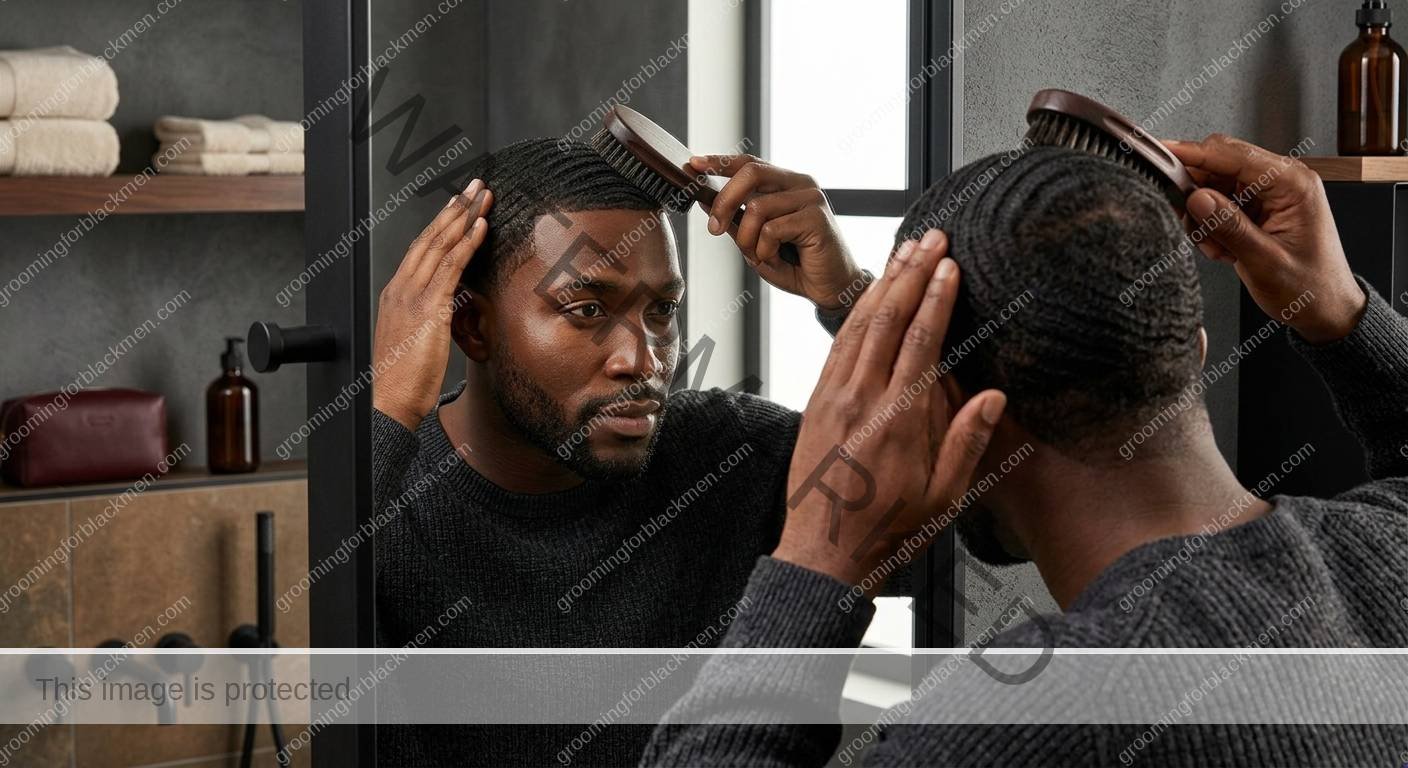
Black men’s hair is naturally curly, coily, or kinky, with a unique structure that makes the scalp more prone to dryness, buildup, and irritation. The natural oils (sebum) produced by your scalp have a harder time traveling down the twists and turns of each strand. This means your scalp can dry out faster, especially if you’re using the wrong products or over-washing.
Itchy scalp isn’t just about comfort—it’s about health, appearance, and discipline. Persistent itching can lead to:
- Visible flakes or ashy patches, especially on rich brown skin
- Disrupted wave patterns or uneven hair growth
- Increased risk of breakage, thinning, or irritation
- Reduced confidence and more time spent fixing, not enjoying, your style
Grooming for Black men means understanding these realities and building routines that respect your hair’s natural structure. It’s not about chasing trends or miracle cures—it’s about practical, consistent care that keeps your scalp healthy and your look sharp.
What Usually Goes Wrong

Most itchy scalp advice isn’t designed for Black men. Here’s where things often break down:
- Over-washing: Washing too often strips away natural oils, leaving the scalp dry and tight. Daily or every-other-day washing is rarely necessary for coarse, curly hair.
- Harsh shampoos: Many drugstore shampoos contain sulfates and heavy fragrances that can irritate the scalp, especially on rich brown skin.
- Heavy greases or oils: Greasy products can clog pores and trap sweat, leading to more itching and buildup.
- Neglecting the scalp: Focusing only on hair and ignoring the scalp leads to dryness, flaking, and discomfort.
- Rough tools: Hard brushes, aggressive scrubbing, or digging at flakes can cause microtears, irritation, or even infection.
- Ignoring persistent symptoms: Chronic itching, pain, or spreading irritation may signal a deeper issue that needs professional attention.
Many routines passed down or seen online don’t account for the unique needs of Black men’s hair and scalp. The result More itching, more flakes, and less confidence.
Understanding the Real Causes of Itchy Scalp
Before you can build a routine that works, it’s important to understand what actually causes itchy scalp for Black men. The most common culprits include:
- Dryness: Lack of moisture is the number one cause. Sebum struggles to travel down curly or coily strands, leaving the scalp exposed and parched.
- Buildup: Product residue, sweat, and dead skin cells can accumulate, especially if you use heavy creams, pomades, or don’t rinse thoroughly.
- Sensitivity: Rich brown skin can react strongly to fragrances, dyes, or harsh detergents in hair products.
- Environmental factors: Cold, dry weather, hard water, or even air pollution can strip moisture from the scalp.
- Protective styles: Braids, twists, or tight headwear can trap sweat and bacteria, especially if not cleaned regularly.
Sometimes, underlying conditions like seborrheic dermatitis, eczema, or psoriasis are at play. If you’ve tried disciplined care and still struggle, a dermatologist can help identify what’s really going on.
What to Do Instead: Step-by-Step Routine Logic

Building a disciplined, effective routine for an itchy scalp starts with understanding your hair and scalp’s needs. Here’s a practical, step-by-step approach:
1. Wash Less, But Wash Well
For most Black men, washing your hair and scalp once a week is enough. If you sweat heavily or use a lot of product, you might need to wash more often, but daily washing is rarely necessary.
- Choose a gentle, sulfate-free shampoo designed for dry or sensitive scalps.
- Focus on the scalp, not just the hair. Use your fingertips or a soft scalp brush to gently lift buildup without scratching. See our Wave Brush Selection Guide for tips.
- Rinse thoroughly. Leftover shampoo can cause itching and flakes.
Real-life scenario: If you hit the gym daily, rinse your scalp with water and use a damp cloth between full washes. This removes sweat without stripping natural oils.
2. Moisturize the Scalp—Not Just the Hair
After washing, apply a lightweight, fragrance-free moisturizer directly to your scalp. Avoid heavy greases or oils that can clog pores. Look for products with ingredients like aloe, glycerin, or jojoba oil.
- Section your hair and apply moisturizer to your scalp using your fingertips.
- Massage gently to encourage absorption and stimulate circulation.
- Don’t overdo it—too much product can cause buildup and more itching.
Decision criteria: If your scalp feels greasy, sticky, or you notice more flakes, switch to a lighter formula or reduce how much you use.
3. Brush and Massage Gently
Use a soft or medium wave brush or a silicone scalp brush to stimulate blood flow and distribute natural oils. Don’t dig at flakes or scratch with your nails—this can make things worse.
- Brush in the direction of your wave pattern or natural growth.
- Limit brushing to once or twice a day to avoid irritation.
- Clean your brush regularly to prevent bacteria buildup.
For more on building a disciplined wave routine that supports scalp health, see our Waves Wash Day Guide and Waves Troubleshooting Guide.
4. Protect Your Scalp at Night
Wear a clean durag or wave cap to reduce friction and lock in moisture. Make sure your headwear is clean—dirty fabrics can transfer oils and bacteria back to your scalp.
- Wash your durag or cap at least once a week, more often if you sweat heavily.
- Choose silk or satin for less friction and better moisture retention.
- Avoid tying your headwear too tightly; this can cause irritation or even headaches.
For headwear tips, check out Durag vs Wave Cap Guide.
5. Watch for Patterns and Adjust
If you notice certain products, fabrics, or routines make your scalp itchier, adjust accordingly. Sometimes, less is more.
- Keep a simple grooming journal to track what you use and how your scalp responds.
- Change one thing at a time so you know what’s working (or not).
Real-life scenario: If you switch shampoos and suddenly notice more flakes, go back to your previous product or try a gentler option.
Product and Tool Criteria for Itchy Scalp
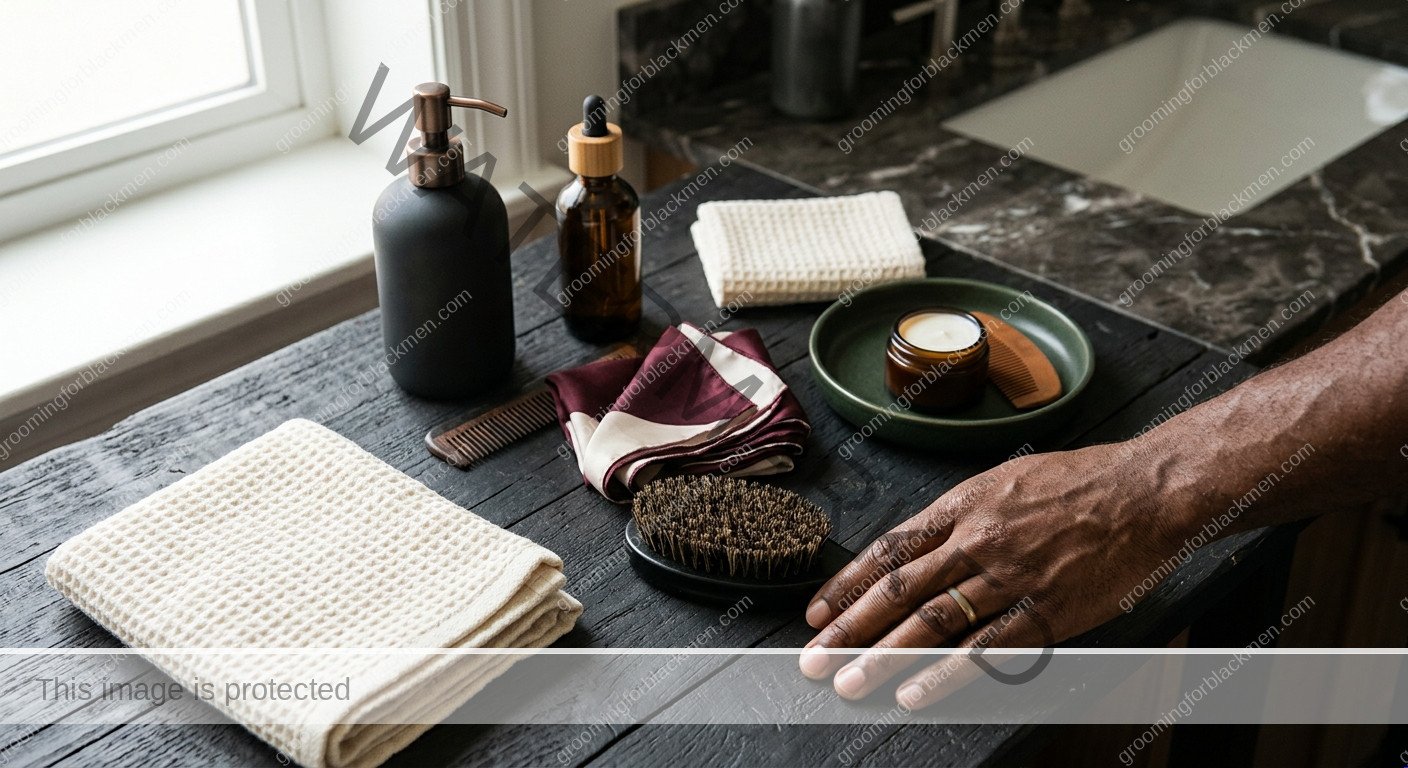
Choosing the right products and tools can make a real difference for itchy scalp. Here’s what to look for—and what to avoid.
- Shampoo: Look for sulfate-free, fragrance-free, or hypoallergenic formulas. Avoid products with alcohol, heavy fragrances, or harsh detergents.
- Moisturizer: Opt for lightweight, non-comedogenic (won’t clog pores) scalp moisturizers. Ingredients like aloe, glycerin, and jojoba are good choices.
- Scalp Brush: Choose a soft or silicone-tipped brush. Avoid hard, stiff bristles that can scratch or irritate the scalp.
- Headwear: Use clean, breathable durags or wave caps made from silk or satin to minimize friction and lock in moisture.
GFBM may earn a small commission from qualifying purchases, but product examples are included to clarify criteria, not to promise results.
- Itchy scalp shampoo for Black men: Look for sulfate-free, gentle cleansers that respect your scalp’s natural oils.
- Fragrance free scalp moisturizer: Hydrates without clogging pores or adding unnecessary fragrance.
- Scalp brush for Black men: Gentle stimulation and cleansing without scratching or damaging the scalp.
For more on choosing the right brush for waves and scalp health, see our Wave Brush Selection Guide. For headwear tips, check out Durag vs Wave Cap Guide.
Real-Life Scenarios: Troubleshooting and Adjusting Your Routine

Most itchy scalp issues improve with a disciplined, gentle routine. But sometimes, things don’t go as planned. Here’s how to troubleshoot common scenarios:
Scenario 1: Persistent Flakes Despite Moisturizing
If you’re moisturizing but still see flakes, the issue might be buildup. Try a gentle clarifying wash once a month (not more often), making sure to rinse thoroughly. If flakes persist, consider if your moisturizer is too heavy or contains ingredients that don’t agree with your scalp.
Scenario 2: Itching After Protective Styles
Braids, twists, or locs can trap sweat and product. Between installs, give your scalp a break and wash thoroughly. Use a spray bottle with diluted leave-in conditioner or aloe juice to keep your scalp hydrated without heavy buildup.
Scenario 3: Itchy Scalp After a Fresh Cut
Clippers and trimmers can irritate the scalp, especially if the barber uses harsh sprays or doesn’t clean tools. After a cut, apply a gentle, fragrance-free moisturizer and avoid scratching. If you notice bumps or irritation, bring your own products or talk to your barber about your sensitivities.
Scenario 4: Sudden Increase in Itching or Bumps
If you suddenly develop intense itching, redness, or bumps, stop using new products and simplify your routine. Sometimes, a new shampoo, gel, or even laundry detergent can trigger a reaction. If symptoms don’t improve, see a dermatologist.
Scenario 5: Seasonal Changes
Cold, dry air in winter or increased sweating in summer can change your scalp’s needs. In winter, use a humidifier at night and moisturize more often. In summer, rinse sweat off your scalp and avoid heavy products that trap heat.
Troubleshooting and When to Get Help
Most itchy scalp issues improve with a disciplined, gentle routine. But if you notice any of the following, it’s time to see a dermatologist or qualified clinician:
- Painful, swollen, or bleeding areas
- Signs of infection (pus, spreading redness, fever)
- Scarring, patchy hair loss, or persistent bald spots
- Itching that doesn’t improve after several weeks of careful care
Don’t dig at ingrown hairs, use undiluted essential oils, or try harsh DIY remedies. These can make things worse, not better. A professional can help identify underlying issues and recommend safe, effective solutions.
Frequently Asked Questions
Why does my scalp itch more after a fresh cut
Fresh cuts can expose the scalp to air, clippers, or products that irritate sensitive skin. If the barber uses harsh sprays or doesn’t clean tools properly, this can also trigger itching. Use a gentle, fragrance-free moisturizer after cuts and avoid scratching. If irritation persists, consider bringing your own products or discussing your sensitivities with your barber.
How often should Black men wash their hair to prevent itchy scalp
For most Black men, washing once a week is enough. Over-washing can strip essential oils and dry out the scalp. If you sweat heavily or use a lot of product, you might need to wash more often, but always use a gentle, sulfate-free shampoo and focus on scalp health.
What ingredients should I avoid in scalp products
Avoid sulfates, alcohol-heavy formulas, heavy fragrances, and mineral oil-based greases. These can dry out or irritate the scalp. Look for products with simple, hydrating ingredients like aloe, glycerin, or jojoba oil.
Can wearing a durag or wave cap make my scalp itchier
If your durag or wave cap is dirty, too tight, or made from rough fabric, it can trap sweat and irritate the scalp. Always use clean, breathable headwear and avoid tying it too tightly. Silk or satin materials are best for reducing friction and locking in moisture.
Is it safe to use oils like coconut or castor oil on my scalp
Light oils can help seal in moisture, but heavy oils can clog pores and worsen itching for some men. If you use oils, apply sparingly and monitor how your scalp responds. If you notice more itching or bumps, switch to a lighter, non-comedogenic moisturizer.
What’s the best way to deal with flakes or visible dryness
Gently cleanse the scalp with a soft brush and a sulfate-free shampoo. Moisturize regularly with a lightweight, fragrance-free product. Avoid scratching or picking at flakes—this can cause irritation or infection. If flakes persist, see a dermatologist for tailored advice.
When should I see a professional about my itchy scalp
If you have pain, swelling, spreading redness, signs of infection, scarring, or persistent itching that doesn’t improve with careful care, see a dermatologist or qualified clinician. Early intervention can prevent more serious problems and protect your scalp health.
What to Do Next
Itchy scalp doesn’t have to be a permanent part of your grooming routine. Start with a disciplined, gentle approach: wash less often with the right shampoo, moisturize your scalp, use the right tools, and protect your head at night. Track what works for you and adjust as needed—your scalp’s needs may change with the seasons, your style, or your activity level.
For a deeper dive into hair and scalp health, visit our Hair & Scalp Health Guide for Black Men. If you’re focused on waves, check out our 360 Waves Guide and related resources. Stay disciplined, stay sharp, and remember: your grooming routine should work for you—not against you.