Coarse Beard Softening for Black Men: Practical Grooming Guide
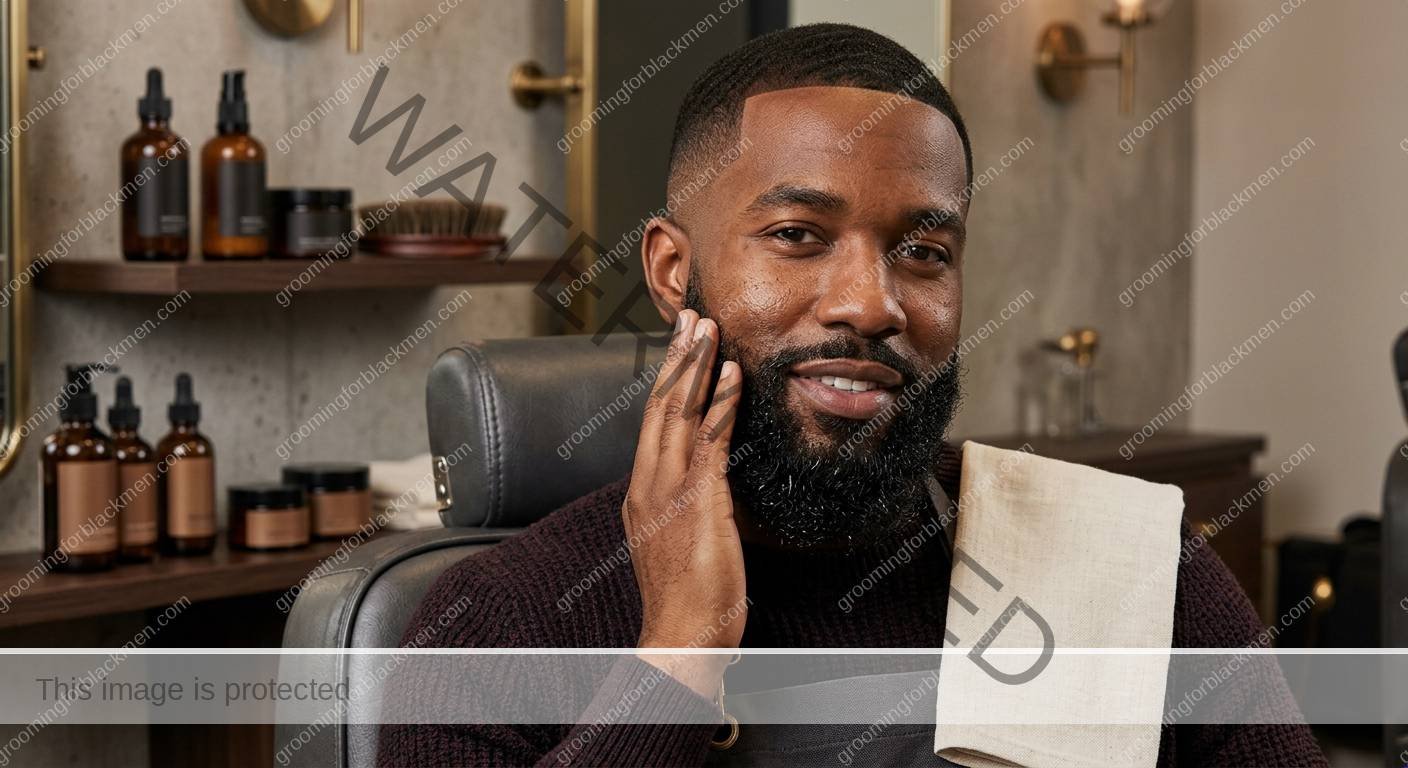
Coarse beard hair is a reality for many Black men. It’s thick, wiry, and often grows in tight curls. For some, it’s a badge of honor—a sign of maturity and identity. For others, it can be a daily challenge: rough texture, dryness, and irritation can make grooming feel like a chore. If you’re searching for a practical, no-nonsense approach to softening a coarse beard without hype or empty promises, you’re in the right place.
This guide is written for Black men who want real results, not miracle claims. You’ll find grounded advice on softening coarse beard hair, maintaining healthy skin underneath, and building a routine that fits your life. Whether you’re new to beard care or looking to upgrade your routine, you’ll get practical steps, clear criteria for choosing products, and troubleshooting tips for common problems.
Coarse beard softening for Black men isn’t about chasing a silky-smooth look that erases your natural texture. It’s about managing dryness, reducing breakage, and making your beard more comfortable to touch, style, and maintain. The goal is a beard that feels good, looks healthy, and fits your personal style—on your terms.
If you want a deeper dive into the basics of beard care, check out our Beard Care & Beard Growth pillar. For now, let’s focus on what makes coarse beard softening unique for Black men and how to get it right.
Real-Life Beard Routine Scenarios for Coarse Beard Softening for Black Men
A strong beard routine has to work outside of perfect bathroom-counter conditions. It has to work when you are rushing before work, when your beard feels dry after a long day, when the weather changes, and when your barber has shaped the line cleaner than you expected. For Black men, that routine also has to respect dense curls, coarse strands, sensitive skin under the beard, and the fact that product buildup can hide until the beard starts itching, flaking, or looking dull.
Start by reading the beard before adding more product. If the beard feels rough but the skin underneath is calm, you may need better conditioning, a lighter oil, or more consistent brushing. If the skin feels tight, itchy, or irritated, the answer is usually not more shine. It may be a gentler wash schedule, a cleaner rinse, a lighter hand with balm, or a pause from heavy fragrance. The discipline is in changing one variable at a time so you can tell what actually helped.
For a short beard, keep the routine direct: cleanse when needed, moisturize the skin beneath, use a small amount of oil or balm, and brush enough to distribute product without scraping the skin. For a fuller beard, section the work. Apply product from the skin outward, then shape the hair so the surface looks neat without leaving the roots dry. The fuller the beard gets, the more important it becomes to separate grooming from coating. A beard can look shiny and still be dehydrated underneath.
Budget matters too. You do not need a crowded shelf to manage coarse beard softening for black men. A dependable wash, one conditioning product, and one tool you actually use will outperform five products that fight each other. If money is tight, upgrade the item that touches your skin or beard most often. If time is tight, simplify the routine instead of skipping care entirely. Consistency beats a complicated plan that only happens twice a month.
How to Audit Your Beard Without Overreacting
Give any beard change enough time to show a pattern. One dry morning does not mean the routine failed. One good beard day does not mean every product is perfect. Track how your beard feels after washing, how the skin underneath feels at night, whether flakes return quickly, and whether the beard holds shape without becoming stiff. Those signals tell you more than packaging claims or social media routines built for a different texture.
If irritation shows up, simplify. Remove the newest product first, reduce fragrance, avoid scratching, and return to a basic cleanse-and-moisturize rhythm. If flakes, soreness, bleeding, swelling, or persistent itching keep coming back, that is a reason to get professional help rather than forcing stronger products into the routine. Grooming should make you look more put together, but it should also leave your skin calmer over time.
Real-Life Beard Routine Scenarios for Coarse Beard Softening for Black Men
A strong beard routine has to work outside of perfect bathroom-counter conditions. It has to work when you are rushing before work, when your beard feels dry after a long day, when the weather changes, and when your barber has shaped the line cleaner than you expected. For Black men, that routine also has to respect dense curls, coarse strands, sensitive skin under the beard, and the fact that product buildup can hide until the beard starts itching, flaking, or looking dull.
Start by reading the beard before adding more product. If the beard feels rough but the skin underneath is calm, you may need better conditioning, a lighter oil, or more consistent brushing. If the skin feels tight, itchy, or irritated, the answer is usually not more shine. It may be a gentler wash schedule, a cleaner rinse, a lighter hand with balm, or a pause from heavy fragrance. The discipline is in changing one variable at a time so you can tell what actually helped.
For a short beard, keep the routine direct: cleanse when needed, moisturize the skin beneath, use a small amount of oil or balm, and brush enough to distribute product without scraping the skin. For a fuller beard, section the work. Apply product from the skin outward, then shape the hair so the surface looks neat without leaving the roots dry. The fuller the beard gets, the more important it becomes to separate grooming from coating. A beard can look shiny and still be dehydrated underneath.
Budget matters too. You do not need a crowded shelf to manage coarse beard softening for black men. A dependable wash, one conditioning product, and one tool you actually use will outperform five products that fight each other. If money is tight, upgrade the item that touches your skin or beard most often. If time is tight, simplify the routine instead of skipping care entirely. Consistency beats a complicated plan that only happens twice a month.
How to Audit Your Beard Without Overreacting
Give any beard change enough time to show a pattern. One dry morning does not mean the routine failed. One good beard day does not mean every product is perfect. Track how your beard feels after washing, how the skin underneath feels at night, whether flakes return quickly, and whether the beard holds shape without becoming stiff. Those signals tell you more than packaging claims or social media routines built for a different texture.
If irritation shows up, simplify. Remove the newest product first, reduce fragrance, avoid scratching, and return to a basic cleanse-and-moisturize rhythm. If flakes, soreness, bleeding, swelling, or persistent itching keep coming back, that is a reason to get professional help rather than forcing stronger products into the routine. Grooming should make you look more put together, but it should also leave your skin calmer over time.
Why This Matters for Black Men

Black men’s facial hair is unique. The follicles are often curved, producing hair that’s tightly coiled, thick, and prone to dryness. This texture is beautiful and distinctive, but it comes with specific grooming needs. Here’s why softening a coarse beard matters:
- Comfort: Coarse, dry beard hair can feel scratchy against your skin and anyone else’s. Softening it reduces irritation and makes daily grooming less of a hassle.
- Breakage and Patchiness: Dry, brittle hair breaks more easily. Keeping your beard soft helps prevent patchiness and promotes a fuller look.
- Ingrown Hairs: Curly beard hair is more likely to grow back into the skin, causing bumps and irritation. Softer, well-moisturized hair is less likely to curl tightly and cause problems.
- Appearance: A soft, healthy beard looks more defined and less frizzy. It’s easier to shape, style, and maintain.
- Skin Health: The right softening routine supports the skin underneath, reducing dryness, flaking, and discomfort.
Grooming for Black men isn’t about changing your natural texture—it’s about respecting it, working with it, and keeping it healthy. A coarse beard doesn’t have to mean a rough experience. Instead, it can be a source of pride and self-expression when cared for with intention.
What Usually Goes Wrong

Many Black men run into the same issues when trying to soften a coarse beard. Here’s what often goes wrong:
- Overwashing: Washing your beard with harsh soaps or too frequently strips away natural oils, leaving hair dry and brittle.
- Skipping Moisture: Beard hair needs more moisture than scalp hair. Neglecting oils, butters, or conditioners leaves it rough and prone to breakage.
- Wrong Products: Many mainstream products aren’t formulated for coarse, curly hair. Lightweight oils or alcohol-heavy products don’t deliver lasting softness.
- Rough Handling: Aggressive brushing, combing, or towel-drying can damage hair and irritate skin, especially when beard hair is dry.
- Ignoring the Skin: Focusing only on beard hair and neglecting the skin underneath leads to itchiness, flakes, and irritation.
- DIY Overkill: Harsh home remedies, undiluted essential oils, or digging for ingrown hairs can do more harm than good.
These mistakes are common, but they’re avoidable. The right approach to coarse beard softening for Black men is practical, patient, and tailored to your unique texture. It’s about understanding your beard’s needs and responding with discipline, not desperation.
What to Do Instead

Here’s a disciplined, step-by-step approach to softening a coarse beard—built for Black men’s hair and skin. Each step is designed to respect your natural texture while making your beard softer, more manageable, and healthier overall.
1. Cleanse Gently, Not Aggressively
Use a mild, sulfate-free beard wash or gentle cleanser. Avoid bar soaps or harsh shampoos that strip natural oils. Wash 2-3 times a week, not daily, unless you sweat heavily or work in a dusty environment. If you’re active or exposed to pollution, rinse with water between washes. For more on wash frequency, see our beard wash frequency guide.
2. Condition Every Time You Wash
After cleansing, use a beard conditioner or co-wash. This step softens hair, reduces tangles, and adds moisture. Leave it in for a few minutes before rinsing. If your beard is especially dry or feels stiff, consider a deep conditioning treatment once a week. Apply a generous amount, cover with a warm towel, and let it sit for 10-20 minutes before rinsing thoroughly.
3. Moisturize Daily
Apply a beard oil or beard butter daily, even on non-wash days. Oils lock in moisture, while butters provide extra softness and protection. Focus on working the product into both your beard and the skin underneath. If your beard is longer or denser, section it with your fingers to ensure even coverage. For a breakdown of which product to choose, check our beard oil vs balm vs butter guide.
4. Detangle Gently
Use a wide-tooth comb or a beard brush with soft bristles. Start at the tips and work your way up to the roots. Never force through knots—add more conditioner or oil if needed. Detangle when your beard is damp, not soaking wet or bone dry. See our best beard brush and comb guide for tool options.
5. Protect at Night
Consider sleeping on a satin or silk pillowcase, or wrapping your beard in a satin scarf or durag. This reduces friction, breakage, and dryness overnight. Cotton pillowcases can draw moisture away from your hair, so upgrading your bedding is a simple but powerful move.
6. Trim and Shape Regularly
Regular trims remove split ends and keep your beard looking healthy. Use sharp scissors or clippers, and shape your beard to suit your face. Don’t wait for your beard to look ragged—set a schedule (every 2-4 weeks) and stick to it. For tips, see how to shape your beard.
7. Stay Consistent
Softening a coarse beard is about routine, not quick fixes. Stick with your regimen for at least a few weeks before expecting noticeable changes. If you’re just starting out, keep things simple and build up as you learn what your beard responds to. For beginners, see our beginner beard routine.
8. Adjust for Your Lifestyle
If you’re active, exposed to harsh weather, or have a physically demanding job, you may need to tweak your routine. Extra sweat or dust may require more frequent rinsing, while winter air calls for heavier butters and oils. Listen to your beard and skin—they’ll tell you when it’s time to adjust.
Product and Tool Criteria
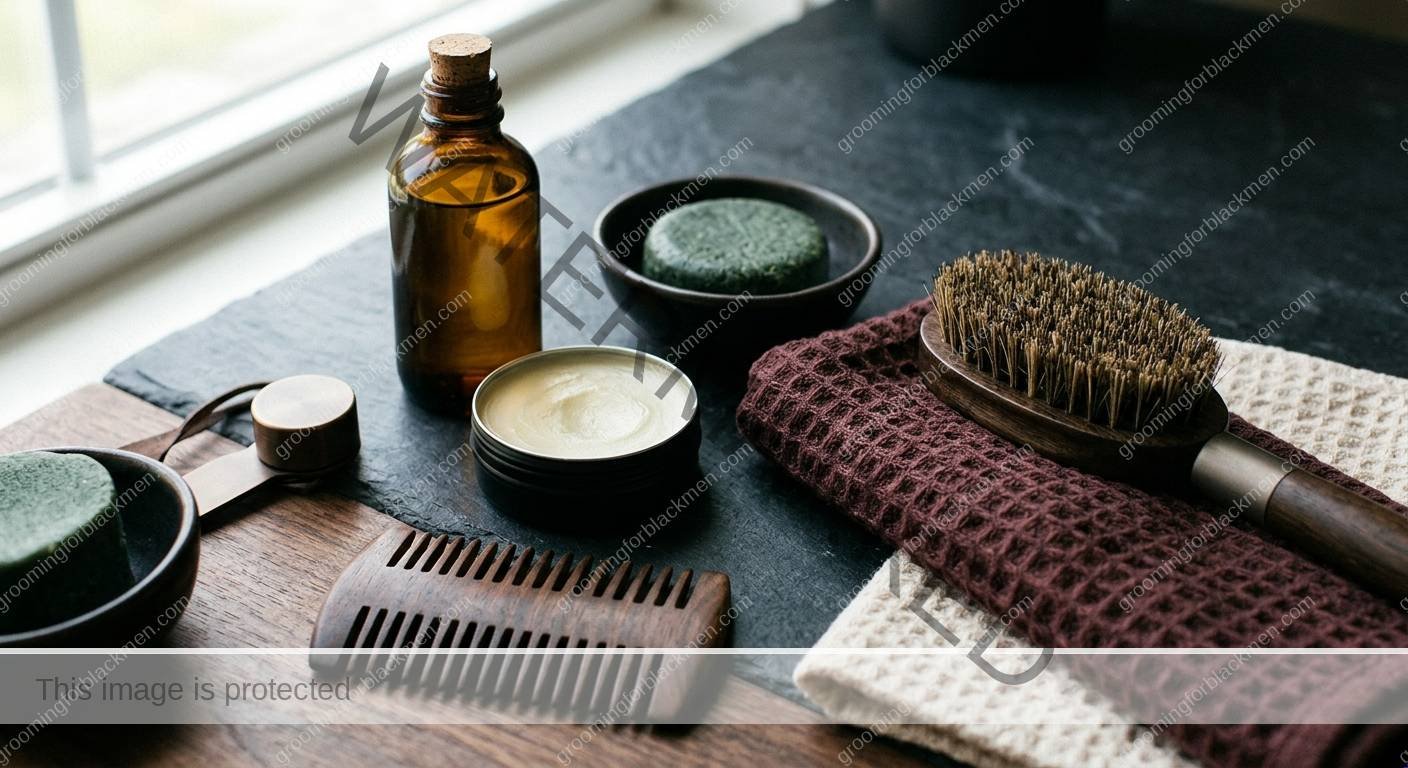
GFBM may earn a small commission from qualifying purchases, but product examples are included to clarify criteria, not to promise results.
When choosing products and tools for coarse beard softening, look for these criteria:
- Moisturizing Ingredients: Shea butter, coconut oil, jojoba oil, argan oil, and aloe vera are excellent for coarse, curly hair. These ingredients penetrate thick hair shafts and help retain moisture.
- No Harsh Alcohols or Sulfates: Avoid products with drying alcohols or sulfates, which strip moisture and irritate skin. Read ingredient lists carefully—some “beard” products are just relabeled scalp products.
- Rich, Creamy Textures: Butters and conditioners should feel substantial, not watery. A thicker texture means more lasting hydration for coarse hair.
- Fragrance: Choose light, non-irritating scents or fragrance-free if you have sensitive skin. Overly strong fragrances can cause irritation, especially if you have eczema or allergies.
- Combs and Brushes: Wide-tooth combs and soft-bristle brushes are best for detangling and distributing product without breakage. Avoid metal combs or hard plastic that can snag and damage hair.
Here are practical examples to help you shop:
- Beard butter for Black men: Look for formulas with shea butter and natural oils for lasting softness. A good beard butter should melt into your hands and absorb into your beard, not just sit on top.
- Beard oil for Black men: Choose blends with jojoba, argan, or castor oil for deep moisture without greasiness. Apply a few drops to your palms, rub together, and massage through your beard and skin.
- Beard conditioner for men: Select conditioners designed for coarse or curly hair, ideally sulfate-free. A good conditioner will leave your beard feeling soft after rinsing, not stripped or squeaky.
Remember: No product will change your beard’s natural texture, but the right choices make it softer, healthier, and easier to manage. Quality matters more than hype—choose products that respect your beard’s needs, not just what’s trending.
Building a Realistic Routine: Step-by-Step
Let’s break down a practical daily and weekly routine for softening a coarse beard. Use this as a template, but adjust for your lifestyle, beard length, and skin needs.
Morning Routine
- Rinse (if needed): If you sweat overnight or have product buildup, rinse with lukewarm water.
- Apply Beard Oil or Butter: While your beard is slightly damp, apply your chosen product. Work it into the beard and down to the skin.
- Detangle: Use a wide-tooth comb or soft brush to distribute product and shape your beard. Start at the ends and work upward.
- Style: Shape your beard as desired. If you use a balm for hold, apply it after oil or butter.
Evening Routine
- Moisturize Again (if needed): If your beard feels dry at night, apply a small amount of oil or butter before bed.
- Protect: Sleep on a satin/silk pillowcase or wrap your beard to reduce friction and moisture loss.
2-3 Times Per Week
- Cleanse: Use a gentle beard wash or co-wash. Massage into the beard and rinse thoroughly.
- Condition: Apply a beard conditioner. Let it sit for a few minutes, then rinse. For deep conditioning, leave on longer and use a warm towel for extra penetration.
Weekly or Biweekly
- Trim: Remove split ends and shape your beard. Use sharp tools and take your time.
- Deep Condition: If your beard is especially coarse, use a deep conditioner or hair mask once a week.
- Gentle Exfoliation: Use a soft brush or mild scrub to exfoliate the skin under your beard. This helps prevent ingrown hairs and flakes.
Real-Life Scenarios
Scenario 1: The Busy Professional
You’re short on time but want your beard to look and feel good. Stick to the basics: cleanse 2-3 times a week, apply oil or butter daily, and detangle in the morning. Use a satin pillowcase so you don’t have to wrap your beard every night.
Scenario 2: The Gym Regular
Sweat can dry out your beard and irritate your skin. Rinse with water after workouts, and consider a gentle wash if you sweat heavily. Moisturize after every rinse to keep your beard soft.
Scenario 3: The Outdoorsman
Exposure to sun, wind, or cold can make your beard brittle. Use richer butters, and don’t skip nighttime protection. Deep condition weekly to restore moisture lost to the elements.
Scenario 4: The New Grower
If your beard is just coming in, resist the urge to over-wash or over-style. Focus on gentle cleansing, daily moisture, and patience. Growth takes time, but a disciplined routine pays off.
Troubleshooting and When to Get Help

Even with a solid routine, you might hit a few bumps. Here’s how to troubleshoot common issues:
- Persistent Dryness: Double-check your wash frequency and product ingredients. You may need to increase conditioning or switch to richer products. Sometimes, environmental factors (like dry air or hard water) can also play a role. Try using a humidifier in your bedroom if dryness is a constant battle.
- Beard Dandruff: Flakes often mean your skin is dry or irritated. Use a gentle beard wash, moisturize daily, and avoid scratching. For more, see our beard dandruff guide.
- Itchiness: Itch is common when growing out a coarse beard or if the skin is dry. Stay consistent with moisturizing and gentle cleansing. See our beard itch guide for more tips.
- Ingrown Hairs: Don’t dig or tweeze aggressively. Use gentle exfoliation (with a soft brush or mild scrub) and keep hair and skin moisturized. If you’re prone to ingrowns, avoid shaving too close and keep your beard at a manageable length.
- Patchiness or Breakage: This can result from dryness or rough handling. Focus on moisture, gentle detangling, and regular trims. For more, see our patchy beard fixes.
- Product Buildup: If your beard feels heavy or greasy, clarify with a gentle, sulfate-free cleanser and reduce the amount of product you use. Less is often more, especially with thick butters and oils.
If you experience persistent pain, infection, spreading irritation, scarring, or anything that doesn’t improve with good grooming habits, consult a dermatologist or qualified clinician. Some issues require professional support, and there’s no shame in getting expert help. Your beard and skin deserve proper care, and sometimes that means bringing in a specialist.
Frequently Asked Questions
How often should I wash my coarse beard?
Most Black men with coarse beards should wash 2-3 times a week with a gentle, sulfate-free beard wash. Overwashing strips natural oils and increases dryness. Adjust based on your lifestyle and environment.
What’s the best way to moisturize a coarse beard?
Apply beard oil or beard butter daily, focusing on both the hair and the skin underneath. Use products with rich, natural oils and butters. For extra moisture, layer a beard conditioner after washing.
Can I use regular hair products on my beard?
It’s best to use products formulated for beards, as scalp hair products may contain ingredients that are too harsh or not moisturizing enough for facial hair and skin. Beard-specific products are designed to address the unique needs of coarse, curly beard hair.
How do I prevent breakage in my beard?
Keep your beard moisturized, detangle gently with a wide-tooth comb or soft brush, and trim split ends regularly. Avoid aggressive brushing, rough towel-drying, and harsh chemicals.
What should I do about beard itch and flakes?
Itch and flakes are often caused by dryness or irritation. Use a gentle beard wash, moisturize daily, and avoid scratching. If the problem persists, see our beard dandruff guide and beard itch guide for targeted advice.
Is it possible to make my beard softer without losing its natural texture?
Yes. The goal is to reduce roughness and dryness, not to erase your natural curl pattern. Proper cleansing, conditioning, and moisturizing will make your beard feel softer while respecting its authentic look and feel.
When should I see a professional about my beard or skin?
If you have painful, infected, spreading, scarring, or persistent irritation that doesn’t improve with good grooming, consult a dermatologist or qualified clinician. Professional support is the best way to address more serious concerns.
What to Do Next
Softening a coarse beard as a Black man is about respect—for your hair, your skin, and your routine. Start with gentle cleansing, consistent conditioning, and daily moisture. Use the right tools, avoid harsh products, and stay patient. Your beard’s natural texture is an asset—work with it, not against it.
If you want to explore more about beard care, check out our Beard Care & Beard Growth pillar. For practical routines, see our beginner beard routine. If you’re troubleshooting specific issues, our guides on patchy beards, best beard oils, and best beard brushes and combs offer more targeted support.
Above all, remember: a healthy, soft beard is built on discipline, not shortcuts. Stick with your routine, adjust as needed, and don’t hesitate to seek professional advice if you run into persistent problems. Your beard, your rules—make your grooming work for you.