
Ingrown hairs and razor bumps are a reality for many Black men. If you’ve ever felt the sting of a tender bump after a fresh shave, you know the frustration. Whether you’re keeping a sharp beard line, going for a clean fade, or rocking a bald look, those bumps can disrupt your routine and confidence. But the answer isn’t to dig, pick, or hide. It’s about understanding why this happens, what makes it worse, and how to respond with discipline and care.
This guide is built for Black men who want a practical, no-shame approach to ingrown hair treatment. We’ll break down what’s happening under your skin, how to avoid making it worse, and the exact steps for a calmer, more effective routine. You’ll get real-world examples of tools and products that support your skin and hair—not promises of overnight fixes. If you’re ready to take control of your grooming and minimize those bumps, let’s get into it.
Small Weekly Checkpoint
Once a week, look at the area without squeezing, scratching, or digging. You are checking for patterns, not trying to force the hair out. Notice whether new bumps are forming after a specific shave, barber visit, collar choice, workout, or product. If the same spot keeps swelling, getting tender, or leaving deeper marks, simplify the routine and give the skin a break from close shaving. This is also the moment to be honest about tools: a dull blade, dirty trimmer, or rushed dry pass can undo a careful routine quickly.
What Progress Looks Like
Progress with ingrown hairs is usually quieter than men expect. The win may be fewer new tender bumps, less urge to pick, less stinging after cleansing, or a neck that no longer feels angry by the end of the day. Existing dark marks may remain while the skin calms down, especially on deeper skin tones. That does not mean the routine failed. It means prevention and fading are two different jobs. Keep the routine focused on reducing new inflammation first, then judge tone and texture after the skin has had time to settle.
A steady routine also makes professional care easier because you can explain what changed, what helped, and what kept coming back instead of guessing from memory.
That kind of record keeps the next decision grounded.
Field-Test This Routine Before You Judge It
Even if you’ve tried every trick in the book, a calmer, more methodical approach to ingrown hair treatment for Black men can change the game. This isn’t about miracle fixes or empty promises. It’s about practical steps you can actually live with, especially when you’re dealing with coarse, curly hair, sensitive skin, and the real pressure of looking sharp—without making things worse.
Start With Your Real-Life Schedule
Let’s be honest: most grooming routines aren’t built for rushed mornings, late nights, or those days when you barely have time to grab a clean towel. The key is to build habits that fit your life, not the other way around. Here’s how to keep your routine tight and effective, even on your busiest days:
- Night-before prep: If mornings are hectic, do your beard wash and gentle exfoliation at night. That way, your skin is fresh and less irritated when you shave or trim in the morning.
- Quick clean: If you must shave or line up in a hurry, at least splash your face with warm water and use a clean, damp cloth to remove sweat and oil. Never go in dry.
- Stash essentials: Keep a clean razor/trimmer, a soft brush, and a soothing aftercare product in an easy-to-reach spot. No excuses for skipping the basics.
Barber Visits: Advocate for Your Skin
Barbers know Black men’s hair, but your skin’s needs are unique. If you’re prone to ingrowns, speak up before the clippers touch your face or neck. Here’s how to keep your barber visit working for you:
- Request fresh blades: Don’t be shy. Ask your barber to use a new razor or sanitized trimmer head, especially if you see bumps or have sensitive spots.
- Skip the razor shave if needed: If you’re healing from ingrowns or dark marks, ask for a clipper shave instead of a straight razor. Less pressure, less trauma.
- Communicate problem areas: Point out where you get the most ingrowns or tenderness. A skilled barber will adjust their technique and avoid overworking those areas.
Understand Your Growth Pattern
Coarse, curly beard hair is more likely to curl back and get trapped under the skin—especially on the neck and jawline. Map out your growth direction by rubbing your hand across your stubble. Shave or trim with the grain, not against it, to reduce the risk of hairs doubling back into the skin.
Neck Sensitivity: Adjust Without Overreacting
The neck is prime territory for ingrowns. If you notice frequent bumps or tenderness here, don’t panic or start digging. Instead:
- Lower the frequency: Give your neck a break—shave or trim less often, or leave a little stubble. Clean lines are still possible without going baby-smooth every time.
- Use a guard: If using clippers, use a guard to avoid cutting too close. This leaves enough length for hair to grow out instead of curling in.
- Spot treat gently: For isolated bumps, apply a cool compress and a gentle, fragrance-free moisturizer. If it’s swollen or painful, do not squeeze or pick—see a dermatologist if it gets worse.
Pressure and Tool Hygiene: The Non-Negotiables
A heavy hand and dirty tools are two of the fastest ways to turn a minor ingrown into a full-blown problem. Here’s how to stay sharp:
- Light touch: Let the blade or trimmer do the work. Pressing down increases irritation and forces hairs below the surface.
- Rinse after every pass: Whether you’re shaving or trimming, rinse your blade or brush after each stroke to keep it clean and sharp.
- Disinfect regularly: Wash razors, trimmers, and brushes with hot water and a gentle cleanser after each use. Disinfect metal tools weekly with alcohol or a barber-grade spray.
- Replace blades often: Dull blades tug at hairs and increase the risk of nicks, which can trap hairs and lead to bumps.
Dark Marks: Calm, Don’t Camouflage
Post-inflammatory hyperpigmentation—those dark spots that linger after an ingrown—are common for Black men. The urge to pick, dig, or use harsh spot treatments is real, but resist it. Instead:
- Hydrate and protect: Use a gentle, non-comedogenic moisturizer daily. If you’re outside, apply sunscreen (yes, Black men need it too) to prevent marks from darkening.
- Even out gently: Look for products with niacinamide or licorice root extract to help fade marks over time—no bleaching, no drama.
- See a pro: If marks are getting worse or not fading, consult a dermatologist. Some treatments require prescription strength or professional care.
What to Do When You Spot a New Ingrown
A new bump doesn’t mean it’s time to go to war with your skin. Here’s a step-by-step, calm response:
- Pause. Don’t pick, dig, or squeeze. This only drives the hair deeper and increases the risk of infection and scarring.
- Cleanse gently. Wash the area with lukewarm water and a mild cleanser to remove oil and bacteria.
- Apply a warm compress. Hold a clean, warm (not hot) washcloth on the bump for a few minutes to soften the skin and encourage the hair to surface.
- Moisturize. Use a fragrance-free, non-greasy moisturizer to keep the skin barrier healthy.
- Monitor. If the bump gets redder, more painful, or starts to ooze, don’t self-treat—see a dermatologist or clinician.
Real-World Routine: Morning and Night Breakdown
| Step | Morning | Night |
|---|---|---|
| Cleanse | Rinse with lukewarm water or gentle cleanser | Deep cleanse with mild exfoliating wash (2-3x/week) |
| Shave/Trim | Shave or trim with a clean blade, with the grain | Skip or touch up with clippers if needed |
| Aftercare | Apply soothing, fragrance-free moisturizer | Apply spot treatment for dark marks (if using) |
| Tool Care | Rinse and dry tools after use | Disinfect and store tools properly |
Scenario: Rushed Morning, Bump on the Neck
You wake up late, notice a tender bump on your neck, and you’re tempted to grab the tweezers. Don’t. Instead:
- Splash your face and neck with warm water.
- Gently cleanse the area—no scrubbing.
- Skip shaving the bump; trim around it if you must.
- Apply a cool, damp cloth for a minute to calm inflammation.
- Moisturize and keep it moving. Address the bump later if needed.
This approach keeps your skin intact and avoids turning a small issue into a bigger one.
Scenario: Barber Visit With Sensitive Skin
You’re in the chair, and your barber is about to line you up. You know your neck flares up after a close shave. Here’s what to do:
- Let your barber know your skin is sensitive and you’re prone to ingrowns.
- Request clippers with a guard for your neck and jawline instead of a razor.
- Ask for alcohol-free aftershave or bring your own gentle moisturizer.
- Leave the shop with your skin feeling calm, not raw or burning.
If you need more tips for communicating with your barber, check out Barber Shop Etiquette for Black Men.
Scenario: Persistent Ingrowns and Dark Marks
If you’re dealing with persistent, painful bumps or dark marks that don’t fade, it’s time to bring in a professional. No shame in that. Dermatologists who understand Black skin can recommend treatments that work with your skin’s needs and help prevent scarring.
- Don’t wait until things get severe. Early intervention prevents long-term marks.
- Bring a list of products you’ve tried and your current routine to your appointment.
- Ask about prescription options for stubborn ingrowns or hyperpigmentation.
Adjusting Without Overreacting
The urge to “fix” every bump is strong, but restraint is your best friend. Most ingrowns resolve with gentle care and patience. Save the aggressive moves for the gym, not your face. If you need more guidance on building a routine that fits your lifestyle, see our Grooming Routine for Black Men guide.
Bottom Line: Consistency Over Perfection
Ingrown hair treatment for Black men isn’t about chasing perfection. It’s about building habits that respect your skin, your hair, and your time. Keep your tools clean, your touch light, and your response calm. If you hit a wall, reach out to a professional—there’s no weakness in protecting your skin.
Why Ingrown Hairs Happen for Black Men
Ingrown hairs—also known as pseudofolliculitis barbae—are especially common for Black men. That’s because our facial hair tends to be coarse, curly, and grows at a sharper angle. When a hair is cut too short or at an angle, it can curve back into the skin instead of growing out. The body treats that trapped hair like an invader, leading to inflammation, tenderness, and sometimes dark marks.
Here’s why this happens more often in Black men:
- Curved Hair Follicles: Coarse, curly hair grows in a spiral, making it easier for the tip to re-enter the skin after shaving.
- Shaving Close to the Skin: Multi-blade razors and aggressive shaving techniques can cut hairs below the skin’s surface, increasing the risk of ingrowns.
- Skin Sensitivity: Many Black men have skin that’s more prone to inflammation and post-inflammatory hyperpigmentation (dark marks) after irritation.
For a deeper dive into the science and prevention of razor bumps, see our complete guide to razor bumps for Black men.
What Makes Ingrown Hairs Worse
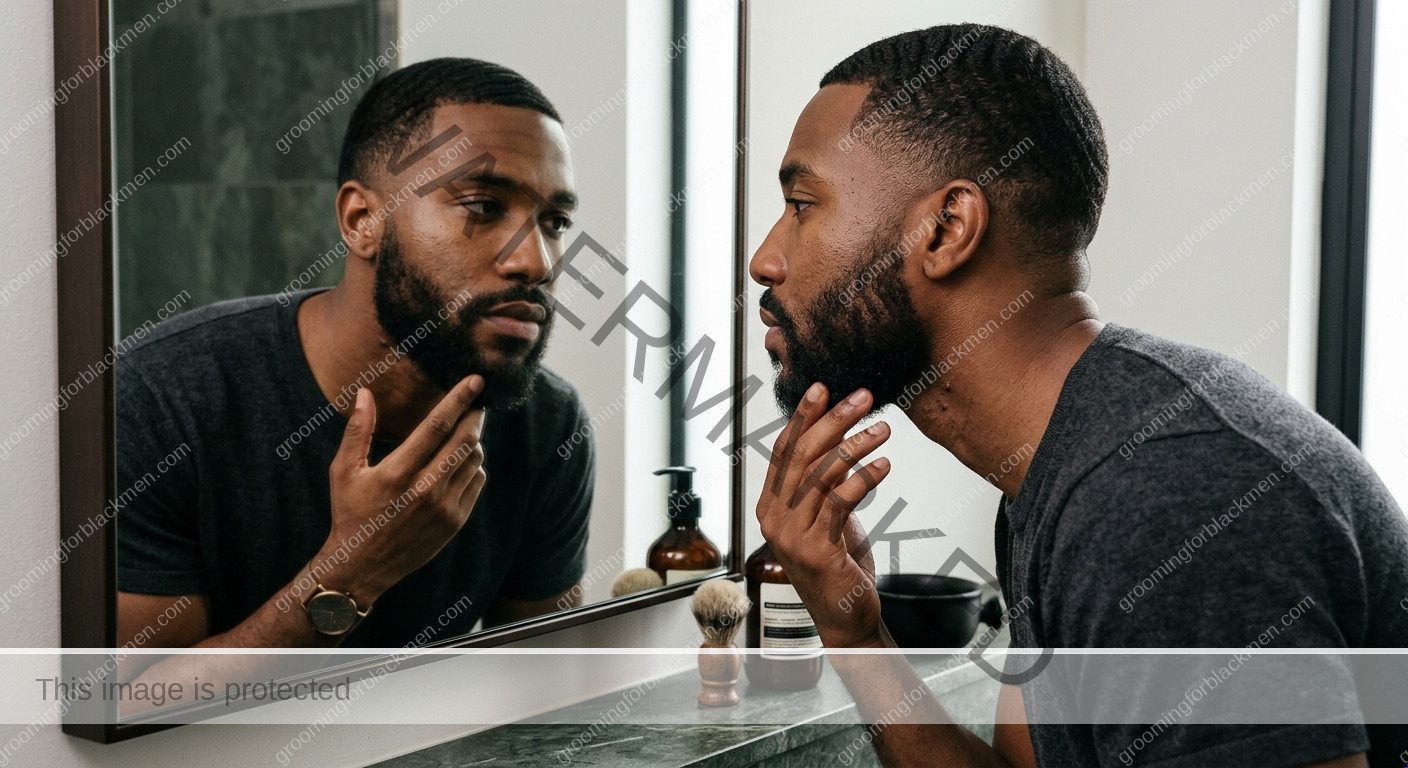
It’s tempting to attack a bump as soon as you spot it. But certain habits can make ingrown hairs worse, leading to more pain, longer healing, and stubborn dark marks. Here’s what to watch out for:
- Picking or Digging: Using tweezers, fingernails, or needles to “rescue” a trapped hair can break the skin barrier, introduce bacteria, and worsen scarring.
- Shaving Against the Grain: Shaving in the opposite direction of hair growth cuts hairs sharply and increases the chance they’ll curl back into the skin.
- Dirty or Dull Tools: Old blades and trimmers can harbor bacteria and tug at hair, both of which increase irritation.
- Stretching the Skin: Pulling skin tight while shaving can cause hairs to retract below the surface, making them more likely to become trapped.
- Skipping Pre-Shave Prep: Dry shaving or skipping softening steps makes hair stiffer and harder to cut cleanly.
- Over-Shaving: Multiple passes over the same spot, or shaving daily without recovery time, increases trauma to the skin.
For more on what to avoid, check our pre-shave routine guide for Black men and sensitive skin shaving tips.
The Practical Routine: Calmer Ingrown Hair Response

As an affiliate site, GFBM may earn from qualifying purchases through product links.
When you spot an ingrown hair or a razor bump, your job isn’t to “fix” it instantly. It’s to create the best environment for your skin to calm down and recover—without making it worse. Here’s a disciplined, step-by-step routine for ingrown hair treatment for Black men:
-
Pause Aggressive Shaving
- Give your skin a break. If possible, stop shaving the affected area for a few days to allow inflammation to settle.
- If you must maintain a look, switch to a guarded electric trimmer or clipper to avoid cutting hair below the skin’s surface.
-
Cleanse Gently, Twice Daily
- Use a gentle facial cleanser—not harsh soap—morning and night to remove sweat, oil, and bacteria.
- Pat dry with a clean towel. Avoid rubbing or scrubbing the area.
-
Apply a Warm Compress
- Soak a clean washcloth in warm (not hot) water. Hold it on the bump for 5-10 minutes to soften skin and hair.
- This can help hairs naturally work their way out without digging or picking.
-
Use a Gentle Exfoliant
- Once the area is less inflamed, consider a mild chemical exfoliant (like a salicylic acid ingrown hair treatment) to help clear dead skin cells and unclog pores.
- Do not use harsh scrubs or physical exfoliants on active bumps.
-
Moisturize and Protect
- Apply a fragrance-free, non-comedogenic moisturizer to support skin repair and reduce dryness.
- If you’re outdoors, consider a sunscreen to help prevent dark marks from getting worse.
-
Don’t Pick, Dig, or Pluck
- Let the hair work itself out as inflammation resolves. Picking can lead to infection and longer-lasting dark marks.
-
Review Your Shaving System
- After recovery, revisit your shaving method. Consider mapping your grain (learn how to map your grain) and using a single-blade safety razor or electric trimmer.
- For a detailed breakdown, see safety razor vs cartridge for Black men.
For a full, stepwise approach to post-shave recovery, see our post-shave care guide.
Product and Tool Examples for Ingrown Hair-Prone Skin
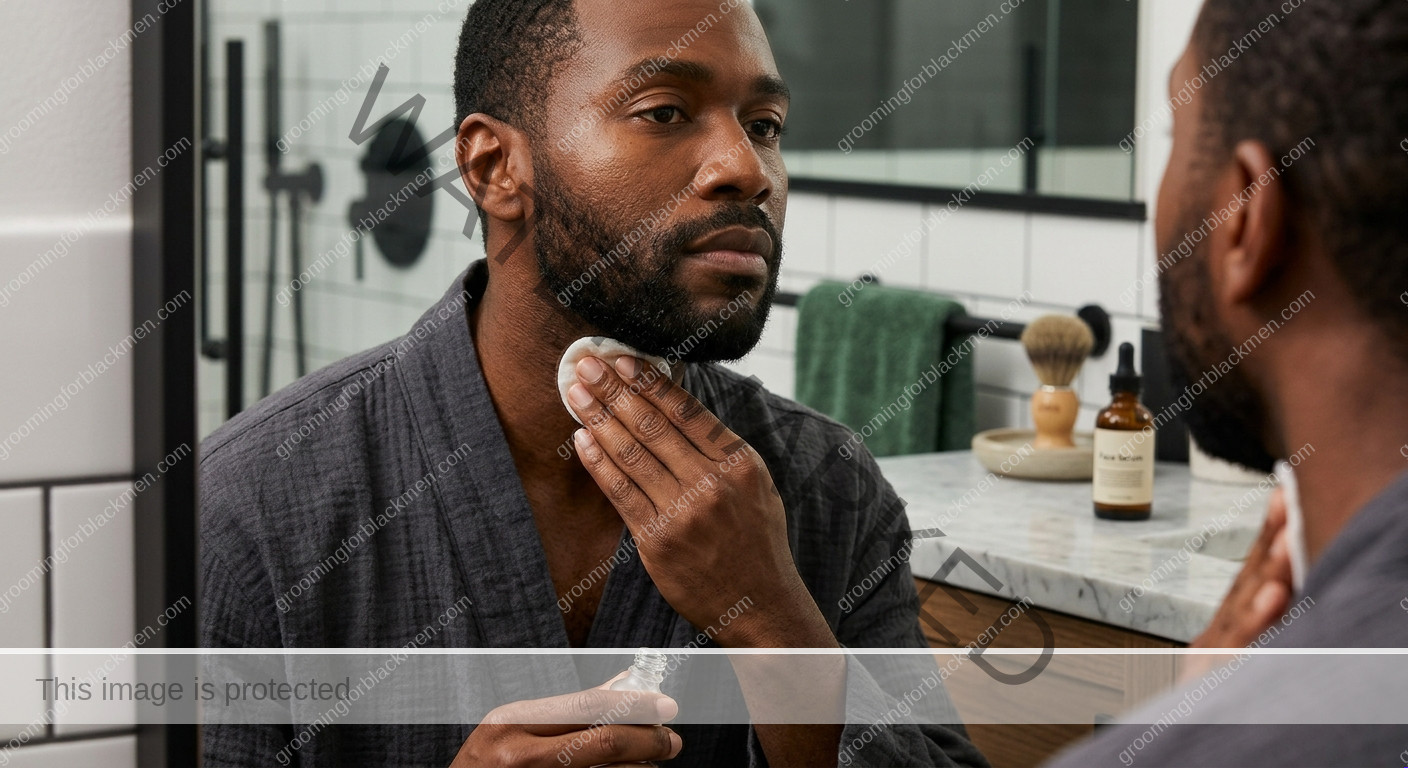

Disclosure: The following section includes example product links that may earn a commission for GFBM if you make a purchase. These are not guarantees or medical recommendations—always choose products that match your skin’s needs.
-
Gentle Facial Cleansers:
- A gentle facial cleanser (fragrance-free, non-stripping) supports daily skin hygiene without irritation.
-
Chemical Exfoliants:
- Look for a salicylic acid ingrown hair treatment (leave-on liquid or pad) to help clear pores and reduce buildup. Use only after inflammation has settled.
-
Electric Trimmers:
- A guarded electric trimmer can help maintain a close look without cutting hairs below the skin’s surface.
-
Single-Blade Razors:
- Consider a safety razor with a single sharp blade for less irritation. See our best razors and trimmers for Black men guide for examples.
-
Non-Comedogenic Moisturizers:
- Choose fragrance-free, lightweight moisturizers to support skin barrier recovery.
Shaving Tool Comparison Table
| Tool | Ingrown Hair Risk | Best For | Notes |
|---|---|---|---|
| Multi-Blade Cartridge Razor | High | Fast, close shaves | Can cut hair below skin; often triggers bumps for coarse/curly hair |
| Single-Blade Safety Razor | Medium | Disciplined, mapped shaving | Requires proper technique; less likely to cause ingrowns if used with the grain |
| Guarded Electric Trimmer | Low | Maintenance, bump-prone skin | Leaves hair above skin; best for reducing ingrown risk |
For more on choosing the right tool, see our razor and trimmer guide and our safety razor vs cartridge comparison.
Troubleshooting and When to Get Professional Help

Most ingrown hairs and razor bumps will calm down with disciplined care and less aggressive shaving. But there are times when it’s smart to get help:
- Severe Pain or Swelling: If bumps are very painful, swollen, or filled with pus, you may be dealing with an infection.
- Spreading or Persistent Bumps: If bumps spread, don’t heal, or keep coming back even after changing your routine, consult a dermatologist.
- Scarring or Dark Marks: If you notice keloids, thick scars, or stubborn dark marks, a professional can help with advanced treatments.
- Uncertainty: If you’re not sure whether a bump is an ingrown hair or something else, get it checked.
There’s no shame in getting professional advice. A dermatologist can help you build a plan that works for your skin and hair. For more on handling dark marks, see our razor bumps and dark marks guide.
Frequently Asked Questions
How can I tell if a bump is an ingrown hair or something else?
Ingrown hairs usually appear as small, round, sometimes tender bumps—often with a visible hair trapped under the skin or a tiny whitehead. They’re most common in areas you shave, like the beard, neck, or jawline. If a bump is unusually large, painful, filled with pus, or doesn’t improve with basic care, it might be an infection or another skin condition. If you’re unsure or if the bump spreads, consult a dermatologist. For more on spotting and handling razor bumps, visit our razor bumps guide.
Should I stop shaving if I keep getting ingrown hairs?
Pausing shaving in the affected area can help your skin recover and reduce inflammation. Many Black men find that switching to a guarded electric trimmer or leaving a short stubble reduces the risk of new ingrowns. If you need to shave for work or personal style, focus on mapping your grain, using a single-blade razor, and prepping the skin well. For a full breakdown, see our trimmer routine guide and razor bump prevention guide.
Can I use tweezers or a needle to get the hair out?
It’s best to avoid digging, picking, or plucking ingrown hairs. This can break the skin, introduce bacteria, and increase your risk of infection and dark marks. Instead, use a warm compress and gentle cleansing to help the hair surface naturally. If the hair is visible and not deeply embedded, sometimes a clean, sterilized tweezer can gently lift it out—but never force it. Persistent or painful ingrowns should be seen by a professional. For safer alternatives, read our post-shave care guide.
What ingredients are helpful for ingrown hair-prone skin?
Look for products with chemical exfoliants like salicylic acid or glycolic acid to help clear dead skin and unclog pores. Hydrating ingredients such as glycerin, hyaluronic acid, and non-comedogenic moisturizers support your skin barrier. Avoid harsh scrubs, strong fragrances, and alcohol-heavy products, which can make irritation worse. For more on product selection, see our guides to razors and trimmers and sensitive skin shaving.
How do I prevent dark marks after ingrown hairs?
Minimizing trauma is key: avoid picking or digging at bumps, use gentle cleansers, and moisturize daily. Sun protection can help prevent post-inflammatory hyperpigmentation from getting darker. If marks persist, products with ingredients like niacinamide or azelaic acid may help even skin tone over time. For stubborn cases, consult a dermatologist. For more, see our razor bumps and dark marks guide.
Is it better to use a trimmer, safety razor, or cartridge razor?
For Black men prone to ingrown hairs, a guarded electric trimmer is often the safest bet, as it leaves hair above the skin. A single-blade safety razor can work well if you shave with the grain and use proper prep. Multi-blade cartridge razors tend to cut hairs below the skin, increasing the risk of bumps. Your choice depends on your skin, hair, and style needs. For a detailed comparison, check our safety razor vs cartridge guide and razor and trimmer recommendations.
When should I see a dermatologist for ingrown hairs?
If your bumps are painful, spreading, not healing, or causing scarring and dark marks, it’s time to see a professional. Dermatologists can offer advanced treatments and help you build a routine tailored to your skin and hair. There’s no shame in seeking help—sometimes genetics and skin type make this a long-term issue. For more on when to get help, see our neck bumps guide and sensitive skin shaving guide.
What to Do Next
Ingrown hairs and razor bumps are common, but they don’t have to control your grooming experience. The disciplined approach—pausing aggressive shaving, cleansing gently, using the right tools, and resisting the urge to pick—can make a real difference. Remember, your skin is unique. Stay patient, observe what works for you, and don’t hesitate to get professional input if needed.
For a deeper understanding of your shaving system, explore these next steps:
- Learn how to map your grain for a smoother, safer shave.
- Build a pre-shave routine that sets you up for success.
- Discover the trimmer routine for bump-prone skin.
- Compare safety razors and cartridge razors for Black men.
- Address dark marks and post-shave hyperpigmentation with care.
Grooming is about discipline, not perfection. Respect your skin, invest in your routine, and move forward with confidence.