No-Shave Alternatives for Black Men: Practical Grooming Guide
For many Black men, shaving isn’t just about style—it’s about managing razor bumps, ingrown hairs, and skin irritation that can come with every pass of the blade. If you’re tired of the cycle of irritation and dark marks, know this: you don’t have to chase a perfectly smooth shave to look sharp or feel confident. There are practical, low-irritation grooming options that respect your skin, your hair, and your look.
This guide breaks down no-shave alternatives for Black men—real routines and tools that help you avoid the worst of razor bumps and ingrowns, especially if you have coarse, curly facial hair and rich brown skin. You’ll get clear, direct advice: what causes the problem, what to do instead, and how to keep your grooming routine both premium and practical. No hype, no shame, no miracle promises—just grounded, culturally aware guidance.
Whether you’re looking to skip shaving altogether, trim your beard for a clean look, or simply want to avoid the pain and scarring of repeated bumps, this article will walk you through the safest, most effective no-shave alternatives for Black men. If you’re new to this approach or frustrated by years of irritation, you’re in the right place. For a deep dive on the roots of razor bumps and more shaving system options, see our Razor Bumps, Ingrown Hairs & Shaving Systems pillar.
Routine Scenarios and Decision Checks
Before Work: Setting a Confident Tone Without the Razor
For many Black men, the morning routine is about more than just looking presentable—it’s about feeling prepared for the day ahead. If you’re skipping the shave, you can still set a polished tone. Start with a gentle cleanse to remove overnight oil and sweat. A soft-bristled brush or your fingertips will do; avoid scrubbing, which can aggravate sensitive skin. Follow with a lightweight moisturizer to keep your skin hydrated and comfortable under the day’s stress.
If your facial hair needs tidying, use a precision trimmer or beard scissors to even out stray hairs. Focus on the neckline and cheeks for a clean outline. This approach maintains a sharp appearance without the risks of a close shave. A beard or stubble balm can help control frizz and add subtle shine, signaling intentional grooming. If you’re pressed for time, a quick brush and a dab of moisturizer can make all the difference—no razor required.
Before a Barber Visit: Prepping for Professional Care
When a barber appointment is on the horizon, resist the urge to “clean up” with a razor or aggressive trimming. Barbers appreciate working with your natural growth pattern, as it allows them to shape your beard or hairline with precision. Instead, focus on keeping your skin healthy and calm. Avoid introducing new products or exfoliating too close to your appointment, as this can cause irritation that complicates the barber’s job.
If you experience ingrown hairs or bumps, let your barber know. A skilled professional can adjust their technique to minimize further irritation. Arrive with clean, product-free skin and beard. This not only respects your barber’s tools but also gives them a clear view of your hair’s natural texture and direction, leading to a better result.
After Irritation: Responding With Patience and Care
If you notice redness, bumps, or discomfort after shaving or trimming, resist the urge to “fix” things immediately. Over-treating can worsen irritation. Instead, pause your shaving routine for a few days. Gently cleanse the area with lukewarm water and a mild, fragrance-free cleanser. Pat dry—never rub.
Apply a soothing, non-comedogenic moisturizer to help your skin recover. If you use aftershave, switch to an alcohol-free formula to avoid stinging. Monitor your skin’s response: if the irritation subsides, resume gentle grooming when ready. If it persists or worsens, it may be time to consult a dermatologist for tailored advice. Remember, healing is part of grooming discipline.
When Your Schedule or Budget Changes: Adapting Without Sacrifice
Life’s demands can make regular barber visits or elaborate routines impractical. When time or finances are tight, simplify your approach. Prioritize the basics: cleanse, moisturize, and keep your beard or stubble neat with a reliable trimmer. You don’t need a full lineup of products or weekly shape-ups to look intentional.
If you must stretch the interval between barber visits, focus on maintaining a tidy neckline and cheek line at home. Use a handheld mirror for precision, and avoid making drastic changes to your beard shape—leave that to the professionals when you return. With discipline, a minimalist routine can still deliver a premium, well-groomed appearance.
Deciding Whether to Shave, Trim, or Pause
Choosing between shaving, trimming, or taking a break depends on your skin’s feedback, your personal style, and your schedule. If you’re prone to razor bumps or irritation, trimming is often the safest option. Use a guard that leaves a bit of length, allowing hair to grow out without curling back into the skin.
If your skin feels healthy and you prefer a closer look, experiment with shaving less frequently or using a single-blade razor with minimal pressure. On days when your skin feels sensitive or inflamed, pause all shaving and focus on recovery. There’s no shame in letting your beard grow while your skin heals—intentional pauses are a sign of disciplined grooming, not neglect.
Pressure and Technique: Less Is More
Many Black men experience irritation from shaving too closely or applying too much pressure. If you choose to shave, use a light touch and let the blade do the work. Shave in the direction of hair growth, not against it. This reduces the risk of hairs curling back into the skin and forming bumps.
If you’re using clippers or a trimmer, keep the blades clean and well-oiled to avoid tugging and uneven cuts. Replace dull blades promptly. For those new to trimming, start with a longer guard and gradually work down to your preferred length. This approach minimizes mistakes and gives you more control over your look.
Simplifying Your Product Lineup
It’s easy to get overwhelmed by the array of grooming products on the market. When practicing no-shave alternatives, focus on quality over quantity. A gentle cleanser, a nourishing moisturizer, and a reliable trimmer or clipper are the foundation. If you use beard oils or balms, choose formulas free from heavy fragrances and harsh chemicals.
Introduce new products one at a time, and give your skin a few days to adjust before adding anything else. If you notice irritation or breakouts, scale back to basics until your skin calms. Remember, consistency is more important than complexity. A disciplined, simple routine often yields the best results.
Reading Skin Feedback Without Panic
Skin is a dynamic organ, and it will tell you what it needs—if you listen without overreacting. If you notice mild redness or a few bumps, don’t panic. These are common, especially when trying new routines or adjusting to less frequent shaving. Monitor changes over several days rather than reacting to every minor shift.
If discomfort escalates or you see signs of infection (such as pus or spreading redness), pause all grooming and consider seeking professional advice. Otherwise, adjust your routine gently: use less pressure, skip a day, or switch to a milder product. Trust your skin’s signals, but don’t let them dictate your confidence or self-worth.
Intentional Grooming: Beyond the Close Shave
A premium grooming routine isn’t defined by how close you shave, but by how well you care for your skin and hair. For Black men, this often means embracing your natural texture and growth patterns. Whether you wear a full beard, goatee, or stubble, intentional grooming is about maintenance, not perfection.
Set a regular schedule for cleansing, moisturizing, and trimming. This rhythm keeps your appearance sharp without the risks of daily shaving. Use a beard brush or comb to train your hair and distribute natural oils. If you prefer a clean-shaven look, space out your shaves and use the gentlest technique possible.
Above all, remember that grooming is a form of self-respect. It’s about presenting your best self, not chasing an unrealistic standard of smoothness. The discipline to pause, adapt, and respond to your skin’s needs is the mark of a premium approach.
Knowing When to Seek Professional Help
Sometimes, despite your best efforts, skin issues persist. If you experience frequent or severe razor bumps, persistent irritation, or scarring, don’t hesitate to consult a dermatologist or a barber experienced with Black men’s grooming needs. Professional guidance can help you refine your technique, select the right tools, or address underlying skin conditions.
Seeking help is a sign of discipline and self-care, not defeat. It ensures your grooming routine remains sustainable and effective, even as your skin’s needs evolve.
Staying Flexible: Grooming for Every Season
Your skin and hair may respond differently to changes in weather, stress, or lifestyle. In humid months, you may need lighter products and more frequent cleansing. In colder weather, richer moisturizers and less aggressive trimming can prevent dryness and breakage.
Stay attuned to these shifts, and don’t be afraid to adjust your routine. Flexibility is a hallmark of intentional grooming. By responding to real-world scenarios with discipline and care, you can maintain a premium look—no matter what life throws your way.
Why This Matters for Black Men and Bump-Prone Shaving

Razor bumps and ingrown hairs are not just a minor inconvenience—they’re a direct result of how coarse, curly hair interacts with the skin after shaving. When tightly curled hair is cut short, it’s more likely to curl back into the skin, causing inflammation, bumps, and sometimes dark marks. This is not a reflection of your hygiene, genetics, or grooming skill. It’s a predictable reaction rooted in biology and skin structure, especially for Black men.
For many, the pressure to maintain a close shave—whether for work, style, or personal preference—can set off a cycle of irritation, hyperpigmentation, and even scarring. The reality is, the closer the shave, the higher the risk of bumps, especially if you’re using multi-blade razors, dull blades, or harsh techniques. No-shave alternatives offer a way out of this cycle, letting you look sharp without sacrificing your skin’s health.
This guide is built on the understanding that grooming for Black men should be about choice, comfort, and confidence—not about fitting someone else’s standard of “clean.” If you’re ready to break free from the bump cycle, you’re not alone—and you have options.
What Usually Goes Wrong

Most shaving problems for Black men start with the wrong tools, techniques, or expectations. Here’s what typically leads to razor bumps, ingrown hairs, and irritation:
- Shaving too close: Multi-blade razors and aggressive shaving can cut hairs below the skin’s surface, increasing the chance they’ll curl inward.
- Shaving against the grain: This gives a closer shave, but it also tugs and distorts hair follicles, making ingrowns more likely.
- Dry shaving or poor lubrication: Without proper moisture and slip, blades drag and irritate the skin.
- Dull or dirty blades: Old blades tug at hair, increasing trauma and infection risk.
- Stretching the skin: Pulling skin tight while shaving can cause hairs to retract and become trapped.
- Over-shaving: Multiple passes over the same area break down the skin barrier and increase inflammation.
- Picking or digging at bumps: Trying to “fix” ingrowns with tweezers or fingers often makes things worse, leading to scarring or infection.
If you’re dealing with persistent bumps, dark marks, or irritation, you’re not alone. For more on what causes these issues and how to prevent them, see our razor bump prevention guide and razor bumps and dark marks guide.
What to Do Instead: The Logic of No-Shave Alternatives

Switching to no-shave alternatives is about working with your hair and skin, not against them. Here’s what that looks like in practice:
- Guarded Trimming: Use a beard trimmer or clippers with a guard to keep facial hair slightly above the skin’s surface. This prevents hair from curling back into the skin and minimizes irritation. Start with a longer guard (2-3 mm) and adjust down only if your skin stays clear.
- Beard Shaping: Instead of shaving everything, shape and line up your beard or goatee with trimmers. This allows for a clean, intentional look without the risks of a close shave. Outliners and detail trimmers can create crisp lines without cutting below the skin.
- Stubble Maintenance: Keeping a short, even layer of stubble can look sharp and is much less likely to cause bumps than a baby-smooth shave. Use a stubble trimmer set to your preferred length and maintain every few days.
- Less Frequent Grooming: If your job or style allows, give your skin more time between trims or lineups. Less frequent grooming reduces cumulative irritation. Let your skin recover—if you notice redness or sensitivity, wait an extra day before trimming again.
- Moisturize and Soften: Use a beard softening moisturizer daily to keep facial hair flexible and skin hydrated, reducing itch and dryness. This is especially important if your stubble feels rough or your skin is prone to flaking.
- Clean Tools Only: Always use clean, sharp trimmer blades. Dirty or dull tools increase the risk of infection and irritation. Disinfect blades after each use and replace them regularly.
For a step-by-step breakdown of trimmer routines and lineups that minimize irritation, see our trimmer routine guide and lineup irritation guide.
Step-by-Step No-Shave Routine
- Wash and Soften: Start with a gentle cleanser to remove oil and dirt. Follow with a warm, damp towel to soften hair and open pores.
- Moisturize: Apply a beard softening moisturizer or lightweight oil to hydrate hair and skin. Let it absorb for a minute.
- Trim with Guard: Use a trimmer with a guard set to your preferred length. Move with the grain of your hair, not against it. Don’t press hard—let the guard do the work.
- Shape Edges: Use a detail trimmer or outliner to clean up your neckline, cheeks, and mustache line. Focus on shaping, not shaving close.
- Final Moisturize: Rinse away loose hairs and apply moisturizer again to soothe skin and prevent dryness.
Consistency is key. Stick to this routine for a few weeks and adjust based on how your skin responds.
Product and Tool Criteria for No-Shave Alternatives
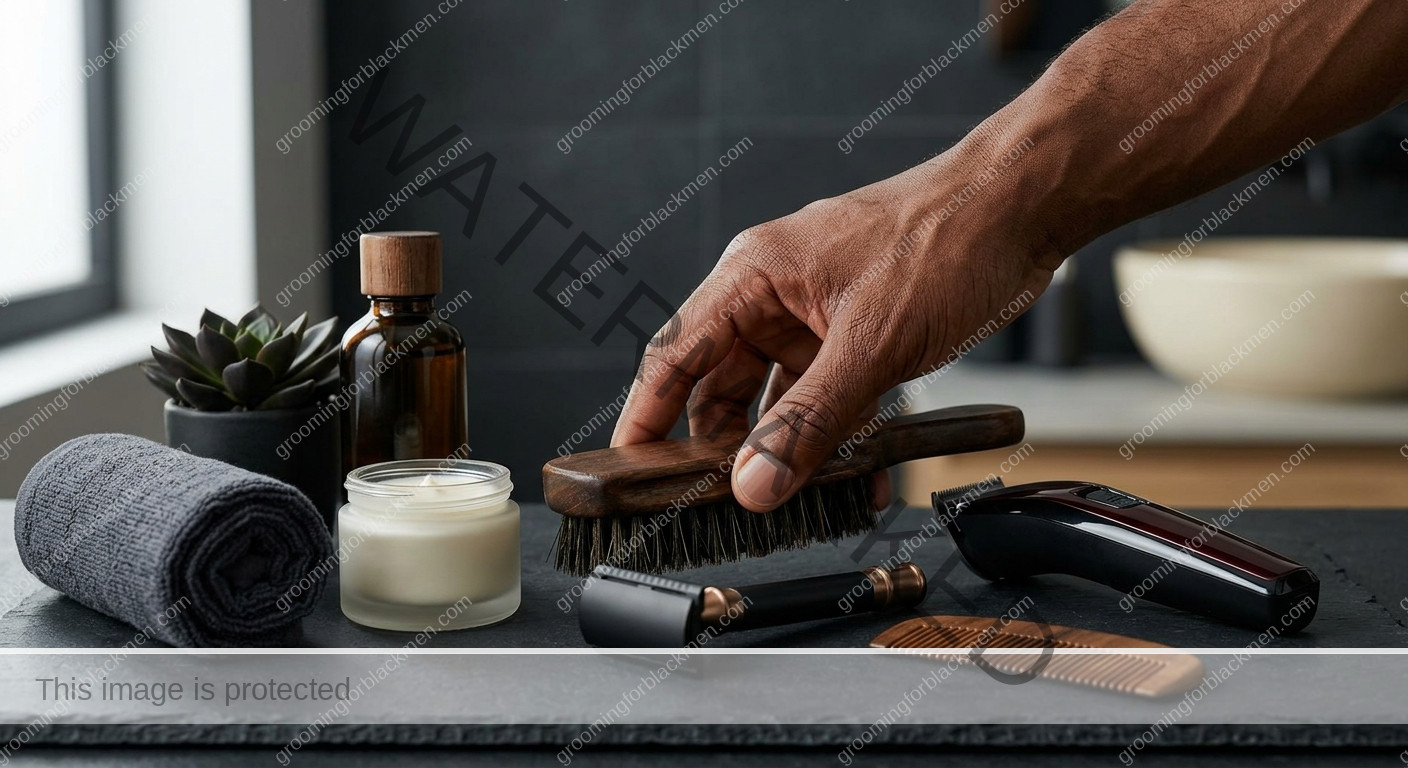
GFBM may earn a small commission from qualifying purchases, but product examples are included to clarify criteria, not to promise results.
Choosing the right tools and products is key for safe, effective no-shave alternatives for Black men. Here’s what to look for:
- Beard Trimmers: Look for cordless, adjustable trimmers with multiple guard lengths. This allows you to control your stubble length and avoid cutting too close. See options: cordless beard trimmer.
- Clipper Guards Set: A set of guards lets you customize your beard or stubble length. The right guard will keep hair just above the skin, reducing the risk of ingrowns. See options: clipper guards set.
- Beard Softening Moisturizer: Daily use keeps hair soft and skin hydrated, making stubble more comfortable and less likely to irritate. Look for non-comedogenic, fragrance-free formulas if you have sensitive skin. See options: beard softening moisturizer.
Other useful features: waterproof trimmers for easy cleaning, hypoallergenic blades for sensitive skin, and a reliable battery for cordless options. Avoid bargain trimmers with rough blades or poor guard fit—they can snag hair and cause micro-cuts.
How to Choose the Right Trimmer and Guard
The best trimmer is one you’ll use consistently and safely. Consider:
- Guard Range: Does the trimmer offer guards from 1 mm up to 6 mm or more? This gives you flexibility to find your lowest-irritation length.
- Blade Quality: Stainless steel or ceramic blades tend to be smoother and less irritating. Hypoallergenic coatings can help if you’re sensitive.
- Ease of Cleaning: Detachable heads and waterproof designs make it easier to keep your trimmer clean—crucial for avoiding bumps and infection.
- Battery Life: Cordless trimmers with at least 45 minutes of runtime are practical for travel and home use.
Test your trimmer on a small area first. If you notice irritation or bumps, try a longer guard or a different blade type. For more on safe tool selection, see our trimmer routine guide.
Beard and Skin Care: The Foundation of No-Shave Success
Healthy skin and hair are your best defense against irritation. Build your routine around:
- Gentle Cleansing: Use a non-stripping face wash before trimming to remove sweat and oil.
- Daily Moisturizer: Hydrate both skin and beard. Ingredients like shea butter, jojoba oil, and glycerin are excellent for softening coarse hair.
- Sunscreen: Protects against dark marks and hyperpigmentation. Choose a broad-spectrum SPF 30+ that won’t leave a white cast.
Consistency with these basics will keep your skin resilient, even if you trim frequently. For more on daily care, see our Sensitive Skin Shaving Guide.
Decision Criteria: How to Choose the Right No-Shave Alternative for You

Not every no-shave method is right for every man. Consider these factors when building your routine:
- Workplace or Dress Code: If you need a clean look, opt for stubble maintenance with a short guard and sharp lineups. If you have more freedom, experiment with longer beards or creative shaping.
- Skin Sensitivity: If your skin reacts to almost everything, prioritize hypoallergenic products and longer guard settings. Avoid fragranced products and harsh cleansers.
- Personal Style: Some men prefer a sculpted goatee, others a full beard, and others a tight stubble. Your grooming should reflect your identity, not just what’s “safe.”
- Time Commitment: No-shave routines are generally faster than traditional shaving, but shaping and moisturizing still take a few minutes. Plan your routine around your schedule.
- Budget: Invest in quality trimmers and moisturizers. Cheap tools can cost you more in irritation and frustration over time.
Examples: Matching Routine to Lifestyle
- Corporate Professional: Maintain 1-2 mm stubble with a sharp cheek and neckline. Moisturize daily and trim every 3-4 days for a consistently clean look.
- Creative/Freelancer: Experiment with beard length and shape. Try a 3-5 mm guard, line up edges weekly, and focus on beard health with oils and balms.
- Active/Athletic: Keep a low-maintenance stubble or short beard. Use waterproof trimmers and lightweight moisturizers that won’t clog pores after workouts.
For more on mapping your hair grain and troubleshooting neck bumps, see our Map Your Grain Guide and Neck Bumps Guide.
Troubleshooting and When to Get Help
No-shave alternatives dramatically lower the risk of razor bumps and ingrowns, but no method is perfect. Here’s how to handle common issues:
- Persistent Bumps or Ingrowns: If bumps still appear, check your guard length—hair may be cut too short. Try a longer guard or leave more stubble. Also, make sure you’re not pressing the trimmer too hard or going over the same area repeatedly.
- Itch or Flaking: This usually means your skin or beard needs more moisture. Use a beard softening moisturizer daily and avoid harsh soaps. If itch persists, try a gentle beard oil with minimal ingredients.
- Patchy Growth: Don’t over-trim to “even out” patches; let hair grow in naturally and shape around it. Over-trimming can cause irritation and make patches more noticeable. Patience and regular moisturizing help fill in weak spots.
- Redness or Burning: Make sure you’re not pressing the trimmer too hard or using a dirty blade. Clean tools after each use and replace blades as needed. If irritation persists, consider switching to a hypoallergenic blade or a different trimmer.
Some issues need professional help. If you notice:
- Painful, swollen, or pus-filled bumps
- Spreading redness or skin that feels hot
- Scarring or dark marks that don’t fade
- Bumps that persist despite switching to no-shave routines
See a dermatologist or qualified clinician. They can recommend medical treatments or assess for underlying skin conditions. For more on treatment options, see our ingrown hair treatment guide.
Frequently Asked Questions
Are no-shave alternatives really better for preventing razor bumps?
For most Black men with coarse, curly facial hair, yes. Guarded trimming and stubble routines keep hair above the skin, making it much less likely to curl back and cause bumps. No method is perfect, but no-shave alternatives are the lowest-risk option for most.
How short can I trim my beard or stubble without risking ingrowns?
Everyone’s hair is different, but a good starting point is a guard length that leaves at least 1-2 mm of hair above the skin. If you notice bumps, try a longer guard. Avoid “zero gap” or “bald” trims if you’re bump-prone.
Can I still get a sharp lineup without shaving?
Yes. Use a detail trimmer or outliner to shape your beard, mustache, or goatee. You can get crisp lines without cutting hair below the skin. For tips, see our lineup irritation guide.
What if my job requires a clean shave?
If a close shave is mandatory, consider electric shavers designed for sensitive skin, and follow all prep and aftercare steps. If you can, discuss your skin needs with your employer or HR. For more, see our electric shavers guide.
How often should I trim or shape my beard?
Most men do well with trimming every 3-7 days, but it depends on your growth and style. Less frequent trimming gives your skin more time to recover and lowers irritation risk.
Do I need special products for my beard and skin?
Moisturizing is key. Use a beard softening moisturizer and avoid harsh, drying soaps. If you have sensitive skin, choose fragrance-free, non-comedogenic products. See options above for practical examples.
What if I still get dark marks or hyperpigmentation?
Dark marks (post-inflammatory hyperpigmentation) are common after bumps or irritation. Consistent no-shave routines help prevent new marks, but fading old ones takes time. Use sunscreen daily and see a dermatologist for persistent or severe discoloration. For more, check our razor bumps and dark marks guide.
What to Do Next
No-shave alternatives put you in control—of your look, your comfort, and your skin health. If you’re ready to break the cycle of razor bumps and irritation, start with a guarded trimmer, pick a comfortable stubble length, and focus on daily moisturizing. Give your skin time to adjust and don’t chase perfection—chase comfort and confidence.
For more on mapping your hair grain, troubleshooting neck bumps, and building a full routine, see these practical guides:
Grooming for Black men is about options, not limits. Choose what works for you, and know you’re not alone in the journey.