Commercial Shaving Tools for Black Men: Practical Grooming Guide
Shaving for Black men with coarse, curly facial hair is not a one-size-fits-all process. The right commercial shaving tools can make a real difference—especially if you’re dealing with razor bumps, ingrown hairs, dark marks, or shaving irritation. This guide is built for Black men who want real, practical answers about grooming, not hype or empty promises. We’ll break down what actually works, what to avoid, and how to build a shaving system that respects your skin and hair type.
Too many men are told to “just shave better” or “use what everyone else uses.” That’s not enough. If you’ve ever left the bathroom with a burning neck, bumpy jawline, or stubborn dark spots, you know the stakes are higher. The reality is, commercial shaving tools are designed with a range of hair types in mind—but not always with coarse, curly, or tightly coiled hair as the priority. That’s why it’s critical to understand what works for you, not just what’s popular or advertised.
This guide is direct, grounded, and practical. You’ll learn why certain tools matter, what to look for, and how to avoid common pitfalls. We’ll also cover how to troubleshoot issues, when to see a professional, and how to keep your grooming routine sharp and safe. Whether you want a crisp lineup, a close shave, or a low-maintenance trim, you’ll find clear, culturally aware advice here.
For deeper background on why razor bumps and shaving irritation are so common for Black men, start with our pillar guide to razor bumps, ingrown hairs, and shaving systems.
Routine Scenarios and Decision Checks
Before Work: Setting Up for a Confident Day
Mornings can be a rush, but a disciplined grooming routine sets the tone for the day. If you’re shaving before work, assess your skin’s current state. Is it calm, or showing signs of irritation from a previous shave? If your skin feels sensitive, opt for a gentle trim with clippers or an electric shaver set to a higher guard, rather than a close shave. This approach minimizes the risk of razor bumps and ingrown hairs—common concerns for Black men with curly or coarse hair.
If your skin is clear and you want a closer look, use a sharp, clean razor and a lubricating shaving gel. Take your time, using short, light strokes in the direction of hair growth. Don’t chase perfection; focus on an even, comfortable result. If you’re pressed for time, prioritize neatness along the hairline, cheeks, and neck, rather than a full-face close shave. Remember, consistency and skin health matter more than achieving a barber-level finish every morning.
Before a Barber Visit: Preparing for Professional Care
Heading to the barber? Resist the urge to shave or trim right before your appointment. Barbers are trained to work with your natural hair growth and will appreciate a clean canvas. If you must tidy up, keep it minimal—just enough to look presentable if you have meetings or errands. Over-shaving before a cut can lead to irritation or make it harder for your barber to shape your beard or hairline accurately.
If you’ve experienced irritation or bumps from previous barber visits, communicate openly with your barber about your skin’s sensitivity and the tools you use at home. A good barber will adjust their technique, perhaps using clippers instead of a razor, or recommending specific aftercare.
After Irritation: Resetting Your Approach
If you notice redness, bumps, or tenderness after shaving, pause and reset your routine. Switch to a less aggressive grooming tool—such as a guarded trimmer or an electric shaver designed for sensitive skin—until your skin calms down. Avoid shaving the irritated area for a few days and focus on gentle cleansing and moisturizing.
During this period, simplify your grooming products. Skip harsh exfoliants or alcohol-based aftershaves. Instead, use a fragrance-free moisturizer or a soothing balm. If you’re using commercial shaving tools, ensure they’re clean and in good condition; dull blades and clogged trimmers can exacerbate irritation. If irritation persists or worsens, consider seeking professional advice rather than experimenting with new products or techniques.
When Schedules or Budgets Change: Adapting Without Sacrificing Skin Health
Life gets busy, and sometimes grooming routines need to flex. If you’re short on time or need to stretch your budget, prioritize maintenance over perfection. Invest in a reliable electric shaver or trimmer that allows for quick touch-ups between full grooming sessions. These tools can help you maintain a polished look without the time commitment or cost of daily wet shaves or frequent barber visits.
If you need to reduce spending on grooming products, focus on the essentials: a gentle cleanser, a quality moisturizer, and a dependable shaving tool. Skip unnecessary add-ons or luxury creams if they don’t make a tangible difference for your skin. Consistency with a few core products is more effective than an overflowing shelf.
Deciding Whether to Shave, Trim, Pause, or Change Tools
Every grooming session is an opportunity to check in with your skin and hair. Before picking up your shaving tool, ask yourself: What does my skin need today? If you notice any irritation, ingrown hairs, or dryness, consider trimming instead of shaving. Trimmers and electric shavers with adjustable guards let you maintain a neat appearance while giving your skin a break.
If you’re consistently experiencing discomfort, it may be time to switch tools. For example, if a multi-blade razor is causing bumps, try a single-blade safety razor or a high-quality electric shaver designed for coarse hair. Don’t hesitate to pause shaving altogether for a few days if your skin needs recovery time. Grooming is a long game; short breaks can prevent long-term issues.
Reading Skin Feedback Without Panic
It’s natural to be concerned about changes in your skin, but not every bump or patch of redness requires drastic action. Learn to distinguish between normal post-shave reactions—like mild redness that fades within an hour—and signs of irritation that persist or worsen. If you see small bumps, don’t immediately reach for harsh treatments or over-shave the area. Instead, monitor how your skin responds over the next 24-48 hours.
Commercial shaving tools can be adjusted to suit your skin’s feedback. Lower the pressure, use fewer passes, or switch to a less aggressive setting. If you notice improvement, stick with the gentler approach. If not, simplify your routine and give your skin time to recover. Calm, consistent care is more effective than reacting to every minor change.
Keeping Grooming Intentional: Avoiding the “Chase”
The pursuit of a flawlessly close shave can lead to over-shaving, increased irritation, and frustration. Instead, set a clear intention for each grooming session. Are you aiming for a clean look, a tidy beard, or just a refreshed appearance? Let that goal guide your choice of tools and techniques.
Commercial shaving tools offer a range of options, from ultra-close razors to guarded trimmers. Choose the tool that matches your intention for the day, not the one that promises the closest possible shave. Remember, healthy skin and a well-groomed appearance are the real markers of premium grooming—not how close you can get to the skin.
Practical Decision Checks for Everyday Grooming
1. **Assess Your Skin and Hair:** Is your skin calm, or showing signs of stress? Is your hair growth even, or are there problem areas?
2. **Select the Right Tool:** For sensitive skin, use an electric shaver or guarded trimmer. For a closer shave, a sharp single-blade razor is preferable to multi-blade options.
3. **Check Blade Condition:** Always use clean, sharp blades. Dull or dirty tools increase the risk of irritation.
4. **Adjust Pressure and Technique:** Use light, controlled strokes. Let the tool do the work—don’t press down hard.
5. **Limit Passes:** Avoid going over the same area multiple times. One or two passes are usually sufficient.
6. **Simplify Products:** Stick to a gentle cleanser, a lubricating shave gel or cream, and a fragrance-free moisturizer.
7. **Monitor Skin Response:** After shaving, check for irritation or bumps. If you notice issues, adjust your routine next time.
8. **Pause When Needed:** If your skin is irritated, take a break from shaving and focus on recovery.
9. **Seek Help When Appropriate:** If problems persist, consider consulting a professional rather than self-treating.
Long-Term Discipline: Building a Sustainable Routine
Premium grooming is about discipline and intention, not chasing trends or quick fixes. Build a routine that fits your lifestyle, budget, and skin needs. Invest in quality commercial shaving tools and maintain them well. Stick to a consistent schedule that allows your skin to recover between shaves.
Over time, you’ll develop a sense for what your skin and hair respond to best. Trust that process, and don’t be swayed by pressure to look a certain way every day. The goal is healthy, comfortable skin and a confident appearance—achieved through practical, intentional choices.
Summary: Making Every Shave Count
Every Black man’s grooming journey is unique, but the principles remain the same: listen to your skin, use the right tools, and keep your routine intentional. Commercial shaving tools offer flexibility and precision, but they work best when paired with disciplined, practical decision-making. Whether you’re prepping for work, recovering from irritation, or adapting to a new schedule, let your skin’s needs guide you. With patience and consistency, you’ll achieve a premium look that’s comfortable, sustainable, and uniquely yours.
Why This Matters for Black Men and Bump-Prone Shaving

Razor bumps (pseudofolliculitis barbae) and ingrown hairs are common for Black men because of the natural curl pattern and thickness of facial hair. When coarse, curly hairs are cut too short or at the wrong angle, they can double back into the skin, triggering inflammation and sometimes infection. This isn’t about personal hygiene or effort—it’s about biology and the tools you use.
Many commercial shaving tools are designed for straight or wavy hair, not for the unique needs of Black men with tightly coiled beards. Using the wrong tools can lead to:
- Frequent razor bumps and painful ingrown hairs
- Persistent dark marks (post-inflammatory hyperpigmentation)
- Chronic irritation, especially on the neck and jawline
- Frustration and wasted money on products that don’t deliver
Choosing the right tools isn’t about chasing trends—it’s about protecting your skin, honoring your hair type, and building a routine that actually works. The goal is not just a clean shave, but a healthy, comfortable face you can be proud of.
What Usually Goes Wrong

Most shaving problems for Black men start with a mismatch between hair type and shaving tool. Here’s what typically causes trouble:
- Multi-blade cartridges: These can cut hairs below the skin’s surface, increasing the risk of hairs curling back into the skin and causing bumps.
- Cheap or dull blades: Dull tools tug at hair and irritate the skin, leading to more inflammation and a higher chance of ingrowns.
- Dry shaving or poor lubrication: Skipping pre-shave prep or using harsh foams can leave skin dry, increasing friction and irritation.
- Stretching the skin: Pulling the skin tight while shaving can cause hairs to retract below the surface, setting up bumps and ingrowns.
- Too many passes: Repeatedly shaving the same area increases irritation and the risk of cutting hairs too short.
- Improper cleaning: Dirty tools harbor bacteria, leading to infection and worsening bumps.
For a deep dive on the root causes of razor bumps and how to prevent them, see our razor bump prevention guide.
What to Do Instead

Shaving doesn’t have to be a battle. The right approach and commercial tools can help you avoid the cycle of bumps and irritation. Here’s what works for most Black men with coarse, curly hair:
- Soften hair before shaving: Use a warm, damp towel or shower to soften facial hair and open pores. This reduces resistance and makes hair easier to cut, lowering the risk of tugging and irritation.
- Use a quality lubricating shave gel or cream: Look for products that provide real slip and cushion, not just foam. The right lubricant prevents friction and allows the blade to glide smoothly, protecting both hair and skin.
- Shave with the grain: Always shave in the direction your hair grows. Mapping your grain is essential—see our grain mapping guide for step-by-step instructions. Shaving against the grain increases the chance of cutting hairs below the skin, which can lead to bumps.
- Limit passes: One or two gentle passes are usually enough. Don’t chase a baby-smooth finish if it means more irritation. The more times you go over the same spot, the higher the risk of bumps and dark marks.
- Use clean, sharp tools: Change blades regularly and disinfect electric tools after every use. Dull or dirty blades can tug, drag, and introduce bacteria.
- Don’t dig at trapped hairs: Picking or digging at bumps increases the risk of infection and scarring. Let ingrown hairs work their way out naturally or use a warm compress to encourage release.
- Consider guarded trimming: Many men get better results with a guarded trimmer or clipper set to leave a short stubble, rather than a close shave. This approach minimizes the risk of hairs curling back into the skin.
For more on building a trimmer-based grooming routine, check out our trimmer routine guide.
Step-by-Step Shaving Routine for Black Men
Building a disciplined, effective shaving routine is about respecting your skin and hair’s unique needs. Here’s a practical, step-by-step approach that works for most men with coarse, curly facial hair:
- Prep your skin and hair: Wash your face with a gentle cleanser and use a warm towel or shower to soften hair. This helps prevent tugging and irritation.
- Apply a lubricating shave gel or cream: Choose a product that hydrates and cushions, not just foams up. Let it sit for a minute to further soften hair.
- Map your grain: Know the direction your hair grows. Shave with the grain to reduce risk of bumps. If you’re unsure, let your beard grow for a few days and use our grain mapping guide.
- Use the right tool: For most, a guarded trimmer or single-blade safety razor is best. Avoid multi-blade cartridges unless you know they work for you.
- Shave with gentle, short strokes: Don’t press too hard. Rinse the blade or trimmer frequently to keep it clean.
- Limit passes: One or two passes per area is enough. Don’t chase perfection at the expense of your skin.
- Rinse and soothe: Rinse with cool water to calm the skin. Apply a gentle, alcohol-free moisturizer or aftershave balm.
- Clean your tools: Disinfect blades and trimmer heads after every use. This prevents bacteria buildup and extends tool life.
For men who want to maintain a beard or stubble, use a trimmer with adjustable guards to keep hair at a comfortable length. This approach is especially effective for men prone to bumps and irritation.
Product and Tool Criteria
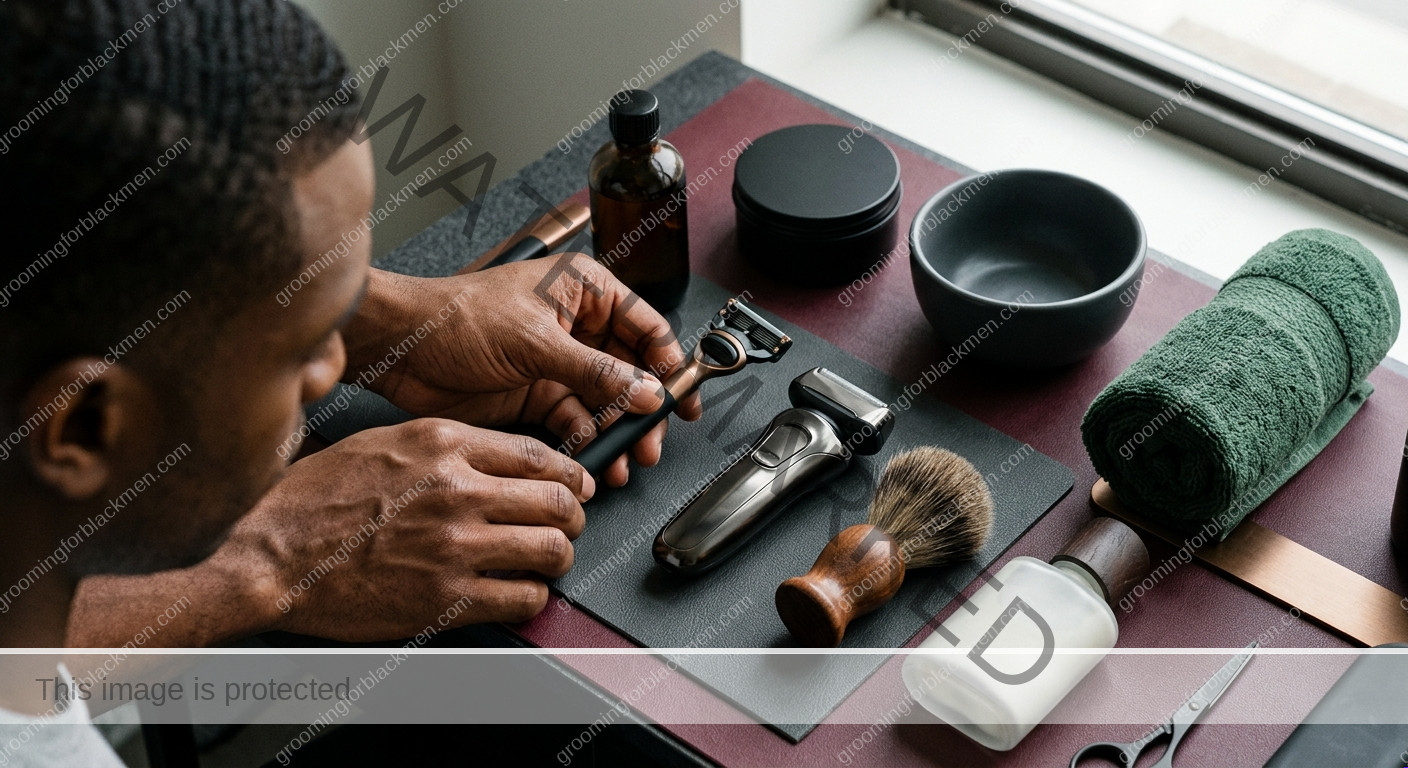
Not every commercial shaving tool is created equal. Here’s what to look for—and what to avoid—when building your grooming kit:
- Single-blade safety razors: These minimize the risk of cutting hairs below the skin. If you want a close shave, a safety razor is usually the best bet. For a detailed comparison, see our safety razor vs cartridge guide.
- Professional clippers and trimmers: Look for adjustable guards and strong motors. These allow you to trim hair to a short, even length without risking bumps from a too-close shave.
- Electric shavers: Some foil shavers are designed for sensitive, curly hair. See our electric shavers guide for tested options and tips.
- Clipper guards: Use guards to control hair length and avoid cutting too close. This is key for men who get bumps from close shaving.
- Disinfectant spray: Always clean and disinfect your tools to prevent infection and irritation.
- Replacement blades and guards: Keep spares on hand so you’re never forced to use a dull or dirty tool.
GFBM may earn a small commission from qualifying purchases, but product examples are included to clarify criteria, not to promise results.
- Professional barber clippers – Look for adjustable guards and a strong motor for even trimming.
- Clipper disinfectant spray – Essential for keeping your tools clean and safe.
- Replacement clipper guards – Have extras in case of loss or wear.
For men with sensitive skin or a history of irritation, see our sensitive skin shaving guide for more tailored advice.
How to Choose the Right Tool for Your Needs
Every man’s skin and hair is different. Choosing the right commercial shaving tool is about understanding your goals, your hair’s behavior, and your skin’s sensitivity. Here’s how to make the right call:
- If you want a close shave: Try a single-blade safety razor with a sharp, fresh blade. Take your time, use plenty of lubrication, and never shave against the grain.
- If you want a low-maintenance look: Use a professional trimmer or clipper with a guard. This keeps hair short without risking bumps from a close shave.
- If you have sensitive or reactive skin: Look for electric foil shavers designed for sensitive skin, or stick with a guarded trimmer. Avoid harsh chemicals and fragrances in your shave products.
- If you want sharp lineups: Use a detail trimmer with a clean, sharp blade. Don’t overwork the hairline—one or two passes is enough. For more, see our lineup irritation guide.
- If you’re growing out your beard: Use a trimmer with adjustable guards to keep edges neat and prevent stray hairs from becoming ingrown.
Don’t be afraid to experiment within these guidelines. If a tool or product consistently causes irritation, bumps, or dark marks, it’s time to try something else. Your comfort and confidence are the priority.
Troubleshooting and When to Get Help

Even with the best tools and routine, bumps and irritation can still happen. Here’s how to handle common issues:
- Persistent razor bumps: Give your skin a break. Switch to a guarded trimmer and avoid close shaving for a few weeks. Use a gentle, non-comedogenic moisturizer to support healing and reduce inflammation.
- Ingrown hairs: Don’t pick or dig. Use a warm compress to soften the area and let the hair work its way out naturally. For more, see our ingrown hair treatment guide.
- Dark marks: Consistent, gentle care is key. Avoid harsh scrubs or bleaching agents. See our razor bumps and dark marks guide for more on managing post-shave discoloration.
- Neck irritation: Use a lighter touch and avoid shaving against the grain. For targeted tips, see our neck bumps guide.
- Lineup irritation: Use a trimmer with a clean, sharp blade and avoid overworking the hairline. More on this in our lineup irritation guide.
When to get help: If you have painful, infected, spreading, or persistent bumps that don’t improve with good grooming, see a dermatologist or qualified clinician. Don’t wait for scars or permanent marks to develop. Professional care is not a sign of weakness—it’s a smart investment in your skin’s health.
Examples: Building a Real-World Grooming System
Let’s look at how different routines might play out for Black men with common grooming goals:
- Marcus, 34, wants a close shave for work: He uses a single-blade safety razor, shaves every other day, and always preps with a hot towel. He avoids multi-blade cartridges and never shaves against the grain. Marcus uses a gentle, hydrating aftershave balm and changes blades weekly.
- Andre, 27, prefers a low-maintenance stubble: He uses professional clippers with a #1 guard, trims twice a week, and skips close shaving entirely. Andre cleans his clippers after every use and uses a non-comedogenic moisturizer daily. He rarely experiences bumps or irritation.
- Jerome, 41, deals with sensitive skin and dark marks: He uses a foil electric shaver designed for sensitive skin, shaves with the grain only, and applies a fragrance-free moisturizer after shaving. Jerome avoids alcohol-based products and uses a gentle exfoliant once a week to prevent clogged pores.
- Kwame, 29, wants sharp lineups but gets irritation: He uses a detail trimmer for his hairline and beard edges, never goes over the same spot more than twice, and disinfects his trimmer after every use. Kwame applies a soothing balm to his lineup area and avoids harsh edge-up sprays.
Each of these men adapts his routine to his needs, skin, and hair. The key is discipline, patience, and a willingness to adjust when something isn’t working.
Frequently Asked Questions
What shaving tool is least likely to cause razor bumps for Black men?
Most men with coarse, curly hair get the fewest bumps with a guarded trimmer or a single-blade safety razor. Multi-blade cartridges and close electric shavers can cut hairs too short, increasing the risk of ingrowns. Trimming to a short stubble length is often the safest bet.
How often should I replace my clipper blades and guards?
Replace blades as soon as you notice tugging, dullness, or uneven cuts—typically every few months for regular users. Guards should be replaced if they crack, warp, or no longer fit securely. Always have spares on hand to avoid using worn-out parts.
Is it better to shave daily or less often if I get bumps?
Less frequent shaving is usually better for bump-prone skin. Many men do best shaving every two to three days, or using a trimmer to maintain stubble. Daily shaving can increase irritation and the risk of ingrowns, especially if your skin is already sensitive.
Can I use the same tools for my beard and my head?
You can, but it’s best to keep separate blades or guards for different areas to reduce the risk of cross-contamination and irritation. Clean and disinfect your tools thoroughly between uses, especially if you have bumps or open skin.
How do I map my grain to shave with the direction of hair growth?
Let your facial hair grow for a few days, then run your fingers across your face in different directions. The direction that feels smoothest is “with the grain.” For step-by-step help, see our grain mapping guide.
What should I do if I get a painful, swollen bump after shaving?
Stop shaving the area, apply a warm compress, and keep the skin clean. Avoid picking or squeezing. If the bump becomes very painful, red, or shows signs of infection, see a dermatologist or qualified clinician for proper care.
Are there commercial shaving creams or gels made specifically for Black men?
There are some brands that formulate for coarse, curly hair and sensitive skin, but the most important factor is using a lubricating, non-irritating product that works for you. Avoid harsh foams and look for creams or gels that provide real cushioning and moisture.
What to Do Next
Building a shaving routine that works for you starts with the right commercial tools and a practical approach. Focus on softening your hair, using good lubrication, shaving with the grain, and limiting close passes. Invest in quality clippers, trimmers, or a single-blade razor, and keep your tools clean and sharp.
If you’re still struggling with bumps, irritation, or dark marks, don’t settle for discomfort. Explore our in-depth guides on razor bump prevention, ingrown hair treatment, and sensitive skin shaving for more targeted strategies. And if you notice persistent, painful, or worsening issues, reach out to a dermatologist or qualified clinician. Your skin deserves respect—and the right tools can help you get there.